Educational Classroom Games: 7 Easy Ideas to Boost Engagement
Educational classroom games are one of the fastest ways to wake up a lesson and get kids actually excited to participate. Whether you’re teaching spelling, math, history, or anything in between, the right game can turn a quiet room into a space where students are taking intellectual risks, supporting each other, and learning without realizing how hard they’re working.
The best part? You don’t need fancy equipment, a ton of prep time, or a technology budget to make it happen. Let’s walk through some games that real teachers use every day, plus how to adapt them for your classroom.
Why Games Matter in the Classroom
When you introduce a game into your lesson, something shifts. Students who usually sit quietly suddenly raise their hands. Kids who struggle with confidence volunteer to participate. The energy changes because a game removes the fear of being wrong.
Games also help students build social skills, emotional awareness, and resilience. They practice losing gracefully, cheering on classmates, and trying again when they mess up. These skills matter just as much as the academic content you’re teaching.
If you’re looking to strengthen your teaching toolkit and create a classroom culture where all students feel safe to learn, The Maale Foundation works directly with educators to build classrooms where every child has access to quality education and supportive learning spaces.
7 Educational Classroom Games You Can Use Tomorrow
1. Silent Ball
This one requires almost nothing: a soft ball and a quiet classroom.
Students stand in a circle and toss the ball to each other in complete silence. If someone talks, laughs, or drops the ball, they sit down. The last person standing wins. You can adapt it by having students say a vocabulary word, answer a math fact, or name a capital before throwing the ball.
2. Four Corners
Label each corner of your classroom with a number or letter. Read a multiple-choice question aloud, and students run to the corner that matches their answer. It’s energetic, gives kids movement, and you instantly see who needs help.
Use it for reading comprehension questions, opinion-based prompts, or even sorting activities like “Which corner has animals that fly?”
3. Sparkle (Spelling Game)
Students stand in a line or circle. You call out a word. The first student says the first letter, the second student says the second letter, and so on. When the word is spelled correctly, the next student says “Sparkle” and sits down. That student is out, and everyone else moves forward in the line.
This game keeps everyone sharp and reinforces spelling without worksheets.
4. Trashketball
Crumple up paper into balls. Ask a question, and if a student answers correctly, they shoot their paper ball into a trash can or hoop from different distances. Right answer from far away? Extra points. It combines content review with a little friendly competition.
5. Charades
One student acts out a word, concept, historical event, or character without talking. The rest of the class guesses. Great for vocabulary, acting out book scenes, or showing what they know about a historical figure.
6. Simon Says
A classic for good reason. “Simon Says touch your nose” or “Simon Says show me what a verb looks like with your body.” You can sneak in content while kids move around and follow instructions.
7. Scavenger Hunt
Hide objects or clues around your classroom or school. Students search and collect them based on your instructions: “Find something red and cold” or “Find three things that start with the letter B.” You can tie it to almost any lesson.
How to Pick the Right Game for Your Class
Think about three things: your space, your students’ energy level, and your prep time.
If your classroom is small, pick games that don’t need a lot of running around (Silent Ball, Sparkle, Charades). If your students need to move, go for Four Corners or Simon Says. If you’re exhausted and don’t have time to prepare materials, whiteboard-based games or games that use things you already have work best.
Also consider your students’ ages and emotional readiness. Younger kids often love movement games. Older students might prefer games with more strategy or competition. Some students feel shy being in the spotlight, so games where everyone participates at once (like Four Corners) work better than games where one person goes at a time.
When you’re building a classroom culture where every student feels they belong and have permission to try, that foundation shapes everything else they learn. The Maale Foundation knows that safe, engaging learning spaces are where transformation happens for vulnerable students who need that extra boost of hope and opportunity.
Tips for Running Games Smoothly
Set clear rules before you start. Students need to know exactly what they’re doing and what happens if someone breaks a rule.
Start with a game your class already knows so they can focus on the content, not figuring out the rules. Then introduce new games when you have time to explain them clearly.
Keep games short. A 5-10 minute game is better than a 20-minute slog where energy dies halfway through.
Debrief after. Ask students what they learned, what was hard, or what made it fun. This turns a game into a real learning moment.
Don’t worry about fairness all the time. Yes, some kids will win more. But the goal is participation and practice, not crowning one champion every single time.
Games That Work With Limited Resources
Not every classroom has a big budget or perfect conditions. The good news is that the best educational classroom games require almost nothing.
A whiteboard or piece of paper works for Sparkle, Trashketball, and Charades. A soft ball or crumpled paper works for Silent Ball. A room with corners works for Four Corners. Most games don’t need devices, so technology barriers don’t stop you from using them.
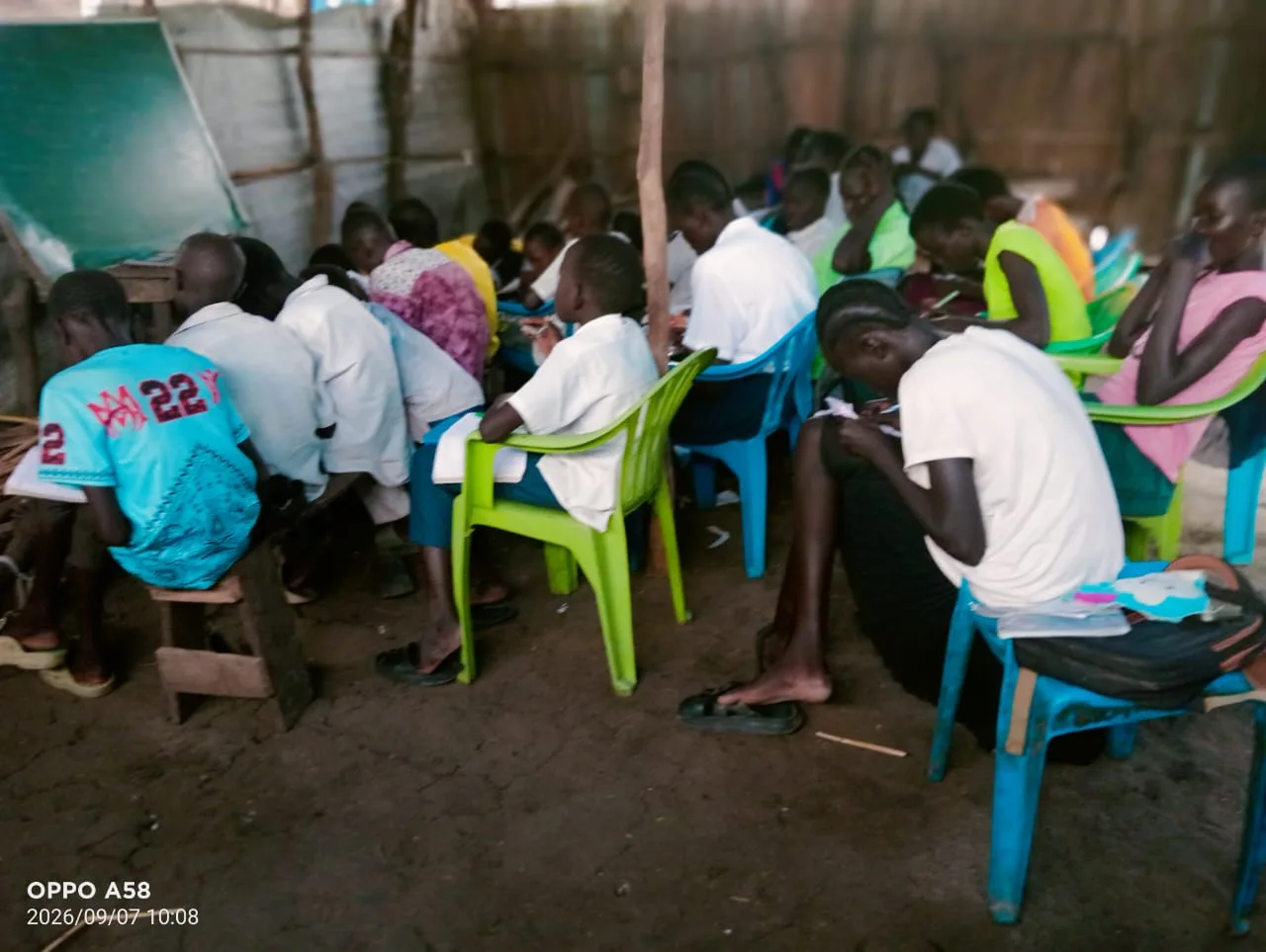
Teachers at schools with fewer resources often get really creative with games because they have to be. They use what they have and adapt games to fit their situation. That’s where real teaching happens.
If you’re trying to create these kinds of engaging, supportive learning spaces and want to connect with an organization that’s doing that work every day, learn more about how The Maale Foundation partners with teachers and communities to build classrooms where students thrive.
Making Games Work Across Different Subjects
The magic of games is that they’re not just for one subject. You can use the same game structure and swap the content.
Use Four Corners for reading comprehension (which character would you root for?), math (which answer is correct?), or history (which side would you choose?). Use Charades for science concepts, spelling words, or book characters. Trashketball works for any question you can ask aloud.
This flexibility means you can use games every single week without repeating the same one. You keep kids engaged because the game is familiar but the content is always new.
Building Student Buy-In

Some students worry that games are a waste of time or that they’ll be embarrassed. Talk about why you’re playing. Tell them: “We’re playing this game so you get more practice with fractions without feeling like you’re sitting and doing math problems.”
When students understand that a game is a learning tool, not a distraction, they take it seriously. And when they see that everyone participates (including you, sometimes), they relax and join in.
Frequently Asked Questions
Do educational classroom games actually help students learn, or are they just fun?
They do both. Games increase participation because students feel safer taking risks in a game than raising their hand with a wrong answer in a regular lesson. That practice is how learning happens. Plus, games help students remember what they learn because they’re engaged and having fun, not just passively listening.
What if my class is too chaotic for games?
Start small and slow. Pick one quiet game like Sparkle and play it for 3 minutes. Build the routine so students know what to expect. As they get comfortable with that game, try adding another one. You’re not trying to turn your class into a party. You’re building structure around games so they actually work.
How often should I use games in my classroom?
Once or twice a week is a good rhythm for most classrooms. You want games to feel special and motivating, not like something you do instead of real teaching. Games work best as a review tool or a way to practice new content after you’ve introduced it.
Can I use these games with remote or hybrid learning?
Some games work better online than others. Whiteboard-based games and games where everyone answers at once (like Four Corners adapted to “click your answer”) work well. Games that need physical movement or real-time tossing are harder remotely. Stick with games that let students participate from their screens.