Classroom Building Projects in Juba: How to Make Real Impact
When you think about building a classroom in a rural Juba community, you’re not just constructing walls and a roof. You’re creating a space where vulnerable children can learn, grow, and imagine a better future. That’s exactly what classroom building projects in Juba communities do, and if you’re looking to make a tangible difference in South Sudan’s education landscape, understanding how these projects work is your first step.
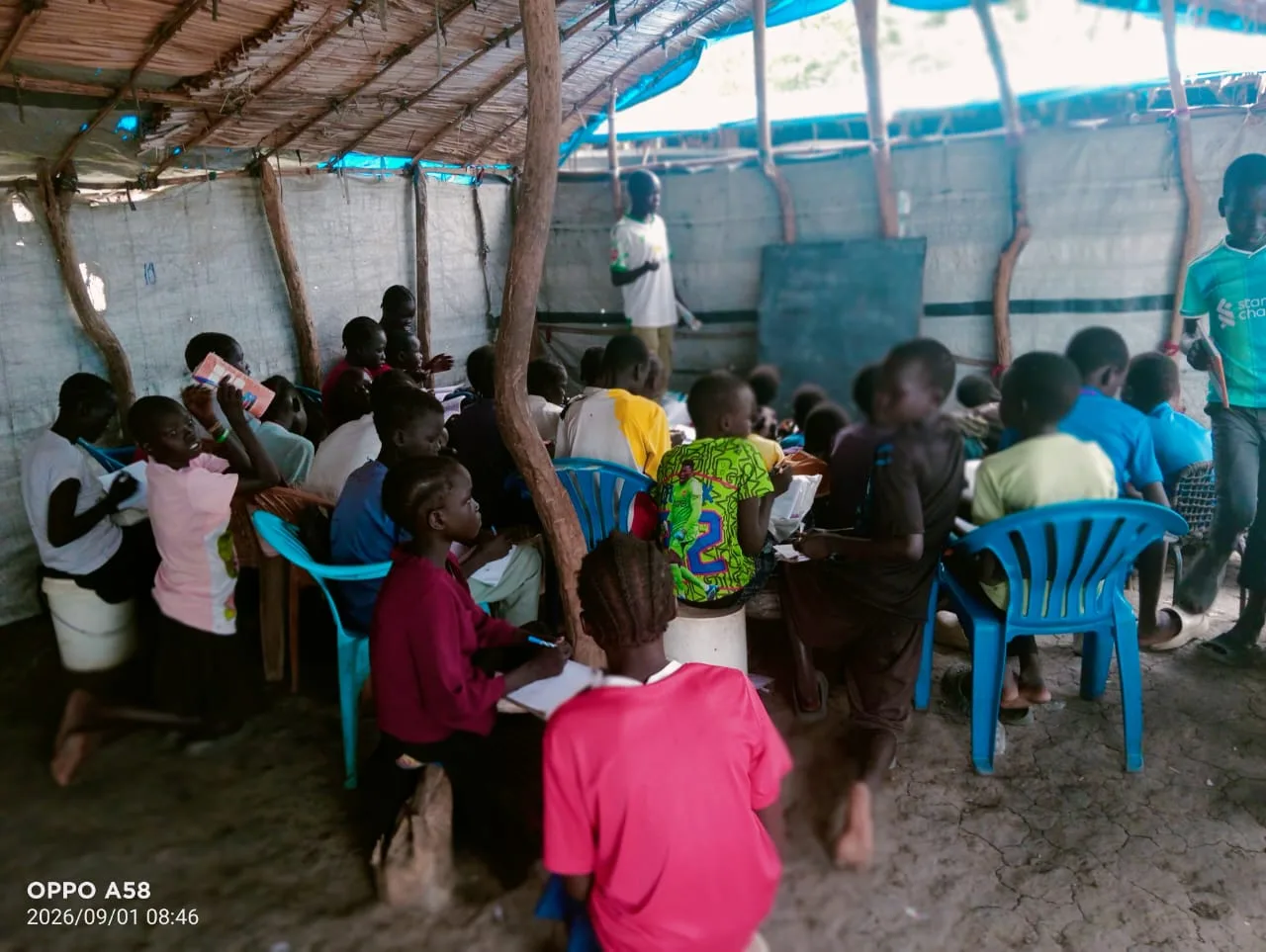
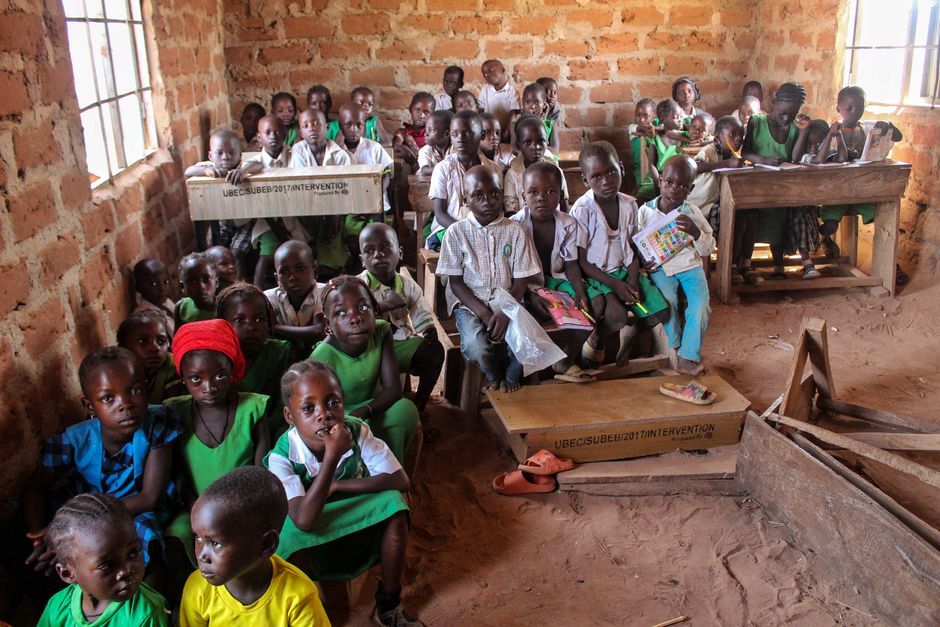
The reality is simple: many children in communities near and around Juba have no dedicated learning space. They sit under trees or in cramped, unsafe structures. A classroom building project changes that overnight. But getting it done right requires knowing what actually works, who’s doing it well, and how you can plug in.
The Maale Foundation works directly with local communities across South Sudan to build kindergarten and primary school classrooms that become anchors for educational transformation. Let’s break down what makes these projects successful and how you can support them.
Related: Best Classroom Construction Projects in South Sudan: A Proven Model
Related: Donate Classroom Supplies to South Sudan: A Real Impact Guide
What Classroom Building Projects in Juba Communities Really Look Like
Classroom building projects here aren’t cookie-cutter efforts. They’re rooted in what local communities actually need and what they can sustain long-term.
The projects typically focus on constructing classrooms for kindergarten and early primary grades, because that’s where the foundation for learning gets laid. Construction uses locally-sourced materials like bricks, which keeps money flowing into the community economy and ensures the structures are appropriate for the local climate and environment.
But it’s not just about the building. Real classroom projects also include provision of textbooks and educational materials storage. You can have the best classroom in the world, but without books and learning tools, it becomes an empty shell. That’s why The Maale Foundation integrates educational materials alongside physical construction.
These projects sit in communities roughly 100 kilometers from Juba, including areas in the Nuba region where access to education has been severely limited. The distance from the capital makes it harder for government support to reach, which is why local implementation matters so much.
Why Local Community Leadership Drives Success
You might think a classroom building project is about bringing in outside contractors and money. It’s actually the opposite. The most effective projects put local NGOs and civil society organizations in the driver’s seat. They understand the community, they speak the language, they know what will work and what won’t.
Community engagement isn’t just nice to have. It’s essential. When local people help plan, build, and maintain classrooms, they own the outcome. Teachers are more accountable. Parents stay involved. The classroom becomes a genuine community asset instead of something imposed from outside.
This approach also creates jobs locally and builds local capacity. Construction skills, project management, educational leadership – these capabilities stick around long after the ribbon-cutting ceremony. The community becomes stronger and more capable of solving problems on its own.
The Role of International Volunteers and Partnerships
Classroom building programs in Juba communities often bring international volunteers into the work. This partnership model serves multiple purposes: it brings hands, energy, and resources, but more importantly, it creates connection and mutual learning between people across borders.
If you’re thinking about volunteering, you’re not just hammering nails. You’re supporting local construction teams, learning how education actually works in a South Sudanese context, and carrying that experience home with you. That ripple effect matters.
The funding mechanisms behind these projects are formal and structured. They’re not haphazard or ad hoc. They’re designed as high-impact initiatives that can be completed in realistic timeframes, with clear accountability for every dollar and every brick.
What You Need to Know Before Supporting a Project
If you’re ready to support classroom building in Juba communities, here’s what matters:
- Sustainability comes first. The best projects think beyond opening day. Who maintains the building? How do teachers stay trained? What happens when materials run out? Answers to these questions separate real projects from performative ones.
- Community voices lead. Look for organizations where local people make decisions, not where outside organizations dictate what gets built where. When communities choose their priorities, they invest in success.
- Integrated support works. A classroom is only as good as the teaching inside it. Projects that bundle construction with teacher development, materials provision, and curriculum support see better learning outcomes.
- Transparency matters. You should know where your money goes, what gets built, when it opens, and how it’s being used. Reputable organizations make this visible.
When you partner with The Maale Foundation, you’re supporting an organization deeply committed to these principles. The Foundation educates, empowers, and transforms the lives of vulnerable children and youth in South Sudan through education that brings hope and opportunity. It builds classrooms, develops teachers, offers scholarships, and creates safe learning spaces, working hand-in-hand with local communities every step of the way.
Making Your Impact Concrete and Measurable
Here’s what supporting classroom building projects actually means for vulnerable children:
- A safe, dedicated space to learn instead of sitting in the open or in unsafe structures
- Access to textbooks and learning materials that make education possible
- Proximity to school, which means more kids actually show up and stay enrolled
- A gathering place for the community that strengthens social bonds and collective ownership
- Jobs and economic activity during construction and ongoing maintenance
- A symbol of hope that education is possible, even in remote areas
When you support these projects, you’re not just giving money. You’re affirming to a community that their children matter, that education is valued, and that their future is worth investing in right now.
If you want to see exactly how The Maale Foundation approaches classroom building and community partnership, reach out directly. Ask how your support gets deployed. Ask about the communities being served. Ask what success looks like. These are the questions that separate transformational work from well-intentioned gestures.
Getting Started with Your Support Today
You don’t need to wait for the perfect moment or have all the answers before getting involved. Classroom building projects need different kinds of support: financial contributions, volunteer time, technical skills, or simply spreading the word about why this work matters.
The Maale Foundation can tell you exactly where needs are greatest right now and where your specific contribution will have the most impact. Whether you’re an individual donor, a corporate partner, or someone with skills to contribute, there’s a way for you to participate in creating safe, equipped learning spaces for vulnerable children in Juba communities.
How long does it typically take to build a classroom?
Timeline depends on the specific scope, community context, and available resources. Most projects are designed as short-term, high-impact initiatives that balance urgency with quality. The Foundation can walk you through realistic timelines for the specific communities you’re interested in supporting.
What happens after the classroom is built?
Sustainable projects include ongoing support for teacher training, educational materials replenishment, and community engagement. The focus is on creating a functioning learning environment that serves students long-term, not just a building that opens and then fades.
Can I volunteer on a classroom building project?
Yes. Classroom building programs in Juba communities welcome international volunteers to work alongside local construction teams and community members. This is a chance to contribute directly while learning how education transformation happens in practice.
How do I know my contribution is being used well?
Reputable organizations like The Maale Foundation maintain transparent reporting about where funds go, what gets built, and how facilities are being used. Ask directly about their accountability practices and what documentation is available. This is a fair question and any serious organization will welcome it.