Donate Classroom Supplies to South Sudan: A Real Impact Guide
If you’re looking to make a direct difference in a child’s life, donating classroom supplies to South Sudan is one of the most tangible ways to do it. When you send pencils, notebooks, chalkboards, or learning materials across the ocean, you’re not just shipping stuff. You’re opening doors for kids who otherwise wouldn’t have access to basic tools for learning.
Here’s the thing: many children in South Sudan show up to school ready to learn, but there’s literally nothing there. No pencils. No paper. No desks. That gap between desire and resources can be the difference between a child who stays in school and one who drops out. Your donation of classroom supplies directly addresses that.
Related: Best Classroom Construction Projects in South Sudan: A Proven Model
Related: Community Based Education Initiatives in South Sudan: A Guide
Related: Teacher Shortage in South Sudan: 7 Real Solutions That Work
Why Classroom Supply Donations Matter in South Sudan
Education is transformative. It gives vulnerable children a path out of poverty and toward opportunity. But education only works when kids actually have access to the materials they need to learn.
When you donate classroom supplies to South Sudan, you’re investing in several things at once:
- Students can actually write, read, and take notes instead of just listening.
- Teachers have the tools to create engaging lessons and track student progress.
- Schools become safer, more organized learning environments instead of empty spaces.
- Children feel valued and see that people care about their education.
The ripple effect is real. A child who learns to read opens up their entire future. They can pursue jobs that require literacy. They can help their families make better decisions. They become leaders in their communities.
What Classroom Supplies Make the Biggest Difference?
Not all donated items are created equal in a resource-constrained setting. Focus on supplies that are durable, widely needed, and directly support learning.
Writing and Learning Basics: Pencils, erasers, and notebooks are foundational. Without these, a child can’t do homework or take notes. Ballpoint pens and exercise books should be bulk items in your donation.
Teaching Tools: Chalkboards, markers, and chalk aren’t flashy, but teachers desperately need them. A single chalkboard can serve an entire classroom of 80+ kids. Markers and chalk make that board usable day after day.
Reading Materials: Age-appropriate books in English or local languages help build literacy skills. Workbooks designed for specific grade levels keep lessons structured and progressive.
Math and Science Supplies: Basic geometry sets, rulers, and educational posters help teachers explain concepts visually. Simple science materials inspire curiosity.
Organizational Supplies: Folders, binders, and storage boxes help keep classrooms organized so materials don’t get lost or damaged.
Skip items that don’t travel well or won’t hold up (like markers that dry out during shipping) and avoid anything that’s culturally inappropriate or won’t be used. The Maale Foundation works directly with schools in South Sudan, so they know exactly what supplies will actually get used and help students thrive.
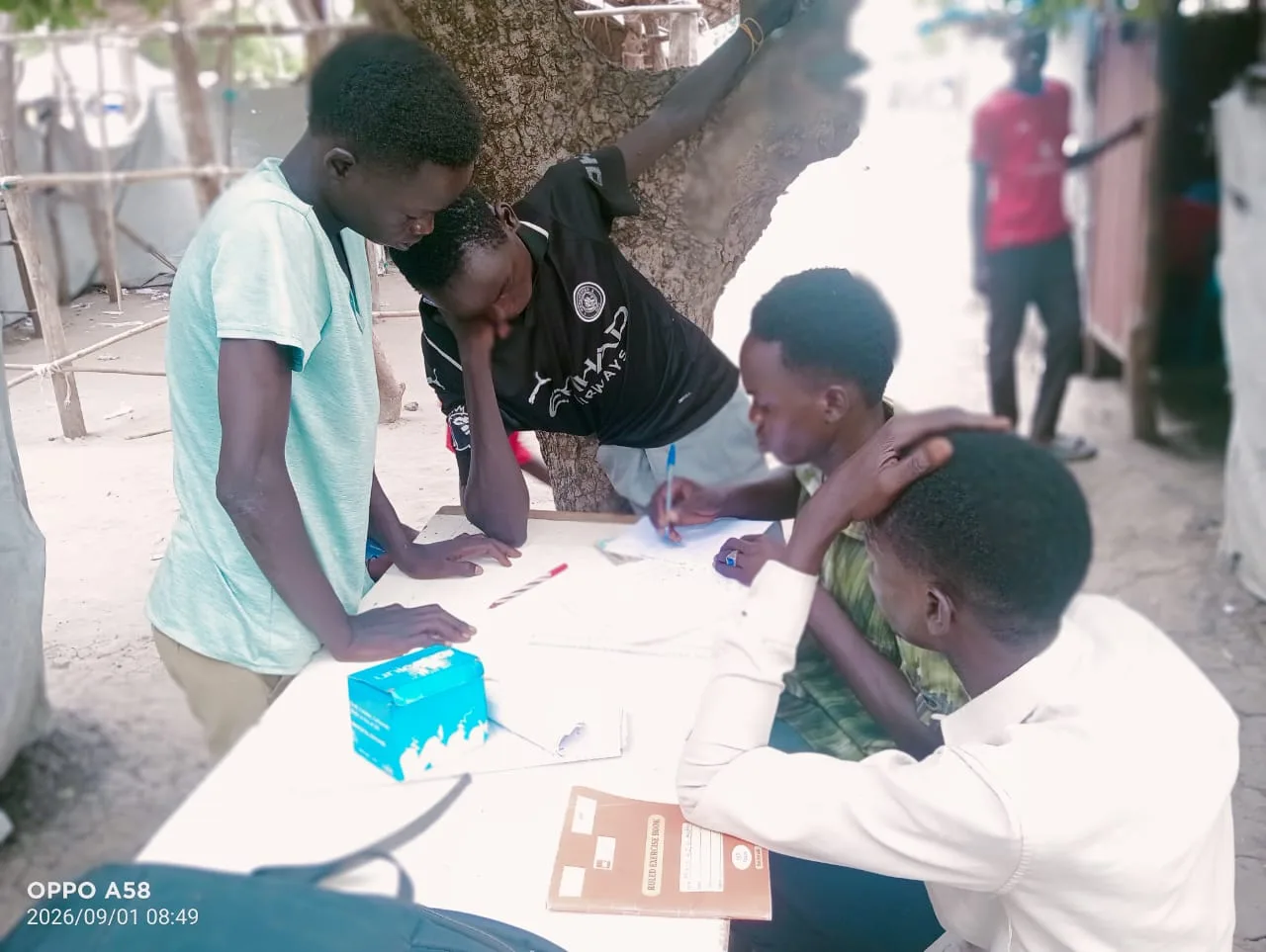
How to Start Donating Classroom Supplies
You have several paths depending on what fits your situation best.
Donate Money to an Organization That Handles Distribution: This is often the smartest route. Shipping physical goods to South Sudan is expensive, complicated, and risky. When you donate funds instead, a trusted organization can buy supplies locally or import them efficiently, and they know exactly what schools need right now.
Organizations that focus on South Sudan education can stretch your dollar further because they have relationships with suppliers and understand local pricing. They also know which schools are most desperate and where supplies will create the most impact.
Organize a Supply Drive at Work or School: Get your community involved. Have coworkers or classmates bring in pencils, notebooks, and other supplies. Then donate the collected items as a group. This builds awareness and gets more people connected to the mission.
Partner with a School or Community Group: Some schools collect supplies and send them overseas through their own channels. Ask your child’s school or a local organization if they have a South Sudan supply drive program you can join.
Connect with a Nonprofit That Has Direct Relationships: The Maale Foundation builds classrooms and partners directly with communities in South Sudan. They understand the real needs on the ground and can tell you exactly how your donation of classroom supplies transforms an actual school.
Making Sure Your Donation Actually Gets Used
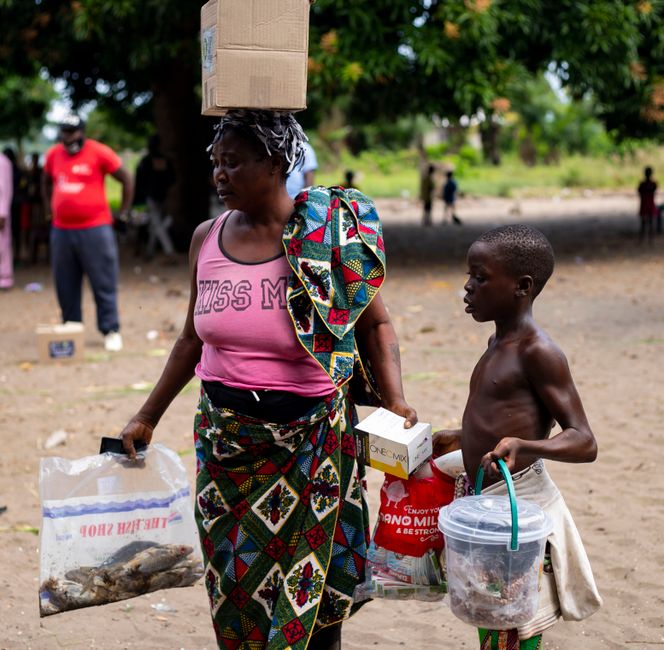
Before you donate, ask yourself (and ask the organization you’re donating through): Will these supplies actually reach students? Or will they sit in a warehouse or get lost?
Accountability matters. You want to donate to an organization that:
- Works directly with schools and communities (not just sending stuff blindly).
- Tracks what happens to donations and can report back on impact.
- Understands the local context and knows what will and won’t work.
- Has relationships with teachers and school leaders on the ground.
- Focuses specifically on education so it’s their core mission, not a side project.
When an organization has real roots in a place, supplies get delivered thoughtfully. Teachers are consulted about what they actually need. Communities are involved in the process. Donations don’t just appear randomly—they’re part of a bigger plan to strengthen education in that region.
Beyond Supplies: What Else South Sudan Schools Need
Classroom supplies are crucial, but they’re part of a bigger picture. Students also need reliable access to clean water, nutritious food, and safe learning spaces. Many organizations addressing education in South Sudan take a holistic approach because a hungry or sick child can’t concentrate on learning no matter how many pencils are in the classroom.
Your donation might fund supplies, yes. But it might also support trained teachers, school buildings, or child protection initiatives. All of these work together to create an environment where vulnerable children can actually thrive.
Related: Classroom Building Projects in Juba: How to Make Real Impact
If you want to donate classroom supplies to South Sudan with confidence that your money is making real change, learn more about how The Maale Foundation approaches education in South Sudan and what your donation specifically supports.
Common Questions About Donating Classroom Supplies to South Sudan
Can I donate used school supplies?
It depends on the organization and the condition. Used supplies can work if they’re still functional (pencils that write, notebooks without torn pages, books without missing pages). Some organizations accept gently used items; others prefer new supplies because they’re more durable after shipping. Always ask the organization first before collecting used items.
What’s the best time of year to donate classroom supplies?
Right before the school year starts is usually ideal, but schools in South Sudan operate year-round and shortages exist constantly. Donate when you’re ready to give. A trusted organization can store supplies and distribute them strategically throughout the year as needs arise.
How do I know my donation is tax-deductible?
Only donate to organizations that are registered nonprofits in your country (in the US, look for 501(c)(3) status). These organizations can provide tax receipts. Always ask for documentation and keep your donation records.
Is it better to donate money or physical supplies?
Donating money is almost always more efficient. Shipping costs are high, logistics are complicated, and local organizations can buy supplies for less and know exactly what’s needed. That said, local supply drives can build community awareness. Ask the organization which approach helps them most right now.