Community Based Education Initiatives in South Sudan: A Guide
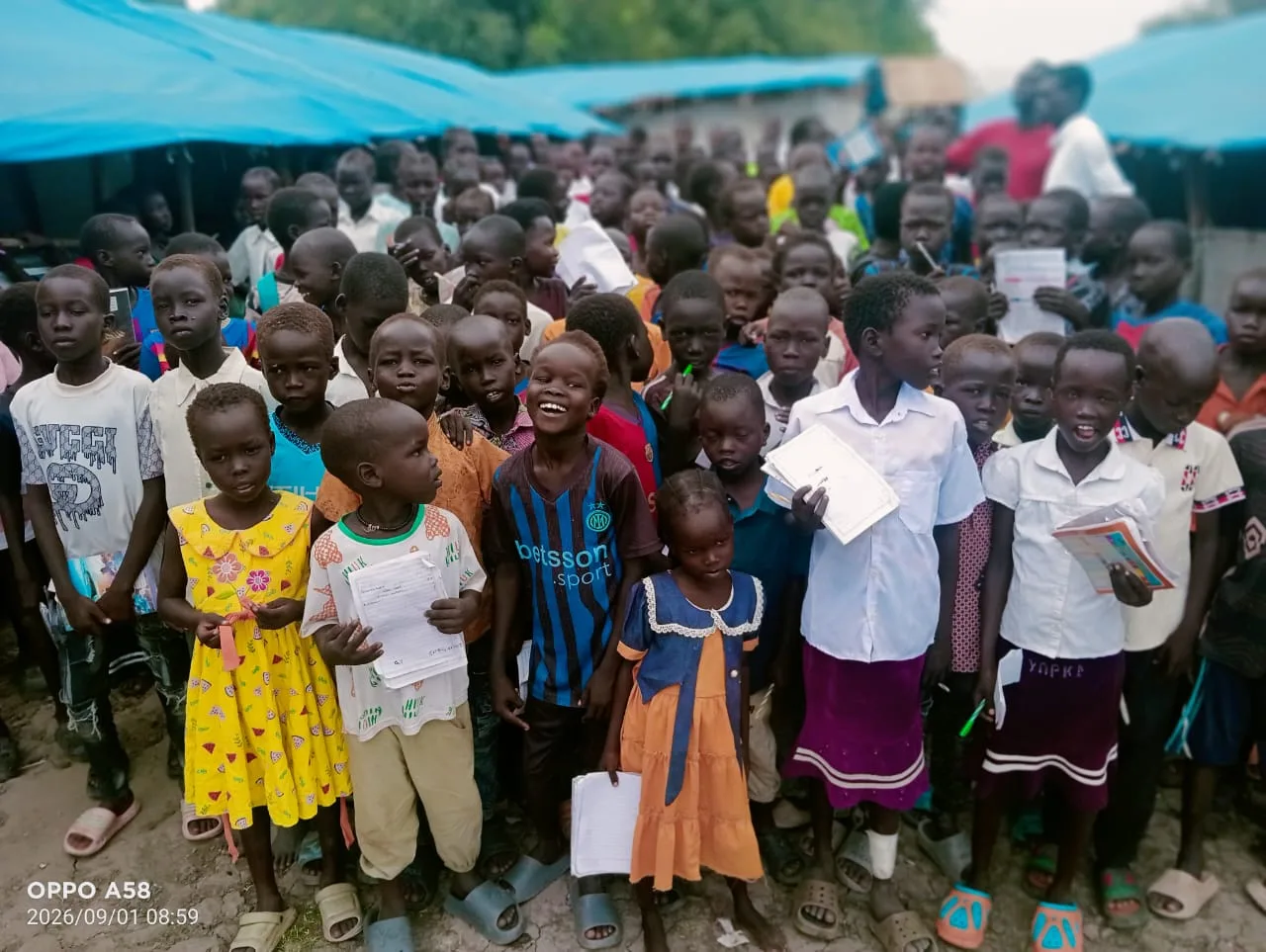
Community-based education initiatives in South Sudan are filling a massive gap. In rural and remote areas where traditional schools aren’t an option, local communities are stepping up to create their own learning spaces. These aren’t just temporary fixes either—they’re sustainable, locally-led programs that give vulnerable children actual access to quality education.
If you’re wondering how education actually gets to kids in underserved regions, the answer is often right in the community itself. Let’s dig into how this works and why it matters so much.
What Are Community-Based Education Initiatives?
Community-based education initiatives are schools and learning programs built and run by local communities themselves. They exist because traditional schools are too far away, too expensive, or simply don’t exist in certain areas.
These initiatives typically start with community members identifying a need. A group of parents, teachers, or local leaders recognize that kids aren’t getting to school. So they work together to establish a classroom, recruit teachers, and create a safe learning environment right in their own area.
The model is straightforward but powerful: communities know what their kids need better than anyone else. They understand local languages, cultural contexts, and what barriers are actually preventing children from learning. By centering community involvement from day one, these initiatives become sustainable.
How Community Participation Drives Success
Community participation isn’t just a nice-to-have in education initiatives. It’s the foundation that makes everything work.
When parents, teachers, and community leaders are involved in decisions about their schools, several things happen. First, they take ownership. These aren’t programs handed down from outsiders—they’re built by the community, for the community. That ownership means people show up. They stay committed even when resources are tight.
Second, community involvement ensures the schools actually meet local needs. A community knows if their kids need early morning or evening classes because of farm work. They know which subjects matter most for their economy. They know which teachers are trusted and respected. Building on this local knowledge makes education relevant and effective.
Third, when communities are part of the solution, they’re invested in long-term success. They maintain the school buildings, they advocate for more resources, and they make sure their kids actually keep coming. This kind of participation is what separates initiatives that fade away from ones that create lasting change.
Building Capacity Within Communities
For community-based education to truly thrive, the people running it need support. That’s where capacity building comes in.
Capacity building means giving communities the tools, training, and resources they need to run effective schools. This might include teacher training programs so community educators have the skills to teach reading, math, and other subjects well. It could mean helping community leaders understand how to manage a school budget. It might involve training on student assessment so teachers can track progress and know where kids need extra help.
Grants and funding specifically designed for education capacity building help organizations supporting these initiatives strengthen their work. When communities get proper training and resources, the quality of education jumps significantly. Kids learn more. Teachers feel confident and supported. The whole system becomes more resilient.
Capacity building isn’t something that happens once and then stops. It’s ongoing. As communities grow stronger, they can take on new challenges and help other communities do the same.
Building and Maintaining School Infrastructure

You can’t have a school without a classroom. Community-based education initiatives start with the practical work of building actual learning spaces.
Related: Education Nonprofits Working in South Sudan: A Guide
Related: Provide Textbooks to South Sudan Schools: A Complete Guide
Related: Donate Classroom Supplies to South Sudan: A Real Impact Guide
In many remote areas of South Sudan, this means constructing simple but functional classrooms. These might be basic structures, but they create safe, dedicated spaces where learning can happen. Having a real classroom signals to families that education is serious and accessible. It also protects kids from weather and other hazards.
But building the classroom is just step one. These initiatives also focus on maintaining them. Communities develop systems to keep buildings in good repair, ensure proper supplies are available, and make the space welcoming for students. This ongoing maintenance is crucial—a neglected building sends the message that education isn’t valued.
The Maale Foundation partners with local communities to make this happen, working directly to build classrooms and support the infrastructure that lets learning actually occur.
Partnerships and Coalition Building
Individual communities are strong, but communities working together are even stronger. That’s why partnerships and coalitions are such a big part of the picture.
When multiple communities, organizations, and educational leaders work as a coalition, they share knowledge and resources. They learn from each other’s successes and challenges. They can advocate together for policy changes and funding. A single community school might struggle for resources, but a coalition of schools can make a real impact.
These partnerships also mean communities don’t have to figure everything out from scratch. If one community has already developed a successful teacher training approach, others can learn from it. If another community solved a problem with attendance, that solution can be shared. This kind of collaboration speeds up progress for everyone.
Coalitions also make it easier to track progress across multiple initiatives. When communities are connected and sharing information, everyone gets better data about what’s working and what needs adjustment. This accountability helps ensure education quality stays high.
Alternative Education Pathways in Remote Areas
Not every kid can attend a traditional school. Some are too far away. Some have responsibilities at home that make set schedules impossible. Others have missed years of school and feel embarrassed to sit in a classroom with younger students.
Community-based education initiatives solve this by offering flexible alternatives. Evening classes let kids who work during the day still get an education. Flexible schedules accommodate seasonal work or family responsibilities. Multi-age learning spaces mean a 15-year-old and a 12-year-old can learn together without shame.
These alternatives aren’t lesser education. They’re smart education designed for real life. Kids in remote areas still learn to read, write, and do math. They still develop critical thinking skills. They still gain opportunities they wouldn’t have without school access.
Direct Service Delivery Plus Systems Support

The best community-based education initiatives work on two levels at once: direct service and systemic support.
Direct service means actually establishing and running schools. This is the boots-on-the-ground work of creating classrooms, recruiting teachers, and helping kids learn.
But systemic support is equally important. This means working with government education departments, helping develop national-level strategies, and building the infrastructure that supports education across entire regions. When you strengthen the broader education system, individual communities benefit. Policies become more supportive. Training programs improve. Funding channels become clearer.
Organizations like The Maale Foundation work at both levels—directly supporting schools while also building the systems that make sustainable education possible.
Tracking Progress and Measuring Impact
How do you know if community-based education initiatives actually work? You need progress tracking mechanisms.
This means setting clear educational objectives and measuring whether you’re meeting them. Are more kids enrolling? Are they attending regularly? Are they learning to read at grade level? Are they finishing school? These questions require real data.
Communities and organizations working on these initiatives develop systems to track progress. This might mean regular assessments, attendance records, or surveys with families. The data tells you what’s working and where you need to adjust.
Transparency about results matters too. When communities see that their school is making progress, they stay committed. When funders and supporters see real outcomes, they feel confident supporting the work. Progress tracking keeps everyone accountable and focused on what actually matters: kids learning and thriving.
Funding and Support Opportunities
Community-based education initiatives need funding. Grant cycles specifically designed for organizations working on community education exist to support this work.
These funding opportunities recognize that sustainable education solutions come from communities themselves. Grants might support building a classroom, training teachers, or developing a community school coalition. The best grants don’t just give money—they also provide technical support and help organizations build capacity over time.
If you’re interested in supporting community-based education in South Sudan, there are meaningful ways to get involved. You can support organizations actively building schools and training teachers. You can advocate for education policies that empower communities. You can share information about why this work matters.
Organizations doing this work need more than one-time donations. They need sustained support to build real, lasting change. When you partner with efforts that prioritize community involvement and transparency, your support creates ripple effects. One school leads to more schools. Better teachers lead to better learning. More kids in school changes entire communities.
Why Community-Based Education Matters Right Now
South Sudan faces serious challenges in getting kids to school. Geography, poverty, and limited traditional infrastructure create barriers that policy alone can’t fix. Community-based education addresses these barriers directly.
By starting with community participation, these initiatives build on existing strengths instead of fighting against them. By developing local capacity, they create jobs and leadership opportunities. By establishing schools locally, they eliminate the distance barrier that keeps so many kids out of school.
The impact is transformational. Kids who never thought they’d go to school suddenly have access. Communities develop stronger leadership. Education becomes something communities control and value, rather than something distant and out of reach.
If you want to understand how real education access happens in underserved regions, community-based initiatives show you the answer. They work because they trust communities to lead.
Getting Involved in Community Education
Whether you’re an educator, a community leader, or someone who cares about education access, there are ways to support this work.
You can learn more about the organizations actively building community-based education programs. You can support them financially or by volunteering expertise. You can share information about why this approach works. You can advocate for policies that give communities the space and resources to run their own schools.
Organizations like The Maale Foundation are working directly with South Sudanese communities to make education real. They build classrooms, develop teachers, offer scholarships, and create safe learning spaces—all in partnership with the communities they serve. If you’re looking to support education transformation, that partnership-based approach makes a real difference.
What makes community-based education different from traditional schools?
Community-based education is led and run by local communities rather than distant governments or organizations. It’s designed around community needs and schedules, which makes it accessible to kids who can’t attend traditional schools. It also tends to be more affordable and culturally relevant because communities shape the approach.
How do communities fund their own schools?
Communities use a mix of strategies. They might apply for grants from organizations supporting education. They might pool resources and ask families to contribute what they can. They often rely on support from nonprofits and partners who believe in their work. It’s usually a combination rather than any single funding source.
Can community-based education provide the same quality as formal schools?
Quality depends on the resources and support available. Community-based schools that receive proper teacher training, adequate materials, and ongoing support can absolutely deliver quality education. Kids learn the same fundamental skills. The real difference is that community schools meet kids where they are instead of forcing kids to fit a distant system.
How long does it take to establish a community school?
It varies depending on community readiness, available resources, and local support. Some communities can establish a functioning school within several months if they have basic infrastructure and teacher support. Others take longer as they build capacity and secure resources. The important part is that the foundation is built to last, not just a quick fix.