Education Crisis South Sudan Children: What’s Happening & How to Help
Right now, the education crisis in South Sudan is devastating. Millions of school-aged children have no access to classrooms, teachers, or learning materials. Conflict has forced thousands of schools to shut down, leaving entire communities without any way to educate their kids.
This isn’t just a numbers problem. When children can’t go to school, their whole future changes. They lose the chance to learn, build skills, and imagine a better life for themselves. And they become more vulnerable to abuse, trafficking, and exploitation on the streets.
If you want to understand what’s really happening to kids in South Sudan right now, and what you can actually do about it, keep reading.
What’s Causing the Education Crisis in South Sudan?
The root cause is clear: prolonged conflict has shattered the country’s ability to run schools.
Related: Best Way to Sponsor a Child’s Education in South Sudan
Related: Best Volunteer Opportunities in Education Nonprofits: South Sudan 2026
Related: Education Nonprofits Working in South Sudan: A Guide
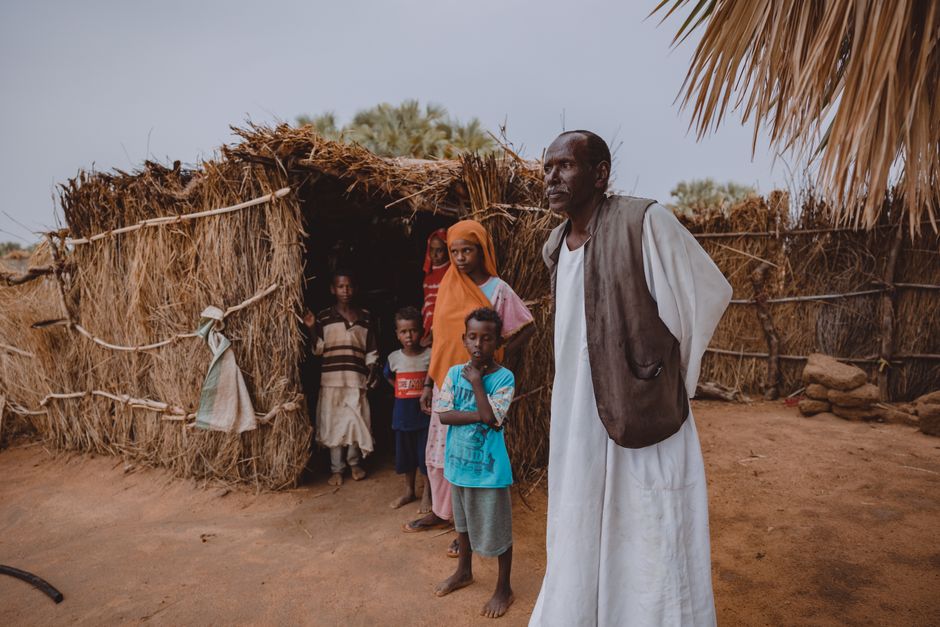
Years of fighting have destroyed school buildings, displaced families from their homes, and forced teachers to flee. Entire regions have lost their education infrastructure. Parents can’t send their kids to school because there is no school to send them to.
Displacement is one of the biggest drivers. When families are forced to move to escape violence, children stop attending school. Many end up in refugee camps or informal settlements where there are no learning spaces at all.
The system itself has collapsed. There’s no money for teachers’ salaries, no resources to rebuild classrooms, and no safe spaces where learning can happen. Communities are left trying to educate children with almost nothing.
How Many Children Are Out of School?
The numbers are staggering. Millions of South Sudanese children are currently unable to access formal education. In some regions, the majority of school-aged kids have never stepped foot in a classroom.
Related: Education Programs for Refugee Children in South Sudan
Related: Quality Education Access in South Sudan Communities: What Works
This creates a massive gap between those who can access some kind of education and those who have no options at all. In conflict-affected areas, the situation is worst. Safe, quality education has become a luxury most families simply cannot reach.
The crisis cuts across gender lines, though barriers look different for boys and girls. Both are missing out on learning, but the path to getting them back in school requires understanding how the conflict affects each of them differently.
Why This Crisis Matters Beyond School Buildings
When you take education away from children, you’re not just delaying their learning. You’re putting them in immediate danger.
Out-of-school children are at higher risk of abuse, exploitation, and trafficking. They have fewer protections and fewer people watching out for them. Without school, they lose the safe space where they should be spending their days.
There’s also a long-term cost to South Sudan itself. A generation of children growing up without education means the country loses the people who could rebuild it. Recovery from conflict requires educated people who can lead, work, and create change. When millions of kids miss out on schooling, the whole nation’s future is put at risk.
This is why rebuilding schools and getting children back to learning isn’t just about individual kids. It’s about national recovery and stability.
What Kind of Support Do These Children Need?
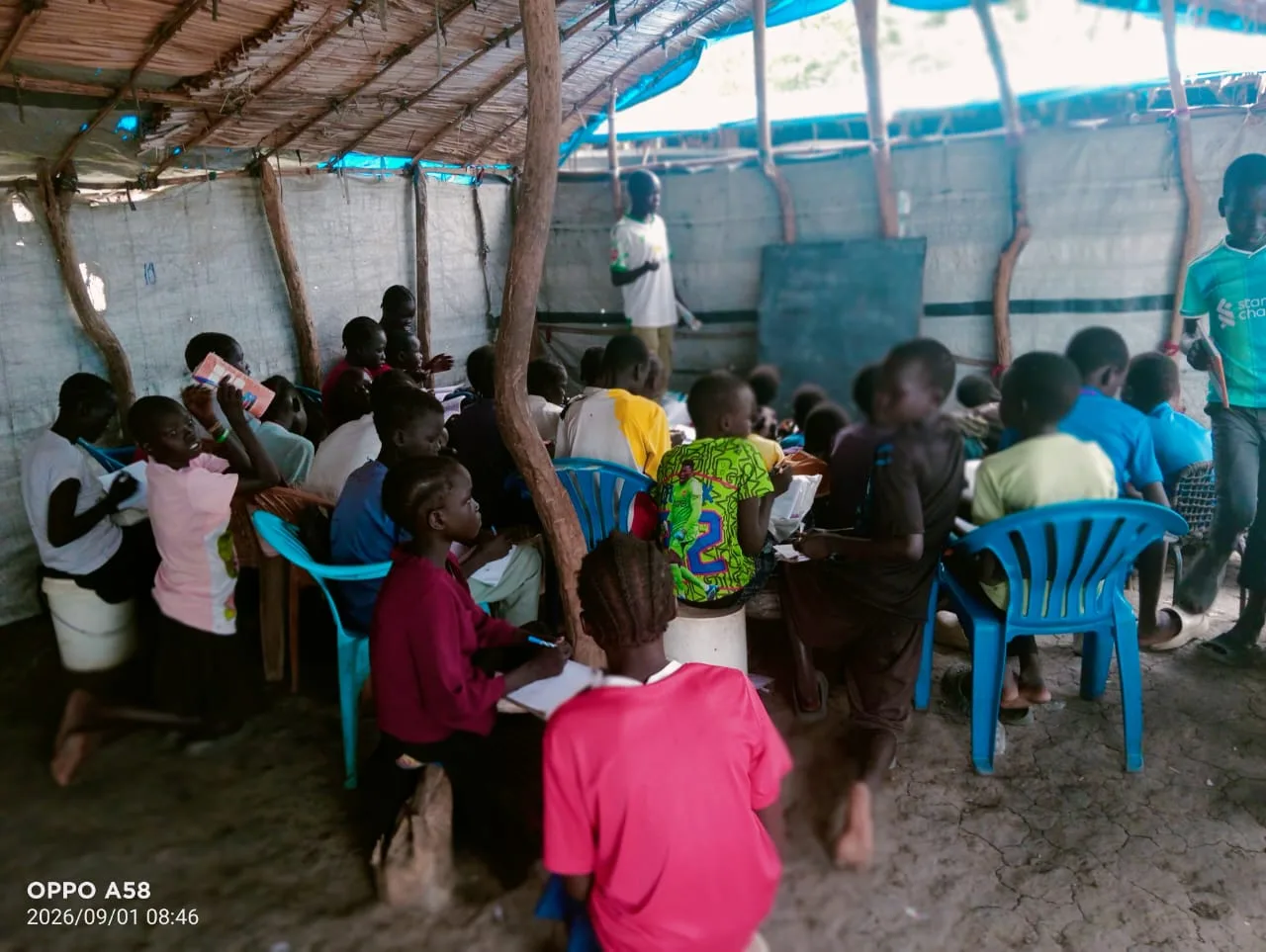
Getting kids back to school means more than just reopening buildings. It takes a comprehensive approach.
Rebuilding physical spaces. Schools need classrooms, desks, and basic learning materials. Many communities have nothing to start with.
Training and supporting teachers. Teachers who fled during conflict need to return, and new teachers need training. They need consistent pay so they stay committed to their students.
Scholarships and support for vulnerable kids. Some children need help affording school supplies, uniforms, or transportation. Without financial support, they simply can’t attend.
Creating safe learning environments. Schools need to be places where children actually feel safe coming back. This means working with communities to ensure protection and trust.
Partnering with local communities. Real change happens when organizations work directly with families and local leaders who understand what kids need most. Top-down solutions don’t work in South Sudan. Listening to communities does.
The Maale Foundation focuses on exactly this kind of work: building classrooms, developing teachers, offering scholarships, and creating safe learning spaces by partnering directly with communities in South Sudan.
How to Help Address the Education Crisis in South Sudan
Support organizations doing direct work on the ground. Not all nonprofits are equal. Look for organizations that have real roots in South Sudan, work with local communities, and can show you exactly how they’re rebuilding education. They should be transparent about where money goes and what impact it has.
Related: Best Organizations Supporting Girls’ Education in South Sudan 2026
Understand what education actually looks like there. You can’t solve a problem you don’t understand. Learn about the specific barriers kids face, the role teachers play, and what communities have already tried. That knowledge helps you support solutions that actually work.
Think beyond charity. One-time donations matter, but sustainable change comes from consistent support. Whether you give monthly, sponsor a classroom rebuild, or help fund teacher training, long-term commitment creates real transformation.
Spread awareness. The education crisis in South Sudan doesn’t get as much attention as it deserves. When you talk about it, you help more people understand why it matters and motivate them to take action too.
Get involved directly if you can. Some organizations need volunteers, advisors, or people who can help tell these stories. If you have skills, time, or connections, there are ways to contribute beyond money.
If you’re ready to act, The Maale Foundation is working to transform education for South Sudanese children right now through hands-on classroom building, teacher development, and scholarships that change lives.
Related: Transforming Lives Through Education in South Sudan
Why This Crisis Requires Urgent Action
Every year that passes, more children fall further behind. A kid who misses five years of school can’t simply catch up when schools reopen. The damage is real and lasting.
At the same time, education is the most powerful tool for recovery. When children learn, they imagine different futures. They gain the skills to rebuild their communities. They become agents of change instead of victims of circumstance.
The education crisis in South Sudan is massive, but it’s not unsolvable. It requires sustained commitment, resources, and partnership with communities who know their children best. That’s where organizations focused on direct impact come in.
The time to act is now. Every child who gets back into a classroom, every teacher who gets trained and supported, every safe learning space that’s built, creates a ripple of hope that extends far beyond one child’s future.
People Also Ask

How many schools have closed in South Sudan due to conflict?
Thousands of schools have been forced to shut down across the country. In conflict-affected regions, the majority of learning spaces have been destroyed, damaged, or abandoned. Communities that once had schools nearby now have nothing.
What happens to children who don’t go to school in South Sudan?
Out-of-school children face serious risks. They’re more vulnerable to abuse, exploitation, trafficking, and child labor. Without school providing structure and protection, they’re often left to fend for themselves on the streets or in unstable family situations.
Can schools actually reopen in South Sudan while conflict continues?
Yes, but it’s challenging. Some communities have found ways to create safe learning spaces even in difficult circumstances. It requires working closely with local leaders, ensuring safety protocols, and building trust. Organizations like The Maale Foundation are doing this work right now, partnering with communities to reopen schools where kids can learn and be protected.
What’s the difference between emergency aid and long-term education support?
Emergency aid responds to immediate crisis, but education transformation takes sustained commitment. Building classrooms, training teachers, offering scholarships, and creating safe spaces requires ongoing investment. One-time help isn’t enough to reverse years of educational collapse.