Education Programs for Refugee Children in South Sudan
When you’re a refugee child in South Sudan, education isn’t just about learning to read. It’s about safety, stability, and a pathway out of crisis. If you’re looking to support vulnerable children or understand how education programs for refugee children in South Sudan actually work, you’re in the right place.
The reality is stark: millions of South Sudanese children have been displaced by conflict, and many have never sat in a classroom. But here’s the hopeful part: structured education programs are changing that. They’re not just opening doors to learning. They’re wrapping comprehensive support around every child so that education becomes the foundation for real transformation.
How Education Programs Actually Reach Refugee Children
You might think education for refugees is simply about finding a school building and enrolling kids. The truth is more thoughtful than that.
When refugee children enroll in education programs, they first go through learning level assessments. This matters because many have missed years of schooling, and placing them at the right level keeps them engaged instead of discouraged. From there, they enter safe and inclusive learning environments designed specifically to support their needs.
The best programs don’t stop at academics. They understand that a hungry child can’t concentrate. A sick child can’t attend class. A child without clean water can’t stay healthy enough to learn. That’s why The Maale Foundation and similar organizations build education programs that integrate healthcare, nutritional support, and access to clean water right into the school experience.
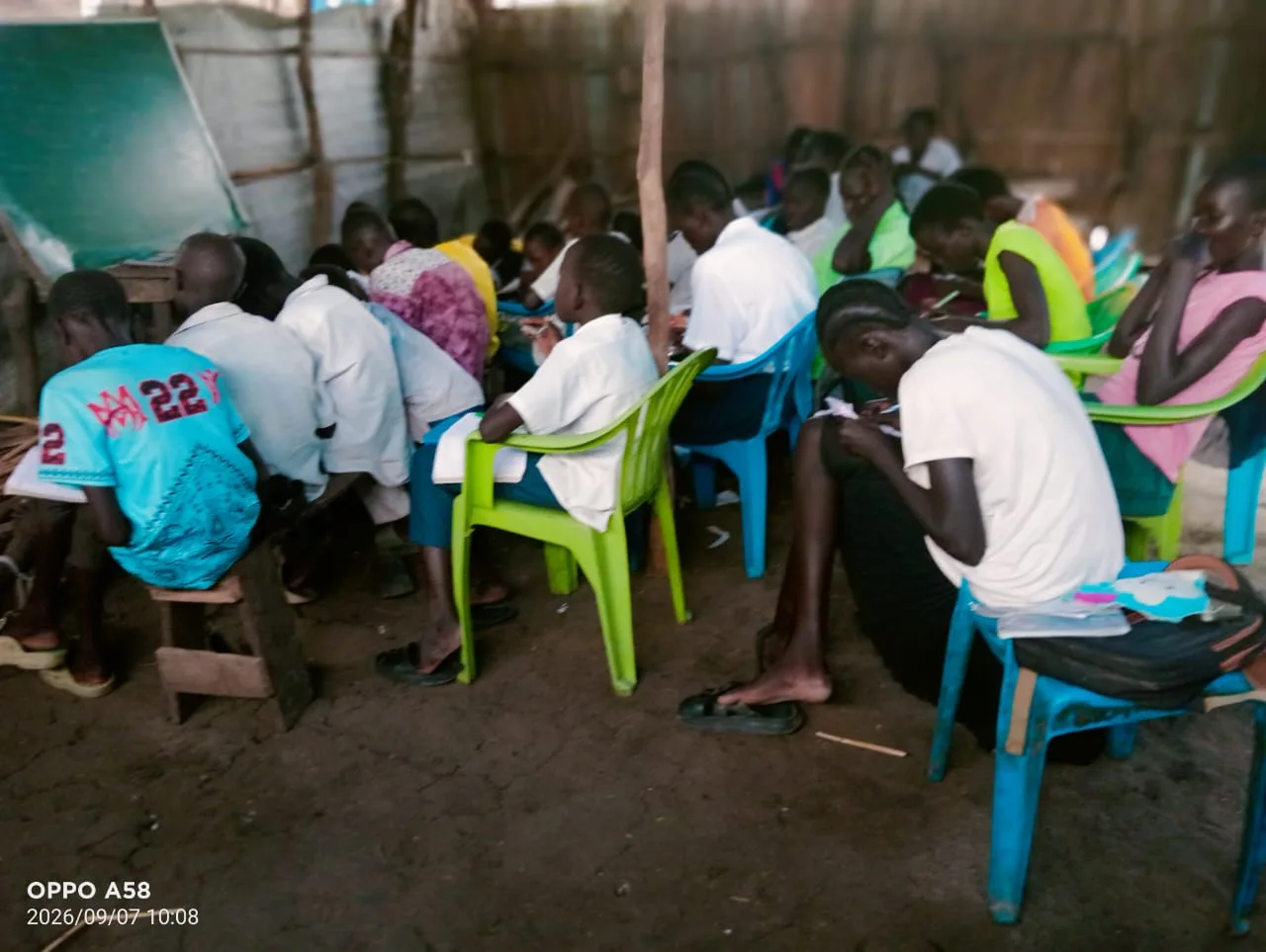
This multi-sector approach means that when you support a child’s education, you’re also supporting their health, food security, and family’s livelihoods. It’s not fragmented aid. It’s holistic transformation.
What Comprehensive Support Looks Like in Practice
Let’s break down what these education programs actually deliver, because the scope matters when you’re thinking about real impact.
At the core is enrollment in government schools or dedicated learning centers. Children receive instruction in core academic subjects, but they also get something many never had: a safe space. Schools become anchors of stability in chaotic circumstances.
Alongside academics, programs provide:
- Healthcare services: Regular health screenings and treatment prevent illness from pulling kids out of class.
- Nutritional support: Many programs offer meals or take-home rations that keep children nourished and families more food-secure.
- WASH services: Clean water access and sanitation facilities at school reduce disease and improve attendance.
- Family economic support: When families receive livelihood assistance or food security help, parents are more likely to keep kids in school rather than sending them to work.
This combination works because it removes the barriers that push refugee children out of education in the first place. Hunger, illness, and family poverty don’t have to mean dropout.
Who These Programs Serve and Where
Education programs for refugee children operate across multiple regions in South Sudan, reaching crisis-affected populations wherever they’ve been displaced. This includes children in refugee camps, host communities, and informal settlements.
Related: Best Way to Sponsor a Child’s Education in South Sudan
But the scope extends beyond primary school. The strongest programs also create pathways through secondary education and into boarding schools for high-achieving students. Some even support access to university and tertiary education, turning education into a genuine ladder out of poverty.
When you’re thinking about supporting education, that progression matters. Primary school builds foundation. Secondary school opens vocational and academic doors. University access creates leaders and professionals who can rebuild their communities. Organizations committed to refugee education understand that this long pipeline is what turns crisis-affected children into empowered adults.
Why This Model Works Better Than One-Off Aid

You’ve probably noticed that the most effective education programs don’t work in silos. They coordinate across sectors because refugee children’s lives don’t fit into neat boxes.
Related: Transforming Lives Through Education in South Sudan
A child who walks five kilometers to school on an empty stomach isn’t really attending class. A child with untreated malaria can’t concentrate. A family facing starvation will pull their kid out to work. The moment you address education alone and ignore these realities, you’re setting yourself up for low attendance and high dropout.
The best programs orchestrate support so that education, health, nutrition, and livelihood assistance reinforce each other. Teachers show up because they’re supported. Children attend because they’re fed and healthy. Families keep kids in school because they have some economic stability. Everything locks together.
This is also why these programs matter at scale. When done well, education becomes an investment in entire communities. Children who get education go on to become teachers, health workers, and leaders themselves. One well-designed program creates a multiplier effect across generations.
Making Education Sustainable for Refugee Communities
If you’re thinking about supporting education for South Sudanese refugees, sustainability should be part of your reasoning. Short-term programs help in the moment, but lasting change comes from systems that communities can maintain.
Related: Best Organizations Supporting Girls’ Education in South Sudan 2026
The strongest education initiatives partner directly with local communities. This means local teachers are trained and supported, not brought in from outside. Local parents are involved in decision-making, not left out. Local resources are leveraged alongside external support. When communities own the program, it survives beyond donor cycles.
This is why organizations like The Maale Foundation focus on building classrooms, developing teachers, offering scholarships, and creating safe learning spaces through partnership with the communities themselves. The goal isn’t dependence. It’s empowerment.
When you’re evaluating whether to support education programs, ask whether they’re building capacity locally or creating dependency. The answer tells you whether the impact will last.
Taking Action to Support Refugee Education
If this resonates with you and you want to help refugee children in South Sudan get the education they deserve, the path forward is clear.
Start by learning more about the organizations actually doing this work on the ground. Understand their model. See whether they’re truly integrating health, nutrition, and livelihood support or just talking about it. Check whether they’re partnering with communities or imposing solutions from outside. The details matter because they determine whether your support creates real transformation or temporary relief.
Then decide how you want to contribute. Whether it’s financial support, volunteering, advocacy, or spreading the word, there are multiple ways to be part of expanding education to refugee children who desperately need it.
How do refugee children get assessed for the right grade level?
Most education programs for refugee children use learning level assessments rather than age-based placement. This means a child who missed years of schooling gets placed based on their actual academic level, not their age. It’s more work upfront but prevents the discouragement that comes from being placed with much younger students or in classes where they can’t follow along. Some programs also offer accelerated learning tracks to help older students catch up.
Do these programs work if families are still in crisis?
Yes, but only if they’re designed to address crisis directly. That’s why the best programs combine education with healthcare, nutrition, and livelihood support. When a family receives food security assistance alongside their child’s schooling, the family is more stable and the child is more likely to attend. Education works best not as an isolated intervention but as part of comprehensive support that acknowledges where families actually are.
What happens after secondary school for high-achieving students?
The strongest education programs create pathways to boarding schools and tertiary education for students who excel. This opens doors to university and professional training, creating genuine long-term mobility out of poverty. Some programs also support vocational training for students who choose that route. The point is that education doesn’t end at primary or secondary level. It’s a ladder that reaches higher for those ready to climb.
How long does it take to see results from education programs?
Educational transformation happens at different speeds for different children. Some students re-engage with learning within months. Others take years to recover academically and emotionally from the trauma of displacement. What matters is that programs stay committed long enough for genuine change to happen. Quick-fix programs rarely create lasting impact. Sustained support does.