Transforming Lives Through Education in South Sudan
Transforming lives through education in South Sudan starts with one simple truth: when a child gets access to a real classroom and a trained teacher, everything changes. Education isn’t just about learning to read and write. It’s the foundation that breaks cycles of poverty, keeps kids safe, and gives entire communities hope for a better future.
South Sudan faces real barriers to education. Many vulnerable children never step foot in a classroom. Others start school but drop out because they need to work or because the learning environment isn’t safe. That’s why The Maale Foundation focuses on education that actually reaches the kids who need it most, building classrooms, training teachers, and removing obstacles that keep children from learning.
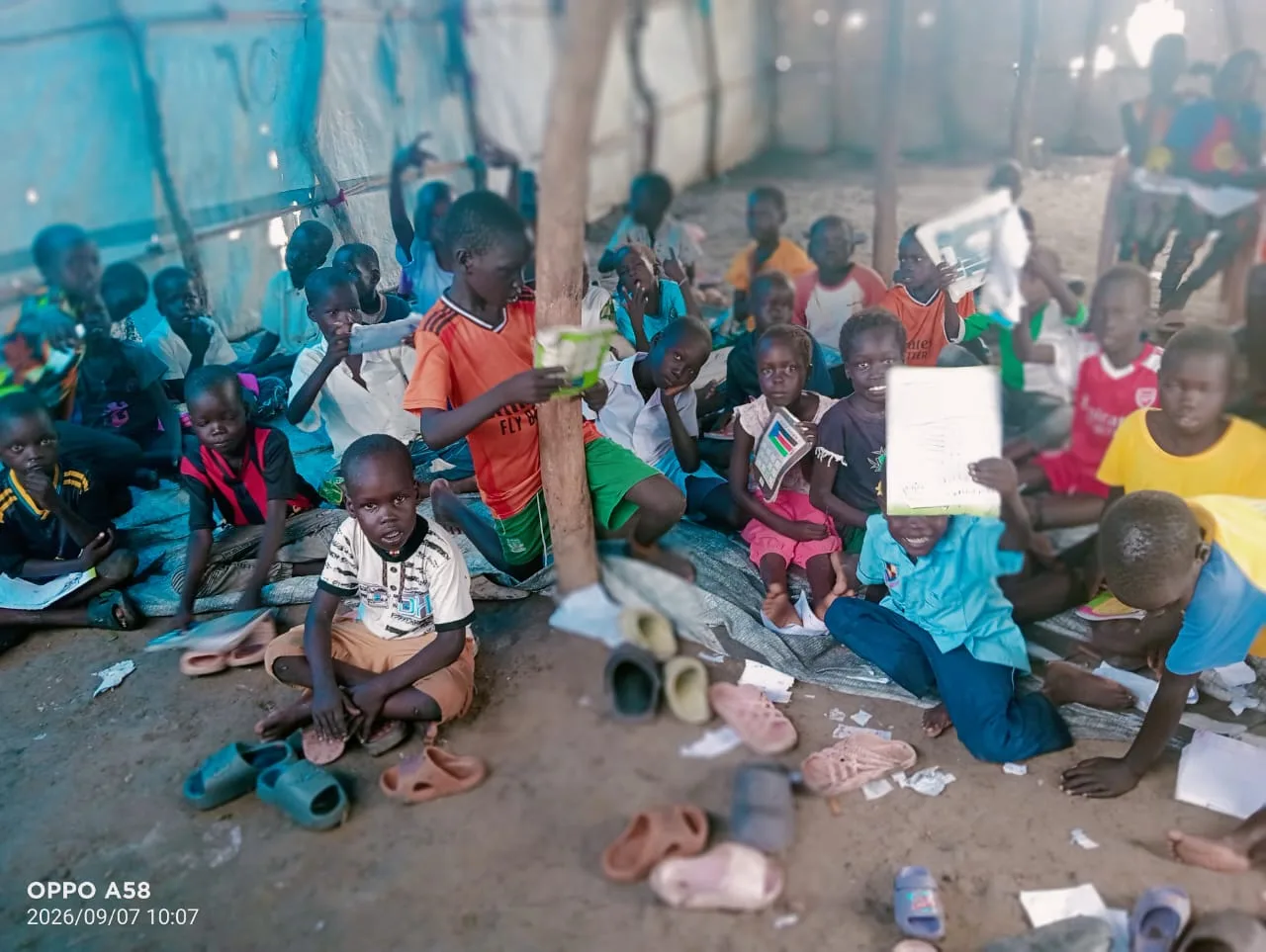
Why Education Transforms South Sudan
Education is one of the most powerful tools for breaking poverty’s grip. When kids go to school, they learn skills that lead to better jobs and stronger futures. But it goes way beyond that.
Related: Quality Education Access in South Sudan Communities: What Works
Related: Education Crisis South Sudan Children: What’s Happening & How to Help
Related: Best Way to Sponsor a Child’s Education in South Sudan
Education creates stability. Communities with schools are safer communities. Kids in classrooms are kids protected from child labor, exploitation, and worse. Families that prioritize learning tend to make better health choices, keep their children safer, and build stronger social bonds. One child’s education ripples outward and strengthens the entire community.
Girls’ education deserves special attention here. When girls stay in school and complete their education, the transformation is even more dramatic. They delay early marriage, have healthier babies, earn more, and lead their families and communities toward real change. Investing in girls’ education isn’t just fair—it’s one of the smartest investments a community can make.
Building the Foundation: Access to Classrooms
Transformation starts with access. You can’t learn if there’s no classroom to sit in.
Many areas of South Sudan don’t have schools within walking distance. Even where schools exist, they’re often overcrowded, lack basic supplies, or aren’t safe spaces for children to learn. Building classrooms—real, functional learning spaces—is the critical first step. These aren’t fancy buildings. They’re spaces where kids can gather, a teacher can stand, and learning can happen.
When a new classroom opens in a village, enrollment jumps. Families suddenly see education as possible. Kids who were working in fields or staying home start showing up. The psychological shift matters as much as the physical structure. A classroom says, “We believe in your future.”
Developing Teachers Who Make the Difference
A building with empty desks doesn’t transform lives. Teachers do.
South Sudan faces a critical teacher shortage. Many of the teachers who do exist lack proper training, resources, and support. They’re teaching in challenging conditions with minimal materials. Training teachers properly changes everything. Trained teachers know how to reach struggling students, keep classrooms safe, and make learning stick.
Teacher development isn’t a one-time workshop. It’s ongoing support, mentoring, and access to teaching materials that actually work. When teachers feel prepared and supported, they show up consistently, engage students more effectively, and create learning environments where kids actually want to be. The quality of your teacher directly determines whether a child will thrive or fall behind.
Making School Affordable: Scholarships and Support
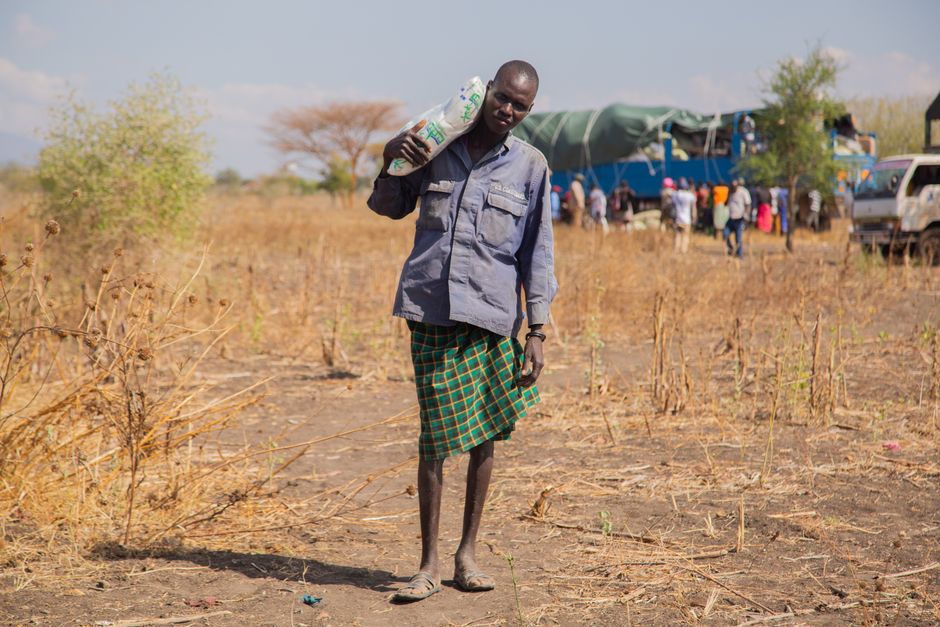
Even when classrooms exist and teachers are trained, poverty still blocks the door. Families living on almost nothing have to make brutal choices between sending a child to school or having that child earn money or help at home.
Scholarships remove that barrier. They cover school fees, supplies, uniforms, or transportation costs that would otherwise be impossible for families. The Maale Foundation understands that scholarships aren’t handouts—they’re investments in potential. They tell a vulnerable child, “You matter. Your education matters. We’re helping make it possible.”
But scholarships work best when paired with other support. Nutrition programs help kids concentrate and grow. Water and sanitation access keeps kids healthy enough to attend. Child protection services ensure that students aren’t facing abuse or exploitation. Real transformation requires looking at the whole child and the whole family situation.
Keeping Kids in School: Retention and Completion
Getting kids enrolled is step one. Keeping them there is where transformation actually happens.
Too many students in South Sudan start school but don’t finish. They drop out because of poverty, illness, family obligations, or unsafe conditions. Each dropout represents a life that didn’t transform, a cycle that wasn’t broken. Addressing retention means understanding why kids leave and fixing those reasons.
Some students need better nutrition to concentrate. Some need mentoring to stay motivated. Girls might need separate bathroom facilities to feel safe. Others face pressure from families who need them working. The best programs track which students are at risk of dropping out and step in with targeted support before it’s too late. Completion rates are what really matter. That diploma, that finished education, that’s what opens doors.
Measuring Impact and Staying Accountable
Transformation isn’t just about good intentions. Real change requires tracking what’s actually working.
The best education programs measure everything: enrollment numbers, attendance rates, completion rates, test scores, and long-term outcomes for graduates. They collect this data consistently and use it to improve. If a particular school is losing too many girls in grade five, they investigate and fix it. If students aren’t reading at grade level, they adjust teaching methods. Data keeps programs honest and focused on real results.
Accountability also means being transparent about challenges. Education transformation in South Sudan is hard. There will be setbacks. Communities will face barriers that take time to overcome. The organizations doing this work need to be clear about progress, admit where things aren’t working, and explain how they’re adapting. That transparency builds trust and keeps the focus on actual transformation rather than just looking good.
How Vulnerable Children Get Priority
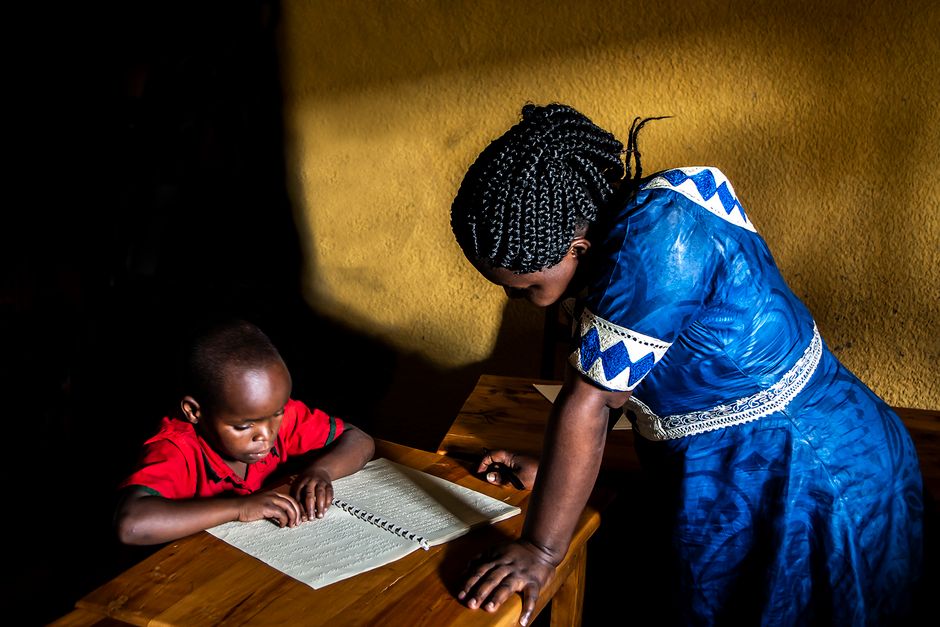
Transformation focuses on the kids who need it most. Vulnerable children—those living in poverty, facing abuse, separated from families, or caught in conflict—are at highest risk of being left out of education entirely.
That’s why programs targeting vulnerable populations matter so much. These efforts don’t just build one school. They build schools in the poorest areas, provide scholarships to the most disadvantaged kids, and create safe learning spaces specifically for children who’ve experienced trauma or exploitation. They work directly with communities to understand local barriers and design solutions that actually fit.
A vulnerable child who makes it through school and completes their education experiences profound transformation. They break out of poverty. They escape cycles of abuse or exploitation. They become someone who can protect their own children and lift up their community. That’s what this work is really about.
Building Partnerships That Last
The most successful education transformation happens when organizations work directly with communities, not at them.
Local community leaders, teachers, parents, and students know what their area actually needs. They understand cultural values, local challenges, and what will actually work in their context. When education programs listen to communities and build solutions together, they’re far more likely to succeed and to be sustainable long-term. The Maale Foundation works this way—partnering directly with local communities to expand education access rather than imposing outside solutions.
These partnerships also mean local people have ownership and leadership. Teachers aren’t just hired hands. Community members aren’t just recipients. They’re partners with real voice in how education transformation happens. That shared ownership is what keeps progress moving forward, even when things get hard.
Your Role in Education Transformation
You might be wondering how education transformation in South Sudan connects to you if you’re reading this from somewhere else in the world.
Education in one country impacts everyone. When vulnerable children get real opportunities instead of dead ends, entire regions stabilize. Families stay rooted instead of fleeing as refugees. Communities thrive instead of fracturing. Supporting education transformation in South Sudan is supporting global stability and human dignity.
Related: Best Organizations Supporting Girls’ Education in South Sudan 2026
Related: Education Programs for Refugee Children in South Sudan
Related: Best Volunteer Opportunities in Education Nonprofits: South Sudan 2026
Beyond the big picture, there’s something personal about it too. Every child who gets to go to school, who has a trained teacher, who completes their education—that’s one person’s entire life trajectory shifting. That’s hope becoming real. If you care about real transformation and you want to support it, organizations like The Maale Foundation make it possible to be part of that change.
What’s the biggest barrier to education in South Sudan?
Poverty is the biggest barrier by far. Families living on almost nothing have to make impossible choices. They need their children working to survive. School fees, uniforms, supplies, and transportation costs might as well be thousands of dollars. Beyond poverty, there’s also the physical challenge of distance. Many kids live too far from any school. When you add in safety concerns—especially for girls—and the lack of trained teachers, you get a system where many vulnerable children simply can’t access education no matter how badly they want it.
How does education prevent child labor in South Sudan?
When kids are in school, they’re not working in fields or factories. More importantly, education gives children and families hope for a different future. Parents who see their kids learning and progressing become more willing to keep them in school rather than sending them to work. Education also teaches children about their rights and builds their confidence. A child who stays in school is much less likely to end up in exploitative labor situations. Education is protection.
Why is girls’ education so important for transformation?
Girls’ education creates a multiplier effect. When a girl completes school, she’s more likely to delay marriage, have fewer children, earn money to support her family, and make better health decisions. Those girls become mothers who prioritize their own children’s education. The impact spreads across generations. Girls’ education transforms not just one life but entire family and community patterns. It’s one of the most powerful levers for long-term change.
How do scholarships help transform vulnerable children’s lives?
Scholarships remove the immediate barrier of cost, but they do much more than that. They send a powerful message to a child that their education matters, that people believe in their potential, and that someone is willing to invest in their future. For families living in poverty, a scholarship means their child can stay in school instead of working. Over time, that child develops skills, confidence, and options that lead to completely different life outcomes. A scholarship is often the difference between a life shaped by poverty and a life shaped by choice and opportunity.