Quality Education Access in South Sudan Communities: What Works
When you think about quality education access in South Sudan communities, you’re really talking about something bigger than just desks and textbooks. It’s a whole ecosystem that has to work together: physical spaces where learning happens, teachers who know how to teach, materials kids can actually use, and communities that are invested in making it all stick.
Right now, many South Sudan communities are missing pieces of this puzzle. Some places have zero classrooms. Others have buildings but no trained teachers. Some have teachers but no books. The challenge isn’t any single thing—it’s that all these pieces need to come together at the same time for real transformation to happen.
Here’s what actually moves the needle on quality education in these communities, and how you can help support efforts like those of The Maale Foundation.
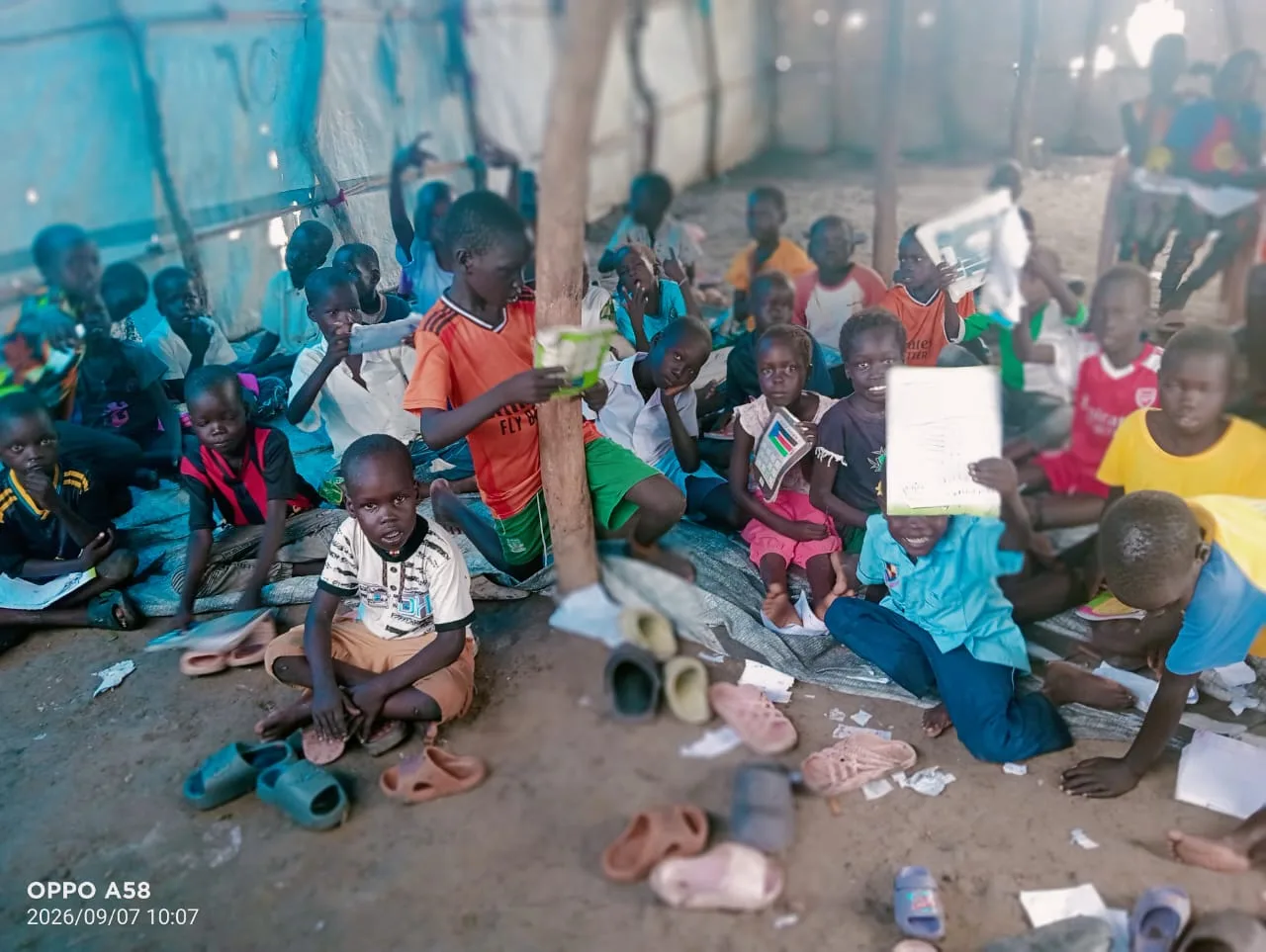
Build Physical Classroom Spaces That Actually Work
You can’t have quality education without a safe place to learn. This sounds obvious, but in many South Sudan communities, it’s not.
Related: Best Way to Sponsor a Child’s Education in South Sudan
Related: Transforming Lives Through Education in South Sudan
A real classroom means four walls and a roof that doesn’t leak. It means desks or benches where kids can sit. It means a chalkboard or whiteboard. It means windows for light. It means a space secure enough that parents feel their children are protected.
Related: Education Programs for Refugee Children in South Sudan
When a community has this kind of infrastructure, attendance jumps. Kids show up. They stay longer. Teachers can actually teach instead of managing chaos and weather.
The tricky part is that building takes resources, planning, and local knowledge. You need to know what materials work in that specific climate. You need community labor and community buy-in. You need to make sure the space serves the actual kids in that area, not some generic design from far away.
Invest in Teacher Training and Development
Here’s something people don’t always realize: a beautiful new classroom with a teacher who doesn’t know how to teach produces almost nothing.
Teachers in South Sudan often work with minimal training. Some have never been to secondary school themselves. Others got teaching certificates but never learned modern methods that actually work with kids who are learning to read or do math for the first time.
Quality education means giving teachers real professional development. It means ongoing training in how to teach reading, math, and critical thinking. It means creating mentoring systems where experienced teachers help newer ones. It means paying teachers fairly so they stay in the profession.
When you invest in teacher capacity, everything else improves. Kids learn faster. Retention goes up. The whole community sees education as something that matters.
Get Educational Materials Into Students’ Hands
Quality education access means students have textbooks, workbooks, and learning materials. This is non-negotiable.
Many South Sudan communities have classrooms where 60 kids share one textbook between them. That book is falling apart. The pages are missing. Kids can’t read the examples their teacher is trying to explain because they can’t see the page.
Developing and printing materials costs money, but it’s one of the highest-return investments you can make. When kids have their own copy or can reference a textbook in class, learning skyrockets. Teachers can assign homework. Students can study at home. Parents can see what their kids are learning.
Organizations like The Maale Foundation understand that materials aren’t a luxury—they’re the backbone of the learning system.
Create Safe Learning Environments for Vulnerable Kids

Quality education means nothing if kids don’t feel safe walking to school or sitting in class.
In some South Sudan communities, security concerns keep children out of school. Girls face barriers that boys don’t. Younger kids need protection. Kids with disabilities need accessible spaces.
Safe learning environments mean physical security, but also emotional and social safety. It means teachers who don’t use corporal punishment. It means girls have separate facilities when they need them. It means kids can report problems without fear.
When a school is genuinely safe, enrollment increases, especially among girls and younger children. Families are willing to send their kids because they know something good is happening there.
Build Community Partnerships Into Everything
Here’s what separates education initiatives that stick from ones that fade away: community partnership.
When you work directly with communities instead of imposing solutions from outside, everything changes. Community members know what their kids need. They know the local context. They can help maintain facilities. They can volunteer. They can hold the system accountable.
Quality education in South Sudan communities happens when local leaders, parents, teachers, and students all have a voice in what gets built and how it operates. It’s slower than top-down approaches, but it’s real and it lasts.
This kind of partnership work requires patience, listening, and genuine respect for what communities already know about their own needs.
Address Student Retention So Kids Keep Learning
You can build the best classroom in South Sudan, but if kids drop out after two years, you haven’t solved the problem.
Retention issues come from different causes: poverty forcing families to pull kids out to work, girls leaving school at puberty, distance and transportation challenges, or kids falling behind academically and giving up.
Quality education access means programs designed to keep kids enrolled and progressing. This might mean scholarships. It might mean addressing transportation. It might mean ensuring classes move at a pace where students don’t fall hopelessly behind. It might mean mentoring and encouragement.
When you look at education systems that actually work in resource-constrained settings, retention is always a deliberate focus, not an afterthought.
Think Long-Term About System Sustainability
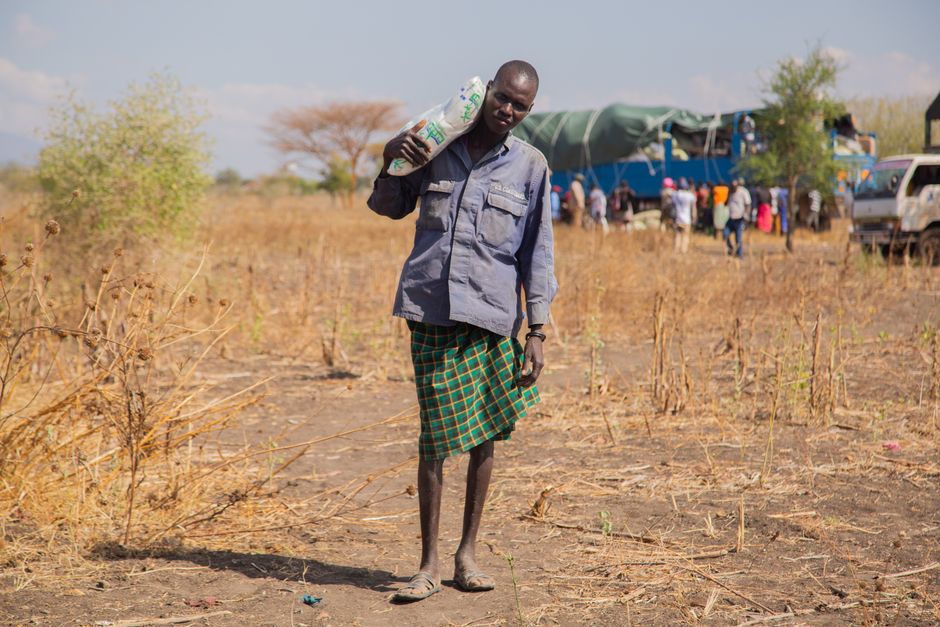
The difference between a project that works for a few years and a system that transforms communities long-term is sustainability.
Sustainable quality education means building local capacity to run schools year after year. It means creating systems where teachers are trained by local trainers. It means communities maintaining buildings and creating local funding mechanisms. It means systems resilient enough to keep working even when outside support shifts or funding changes.
This is why organizations focused on education in South Sudan, like The Maale Foundation, emphasize building local leadership and ownership alongside immediate needs like classrooms and teacher training.
Related: Best Organizations Supporting Girls’ Education in South Sudan 2026
Create Pathways for Early Childhood Learning
Quality education doesn’t start in first grade. It starts before kids enter formal school.
Early childhood education programs set kids up for success. Kids who attend preschool or early learning programs learn better in primary school. They’re more ready academically and socially.
Many South Sudan communities have no early learning options. Building these alongside primary school infrastructure means you’re creating a complete learning pathway, not just plugging older kids into a system.
Build Financial Sustainability Into Education Plans
Here’s the hard truth: quality education requires consistent funding.
When you’re expanding access to quality education in South Sudan communities, you need to address how school will be funded long-term. This might mean advocacy for government investment. It might mean community contributions based on what families can afford. It might mean partnerships with organizations dedicated to this work.
Communities that have thought through financing are the ones that build schools, hire and pay teachers, and keep materials flowing year after year. Without this foundation, even the best-intentioned efforts fade.
Measure Learning Actually Happening
You can have buildings, teachers, and books, but if kids aren’t learning, you don’t have quality education.
This means assessing whether students are actually achieving basic competencies in reading, math, and other subjects. It means identifying kids who are falling behind and getting them support. It means using data to improve how teaching happens.
Many South Sudan communities operate without clear learning assessments. Schools exist, but nobody knows if the system is actually working. Quality education requires transparency about whether kids are learning, and willingness to change approaches when they’re not.
What does quality education access really mean?
It means kids in your community have safe classrooms, trained teachers, textbooks, and support to actually learn—and that system keeps working year after year because the community owns it and resources sustain it.
Why do so many South Sudan communities struggle with education quality?
Physical infrastructure is expensive to build and maintain. Teacher training takes ongoing investment. Learning materials cost money to produce and distribute. And without deliberate planning for sustainability, systems collapse when initial support ends. It’s not one problem—it’s a constellation of challenges that all need attention.
Can quality education work in resource-limited settings?
Absolutely, but it requires being smart about priorities. Build classrooms that communities can maintain. Train teachers using local expertise. Use materials that are affordable to produce locally. Partner with communities so the work doesn’t depend on outside support forever. Organizations working in South Sudan prove every day that quality education is possible with limited resources and brilliant execution.
How do I help expand quality education access in South Sudan communities?
Partner with organizations building education systems the right way. Support efforts that invest in classrooms, teacher training, and community partnership together—not just one piece. Learn about what’s actually working in the communities you want to help, and donate toward those proven approaches. The Maale Foundation builds classrooms, develops teachers, offers scholarships, and creates safe learning spaces by partnering directly with communities. If you want to see quality education actually happen in South Sudan, that’s the kind of partnership that creates lasting change.