Education Nonprofits Working in South Sudan: A Guide
If you’re looking for education nonprofits working in South Sudan, you’re tapping into one of the most critical humanitarian needs on the planet right now. South Sudan has one of the lowest school enrollment rates in the world, and millions of children are missing out on basic learning opportunities. But there’s good news: a handful of dedicated organizations are on the ground, building classrooms, training teachers, and creating pathways to hope for vulnerable youth. Here’s what you need to know about who’s doing this work and how they’re making a difference.
The Landscape of Education Nonprofits in South Sudan
Education nonprofits operating in South Sudan fall into a few key categories. Some focus purely on access and infrastructure, building classrooms and removing financial barriers to school. Others take a more integrated approach, bundling education with nutrition programs, clean water access, and child protection services all in one effort.
Related: IDP Camp Education Programs in Africa: What They Do
Related: Sustainable Education Initiatives in Conflict Zones: What Works
Related: How to Donate to Education Programs in Africa
Related: Contextual Teaching and Learning: A Guide for Educators
Related: Universal Design for Learning: A Practical Guide
Related: What Is Education? A Complete Guide to Learning & Growth
Why the integrated model? Because kids can’t learn when they’re hungry, sick, or unsafe. Many organizations working in South Sudan have figured this out the hard way. When you’re trying to reach vulnerable children in one of the world’s most fragile contexts, you can’t just drop a school building and call it done.
Related: Best Classroom Construction Projects in South Sudan: A Proven Model
Major Players and Their Approaches
Save the Children has been active in South Sudan since 1991, making them one of the longest-running education-focused nonprofits in the country. They provide education alongside healthcare and nutritional support, understanding that holistic development matters. UNICEF operates similarly, delivering integrated services that cover education, nutrition, clean water, and child protection all at once.
But here’s where organizations like The Maale Foundation fit into the picture. While larger international organizations coordinate across regions, locally grounded nonprofits focus on direct community partnerships, building trust one village at a time. The Maale Foundation educates, empowers, and transforms the lives of vulnerable children and youth in South Sudan specifically through education that brings hope and opportunity, partnering directly with local communities to expand access to quality education.
Related: Best Volunteer Opportunities in Education Nonprofits: South Sudan 2026
Key Educational Interventions These Nonprofits Deploy
If you want to understand what education nonprofits in South Sudan actually do on the ground, here are the main strategies:
- School Fee Coverage Programs – Many families can’t afford to send kids to school. Nonprofits remove this barrier by covering tuition, uniforms, and materials directly.
- Remote Learning Delivery – South Sudan’s geography is challenging. Some organizations use mobile learning centers and radio-based instruction to reach dispersed student populations where traditional schools don’t exist.
- Teacher Training and Capacity Building – You can’t have quality education without trained educators. Nonprofits invest heavily in professional development for local teachers who are often working with minimal resources.
- Child Protection Integration – Education nonprofits in South Sudan embed protection pathways within schools because vulnerability doesn’t stop at the classroom door. Kids need safe spaces, not just book spaces.
Funding Models and Sustainability
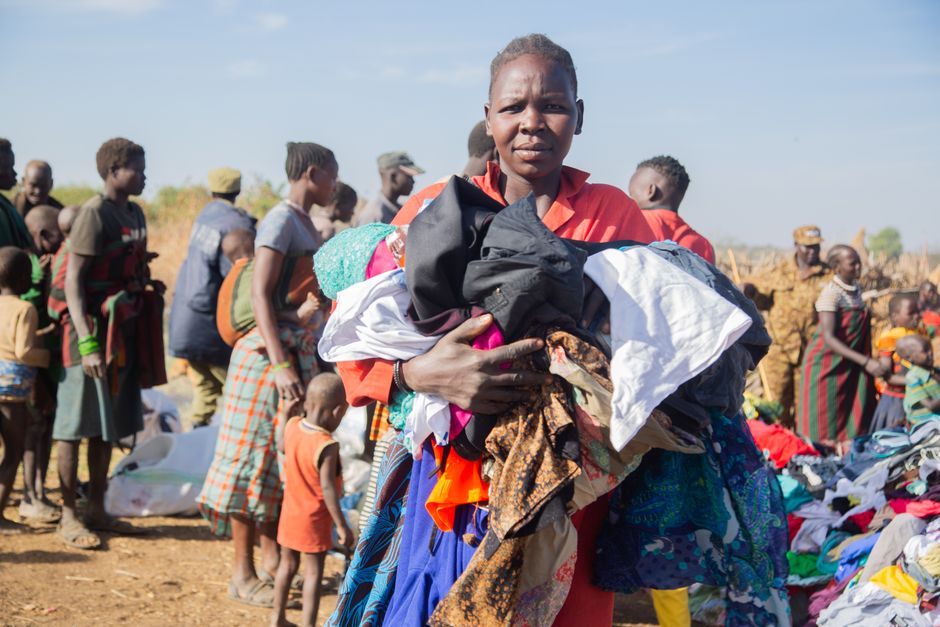
How do these organizations stay afloat? It’s a mix. International grants and donor support are crucial, especially with the 2026 funding cycles now opening up. According to recent research, international foundation grants are available specifically for nonprofits in the Global South working in education, agriculture, environment, and health sectors.
The smart nonprofits are the ones preparing applications right now, ensuring they can clearly articulate alignment with child protection priorities and measurable impact metrics. If you’re considering supporting education nonprofits in South Sudan, look for organizations that are transparent about where money goes and what results it produces.
Why Direct Community Partnership Matters
Here’s something important: not all education nonprofits in South Sudan operate the same way. Some are parachute organizations that drop in, build something, and leave. Others stay, invest in local leadership, and actually listen to what communities need.
The difference shows up in sustainability. When you work directly with local communities, as The Maale Foundation does by building classrooms, developing local teachers, offering scholarships, and creating safe learning spaces, you’re not just solving today’s problem. You’re creating infrastructure that local people own and maintain.
What to Look for When Evaluating Education Nonprofits in South Sudan
If you’re thinking about supporting an organization, ask yourself these questions:
- Do they have boots on the ground or are they managing from abroad?
- Are they transparent about their financials and impact metrics?
- Do they prioritize teacher training and local capacity building, not just classroom construction?
- Are they addressing protection and safety alongside academics?
- Do they publish regular updates and involve donors in their journey?
These aren’t gotcha questions. They’re just basic indicators that an organization knows what they’re doing and cares about long-term change, not short-term optics.
How You Can Support Education Nonprofits in South Sudan

Supporting education nonprofits doesn’t always mean writing a big check. You can:
- Volunteer your skills in fundraising, marketing, or grant writing
- Sponsor a child’s education directly through a scholarship program
- Make a monthly recurring donation that lets organizations plan ahead with confidence
- Advocate publicly and share their mission with your network
- Connect them with other donors, companies, or partners who might want to help
If you’re serious about this, start by researching which organizations align with your values and see clear evidence of impact. Look at organizations that prioritize transformation over charity, that invest in people as much as buildings, and that measure long-term change, not just short-term outputs.
The Future of Education Nonprofits in South Sudan
The next phase of education work in South Sudan will likely blend traditional classroom learning with digital tools, deepen integration of health and nutrition services, and push for stronger child protection mechanisms. Organizations that can adapt to this reality while staying grounded in community relationships will thrive.
2026 is shaping up to be a significant year for grant funding. Organizations are already positioning themselves to access new international foundation resources, and the competition is real. If you know of education nonprofits doing good work in South Sudan, now is the time to amplify their message and help them secure the funding they need to scale impact.
Related: Learning Resources for Nonprofits & Social Impact Work
What’s the biggest barrier to education in South Sudan?
Poverty is the elephant in the room. Most families simply cannot afford school fees, uniforms, or materials. Many children also need to work to help their families survive, so even when school is free, attendance suffers. Nonprofits tackle this with fee waivers, scholarships, and programs that address underlying poverty alongside education.
Related: Best Training Programs for Nonprofits 2026: Top 5 Ranked
Related: Best Essential Education Programs 2026: Top 5 Ranked
Related: Best Scholarship Opportunities for Refugee Children’s Education
How can I find a specific education nonprofit to support in South Sudan?
Start with charity evaluation sites like GiveDirectly or GiveWell, which vet organizations for impact and transparency. Research organizations’ websites directly, look for annual reports, and reach out to ask specific questions. A legitimate nonprofit will be thrilled to tell you exactly how your money helps kids learn.
Do education nonprofits in South Sudan work with government schools or build their own?
Most do both. They partner with existing government schools to avoid duplicating infrastructure while also building new schools in areas with zero access. The smartest approach is collaborative, strengthening systems that already exist while filling gaps where government presence is weak or nonexistent.
What impact can a typical donation to South Sudan education nonprofits have?
A $50 donation might cover a child’s school supplies for a year. A $500 donation could sponsor a child’s full education for a year. A $5,000 donation could train 10 teachers in modern pedagogy. Larger commitments help build classrooms, supply libraries, or fund multi-year scholarship programs. Ask the organization directly how they allocate funds at different levels.