IDP Camp Education Programs in Africa: What They Do
When armed conflict forces families to flee their homes, children are often the ones who lose the most. Not just their houses or their stability, but their education too. That’s where IDP camp education programs in Africa come in. These initiatives create safe, functioning schools inside displacement camps across Nigeria, and other regions affected by conflict, reaching tens of thousands of vulnerable children every year.
If you’re wondering what these programs actually do and how they work, you’re asking the right question. Understanding IDP camp education is essential if you want to see real change happen for displaced kids.
What Are IDP Camp Education Programs?
IDP stands for Internally Displaced Person. These are people forced to leave their homes because of conflict, violence, or persecution, but who stay within their own country’s borders. Children in IDP camps face unique challenges: trauma, poverty, unstable living conditions, and zero access to schooling.
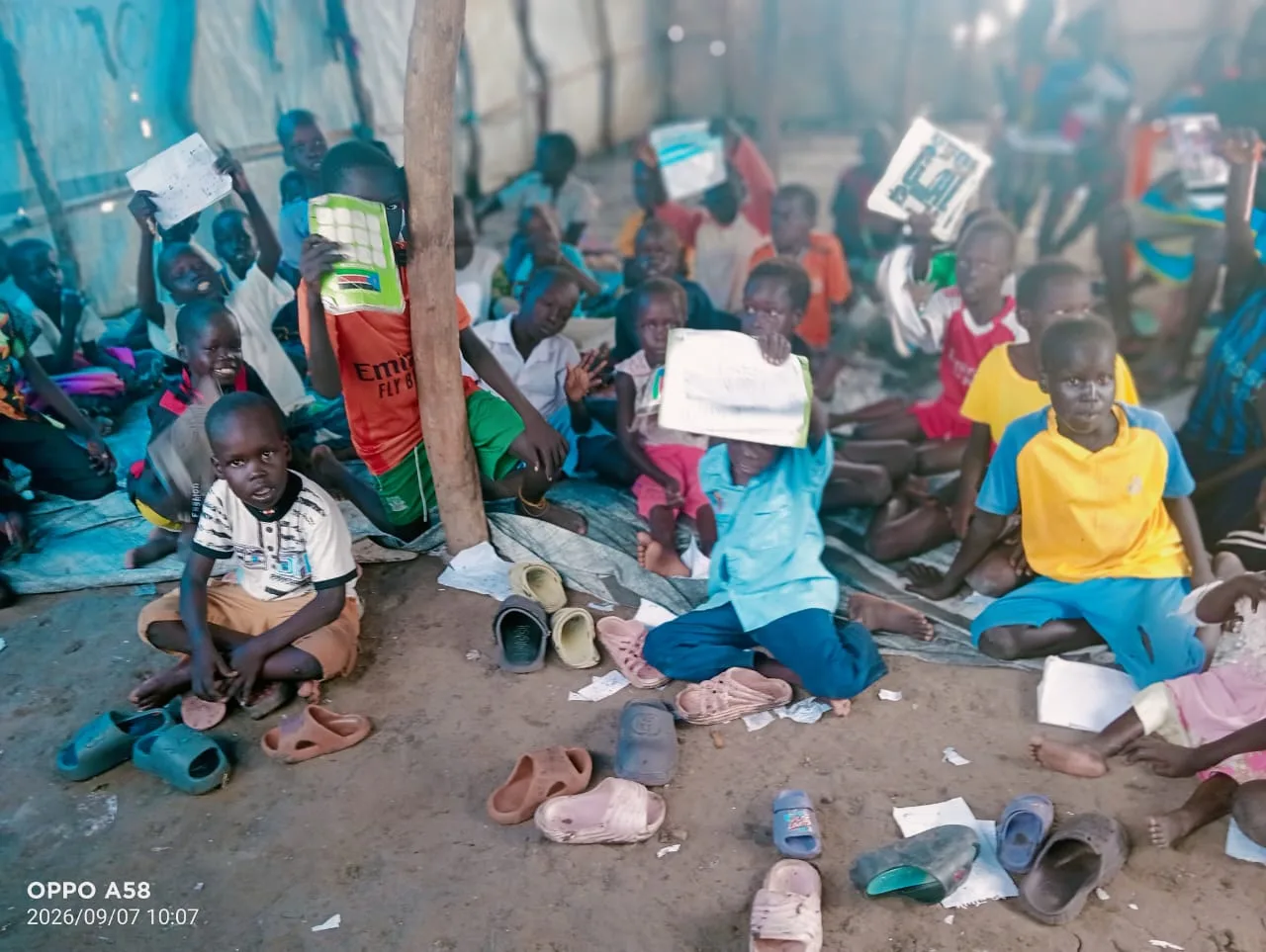
IDP camp education programs tackle this head-on by building classrooms, training teachers, and creating learning environments that feel safe and stable. But they don’t stop at academics. Most programs layer in mentorship, economic support for families, and immediate relief services—food, healthcare referrals, and psychosocial care—alongside regular instruction.
Related: Best Teacher Development Programs 2026: Top 5 Ranked
Related: Best Training Programs for Nonprofits 2026: Top 5 Ranked
Think of it as education wrapped inside a safety net. You can’t teach a child who’s hungry or terrified. So these programs treat education and wellbeing as one package deal.
Related: Best Essential Education Programs 2026: Top 5 Ranked
Where These Programs Operate in Africa
The heaviest concentration of IDP camp education work happens in northern and central Nigeria, particularly in Adamawa, Borno, and Yobe States. These regions have experienced prolonged armed conflict that displaced millions, leaving entire generations without schooling options.
Programs serving these areas often coordinate across multiple states because displacement is regional, not isolated. A child might flee Borno State and end up in a camp in Adamawa, so education networks have to span boundaries and work together.
The scale is real: some initiatives reach over 70,000 children across multiple camps. That’s 70,000 kids who might otherwise never learn to read or write.
Core Components of IDP Camp Education Programs
So what does an actual education program inside a displacement camp look like? Here are the pieces that make it work:
- Safe physical spaces: Classrooms that protect children from weather, noise, and further trauma. These aren’t fancy buildings, but they’re intentional. Solid walls, roofs, designated learning zones.
- Teachers and instructors: Local educators trained to work with traumatized, displaced populations. They understand the context. They speak the languages. They’re not outsiders parachuting in.
- Basic academic instruction: Pre-primary and primary education covering literacy, numeracy, and foundational skills that kids need to rebuild their futures.
- Mentorship: One-on-one or small-group relationships with adults who help kids process trauma and imagine possibilities beyond the camp.
- Economic and relief support: Programs work with families on income generation, food security, and healthcare linkages so that poverty doesn’t force kids out of school.
- Library and resource centers: Shared spaces with books, learning materials, and tools that extend education beyond the classroom.
When The Maale Foundation designs education interventions for vulnerable populations, this layered approach is exactly what makes the difference between a program that feels helpful for a moment and one that actually transforms lives.
Why Standard Approaches Don’t Work in IDP Camps
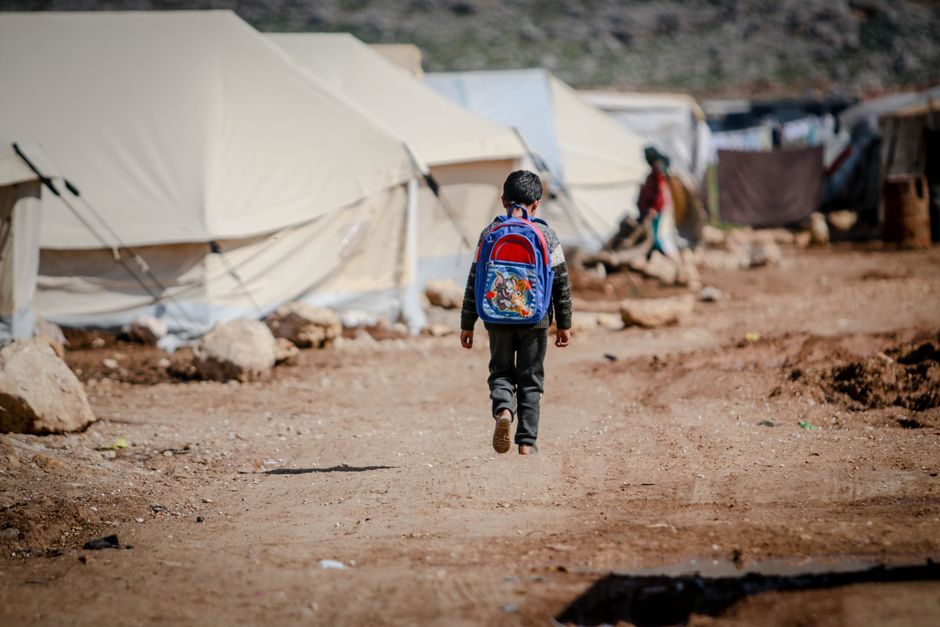
You can’t just drop a textbook and a teacher into a displacement camp and expect results. Displaced children aren’t the same as kids in stable communities. They’re processing loss, living with uncertainty, and often dealing with PTSD.
Effective IDP camp education programs start by understanding that reality. They design with empathy, not just efficiency. They ask: What do these children actually need? What are the barriers keeping them out of school? What does safety look like to them?
Programs that succeed also build in flexibility. A camp population changes. Families move. Seasons shift. Good programs adapt. They’re not rigid systems; they’re living, breathing interventions that respond to what’s happening on the ground.
How Programs Sustain Themselves Long-Term
Short-term aid feels good, but displacement crises last years, sometimes decades. That’s why the most effective IDP camp education programs focus on self-sustainability.
What does that mean? It means training local teachers who stay after the initial funding ends. It means linking programs to community structures so that education keeps happening even when external support fluctuates. It means small wins that expand gradually—starting with 45 or 50 students and growing as capacity builds, rather than overpromising and collapsing.
It also means integrating economic components. When parents have income, kids stay in school. When communities feel invested, they protect the programs. Sustainability isn’t just about money; it’s about building buy-in from the ground up.
The Real Impact: Education as a Pathway Out
Here’s what matters most: education in IDP camps isn’t charity. It’s infrastructure for recovery. When displaced children learn, they regain agency. They see a future beyond the camp. They develop skills that make them less vulnerable when they eventually return home or resettle.
Programs that connect education to broader support—mental health, economic opportunity, foster care pathways for the most vulnerable—create ecosystems of hope. A child doesn’t just learn to read; they also get mentored by someone who believes in them, access to food so they can focus in class, and a path forward that feels real.
If you’re passionate about this work and want to understand how education can transform displaced communities, organizations like The Maale Foundation are doing this kind of human-centered education work in vulnerable contexts, showing what’s possible when you design with compassion and commit to real, lasting change.
Getting Involved and Supporting IDP Camp Education
Whether you’re a donor, a policy advocate, or simply someone who cares about displaced children, there are ways to support IDP camp education programs.
Related: How to Donate to Education Programs in Africa
Start by learning what’s actually happening on the ground. Visit organizations doing this work, read their reports, understand their challenges. Education in displacement camps isn’t romantic; it’s hard, messy, and needs sustained commitment.
Then ask: How can I help? Maybe it’s financial support. Maybe it’s amplifying the stories of displaced kids and teachers. Maybe it’s pushing for policy changes that protect education in conflict zones.
Organizations focused on transforming education for vulnerable youth, like The Maale Foundation, offer concrete ways to participate in this work. Explore how you can contribute to building classrooms, supporting teachers, and creating safe spaces where displaced children can learn and heal.
Frequently Asked Questions
How many children in IDP camps have access to education?
Access varies significantly by region and camp size, but many children in displacement camps still have no schooling options. Programs that do operate in IDP camps typically serve large populations, sometimes reaching tens of thousands of children across multiple sites. The gap between need and access remains enormous.
What’s the difference between IDP camp education and refugee education?
IDPs stay within their own country’s borders; refugees cross international lines. Education approaches differ because IDPs often expect to return home eventually, while refugee programs sometimes plan for longer-term settlement. Both populations need safe, quality education, but the context shapes the design of programs.
Related: Best Scholarship Opportunities for Refugee Children’s Education
Can education programs actually work in active conflict zones?
Yes, but with modifications. Programs operate in camps, which are typically more secure than active combat areas. However, conflict nearby still affects everything: trauma levels, staff safety, supply chains, and enrollment. Successful programs are flexible, trauma-informed, and work closely with local security and community leaders.
What happens to children after they leave the IDP camp?
That depends on the situation. Some return home once conflict subsides and can continue schooling there. Others may resettle elsewhere. Good education programs provide documentation of learning (certificates, portfolios) so that progress transfers. Programs also sometimes include reintegration support to help children transition back into home communities or schools.