How to Donate to Education Programs in Africa
Want to donate to education programs in Africa but not sure where to start? You’re in the right place. Whether you’ve got $5 or $5,000 to give, there are real, meaningful ways to support education for vulnerable children and youth across the continent. Let me walk you through exactly how to do it.
Understand Your Giving Options
First things first: there are multiple ways to donate to education programs in Africa, and the best choice depends on your situation.
Related: IDP Camp Education Programs in Africa: What They Do
Related: Sustainable Education Initiatives in Conflict Zones: What Works
One-time donations are the most straightforward. You give once, and that money goes directly to support classrooms, teacher development, scholarships, or safe learning spaces. No ongoing commitment required.
Related: Best Teacher Development Programs 2026: Top 5 Ranked
Related: Best Essential Education Programs 2026: Top 5 Ranked
Related: Best Training Programs for Nonprofits 2026: Top 5 Ranked
Related: Best Teacher Certification Programs for Educators Ready to Lead
Monthly giving programs let you set up recurring donations, often as little as $10 or $20 per month. Over time, these small amounts add up to massive impact. Many organizations match monthly gifts or give them special priority because they can plan around predictable funding.
Project-based donations are perfect if you want to fund something specific. Maybe you want to sponsor a scholarship for a specific student, build a classroom, or fund teacher training. You see exactly where your money goes.
Matching gifts are available through many employers. Check with your HR department—your company might double or triple your donation automatically. It’s free money for the cause.
Choose an Organization You Trust
Not all education nonprofits are created equal. You want to donate to an organization with real boots on the ground, transparent financials, and measurable impact.
Related: Education Nonprofits Working in South Sudan: A Guide
Look for organizations that:
- Work directly with local communities (not top-down foreign aid)
- Publish annual reports showing exactly how donations are used
- Have 501(c)(3) tax-exempt status (this matters for your tax deduction)
- Offer education that goes beyond classroom basics—think life skills, safety, economic opportunity
- Are actually present in Africa, not just fundraising from abroad
Organizations like The Maale Foundation work in South Sudan building classrooms, developing teachers, offering scholarships, and creating safe learning spaces through direct partnerships with local communities. That kind of on-the-ground presence matters because your donation doesn’t get lost in bureaucracy—it goes where it’s needed most.
Navigate the Donation Process
Once you’ve picked an organization, the actual donation is usually simple.
Most nonprofits have a donation page on their website where you can choose your amount and giving method (credit card, bank transfer, PayPal, etc.). A few things to confirm before you hit submit:
- Tax deductibility: Make sure the organization is registered as a 501(c)(3) nonprofit so you can claim your donation on your taxes
- Transparency: Check that they’ll give you a receipt and regular updates on impact
- Fees: Some platforms charge processing fees. Choose the option with the lowest fees so more of your money reaches the kids
- Recurring setup: If you’re doing monthly giving, confirm the dates and amounts match what you intended
After you donate, you should receive a confirmation email and receipt right away. Keep that for your taxes.
Understand the Funding Gap in African Education
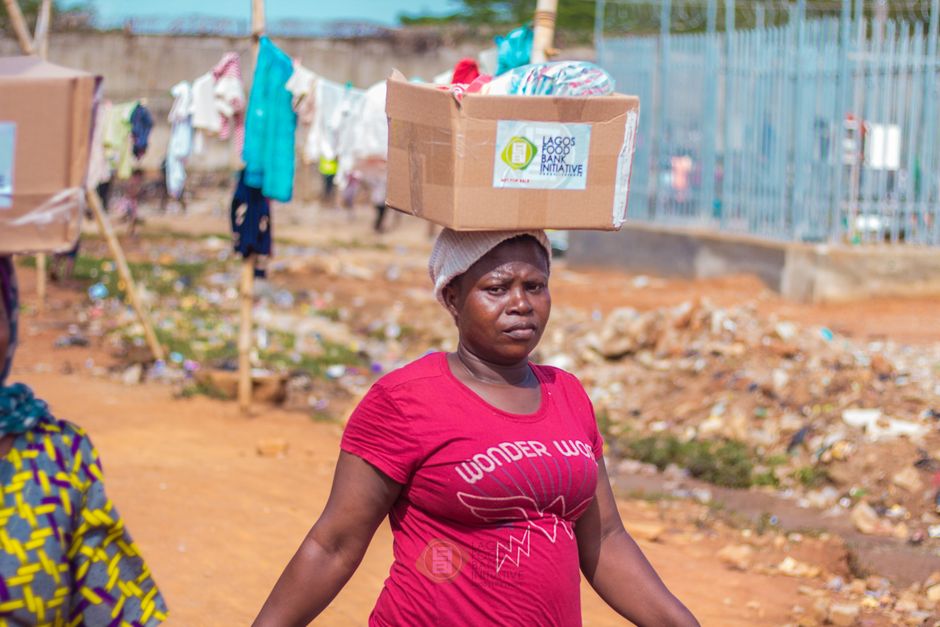
Here’s something important: organizations working on education in Africa consistently report feeling under-resourced and under-supported. There’s a massive funding gap.
According to UNICEF’s education research, millions of children across Africa still don’t have access to quality schooling. That gap exists because funding is limited, not because the need isn’t real.
Your donation directly addresses this. Whether you give $25 to support a child’s learning materials or $1,000 to help build a classroom, you’re filling a gap that government funding and international aid alone can’t cover.
Know What Your Money Actually Funds
This is where it gets real. When you donate to education programs in Africa, where does your money go?
Infrastructure: Building and renovating classrooms, installing water systems, creating safe spaces for learning.
Teacher development: Training local teachers so kids get quality instruction from people who understand their community.
Scholarships: Paying school fees, uniforms, and learning materials for vulnerable kids who can’t afford them.
Comprehensive support: Going beyond academics to address health, safety, and economic development for young people.
The best organizations—like The Maale Foundation—do all of this at once because education doesn’t happen in a vacuum. A kid can’t focus on learning if they’re hungry, unsafe, or have no hope for their future.
Consider Multi-Year Commitments
Education is a long game. Real transformation doesn’t happen in one year.
If you can commit to donating for 2-3 years, tell your organization. Many nonprofits can plan bigger, more ambitious projects when they know funding is secure. A three-year commitment of $50 per month ($1,800 total) has way more impact than sporadic larger gifts because the organization can build sustainable programs.
You don’t have to sign a legal contract. Just let them know your plan. Most will adjust their strategy accordingly and keep you updated on progress.
Get Involved Beyond Money

Donations are crucial, but they’re not the only way to support education in Africa.
You can volunteer, advocate for education policy, share organizations’ stories on social media, or help raise awareness in your community. Some nonprofits even offer volunteer opportunities or virtual mentoring for students.
Related: Best Scholarship Opportunities for Refugee Children’s Education
If you want to go deeper, organizations like The Maale Foundation welcome partnerships and direct engagement. You can learn more about their work, ask questions, and find ways to support beyond just donating money.
Track Your Impact
After you donate, ask for updates. Real organizations will send you impact reports showing:
- How many kids benefited from your donation
- Which classrooms were built or improved
- Stories from students and teachers
- What’s planned next with continued support
This transparency matters. You’re not just giving money into a void—you’re part of a movement that’s transforming lives.
Make Your Donation Tax-Deductible
Here’s the practical side: donations to 501(c)(3) nonprofits are tax-deductible, which means you might get some of your money back at tax time.
Keep all receipts and donation confirmations. When you file taxes, you can deduct the full amount donated to registered nonprofits. If you donate $500, you might get $100-150 back depending on your tax bracket. It’s not a reason to donate, but it’s a nice bonus.
Start Small and Build
You don’t need to be rich to make a difference. Many people start with a small one-time donation to test whether they like the organization and feel good about where their money goes. Then, if it feels right, they increase to monthly giving or larger annual gifts.
A $10 monthly gift is $120 per year. Over five years, that’s $600 supporting education. Multiply that by thousands of donors, and you’re building schools and changing childhoods.
People Also Ask
What percentage of my donation actually goes to programs in Africa?
This varies by organization. Most legitimate nonprofits spend 75-90% of donations directly on programs, with 10-25% going to administrative costs and fundraising. Always check an organization’s annual report or look them up on Charity Navigator or GiveWell to see their exact breakdown. Transparency here is non-negotiable.
Can I donate through my employer’s giving platform?
Probably yes. Most large employers have workplace giving programs or matching gift programs. Check with your HR or employee benefits department. Many platforms let you search for specific nonprofits and set up monthly gifts directly from your paycheck.
Is my donation safe and secure?
Yes, if you’re donating through the official website of a registered 501(c)(3) nonprofit. Look for HTTPS in the URL (that little padlock icon) and never click links from emails—always go directly to the organization’s website. Scams happen, so be cautious about unsolicited emails asking for donations.
How long before I see impact from my donation?
Some impact happens immediately (scholarships get paid, materials get purchased), but big structural changes take time. A new classroom might take 6-12 months to plan and build. Teacher training programs unfold over a school year. Ask your organization for a timeline so you know what to expect.