Best Education Opportunities for Vulnerable Youth in Africa
You know the feeling when you want to help but don’t know where to start? When you see barriers keeping talented young people from getting an education, it’s natural to feel stuck. The good news is that education opportunities for vulnerable youth in Africa are real, proven, and within reach when you understand what actually works.
The challenge isn’t a lack of potential. It’s access. Vulnerable youth across Africa face obstacles: poverty, displacement, lack of resources, family circumstances that pull them away from school. But when you remove those barriers with the right combination of support, transformation happens.
Here’s what makes a real difference: combining education with the wraparound support that vulnerable young people actually need. The Maale Foundation understands this intersection because we work directly in communities where these barriers are highest. Let’s walk through what education opportunities for vulnerable youth in Africa look like when they’re designed to stick.
Related: Education Empowerment for Vulnerable Populations in Africa
Related: How to Donate to Education Programs in Africa
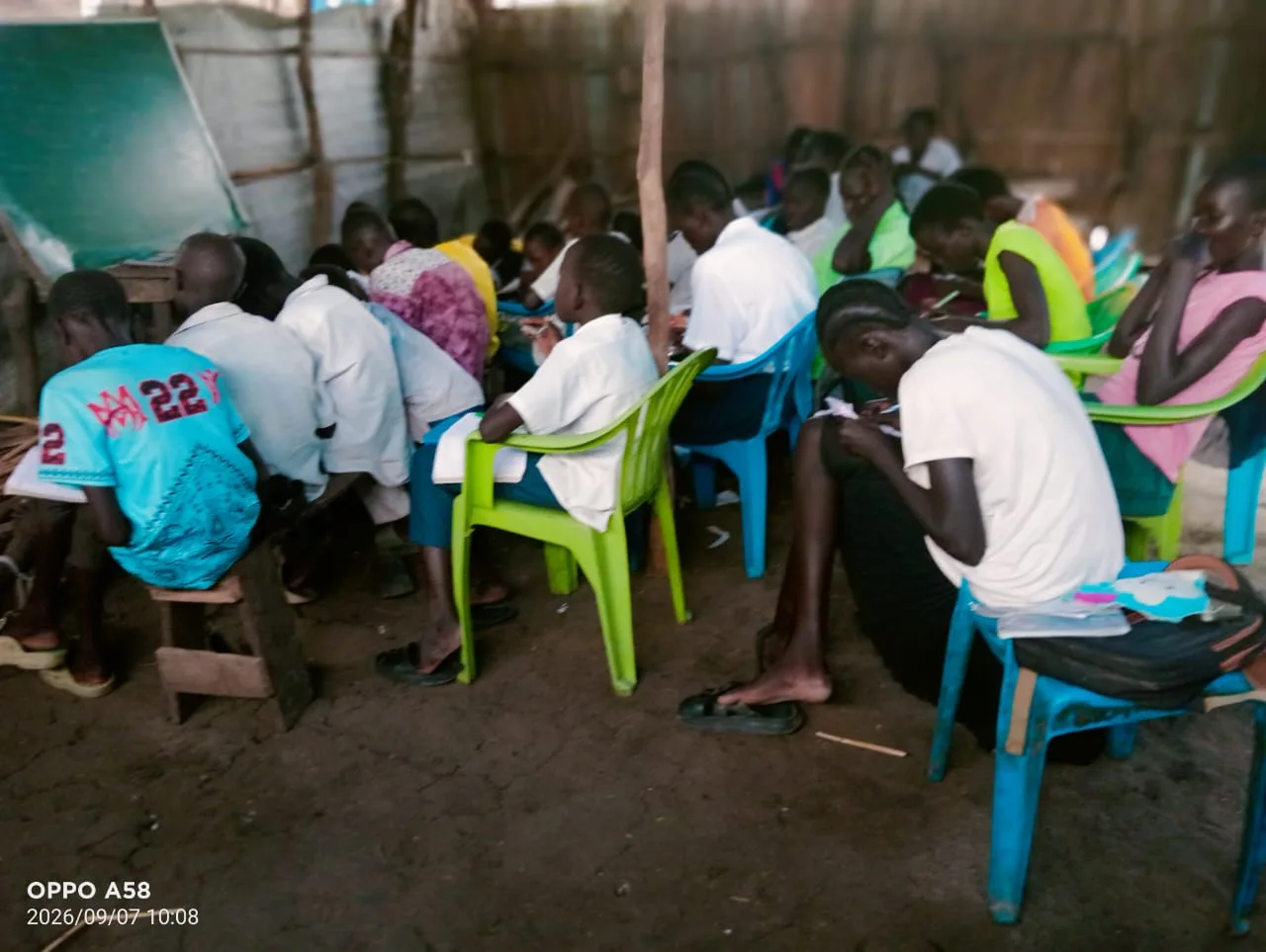
Scholarship Programs That Remove Financial Barriers
Money is often the biggest wall between a young person and a classroom. When a family is surviving day to day, school fees aren’t optional expenses they can justify. Scholarships change that equation entirely.
The most effective scholarship programs don’t just cover tuition. They’re holistic. They account for the books a student needs, school uniforms, transportation, and sometimes even basic meals that help a young person focus on learning instead of hunger. When you remove the financial excuse, you remove the excuse to drop out.
The impact compounds over time. A young person who completes secondary school because a scholarship made it possible doesn’t just change their own life. They become an example in their community. They show other young people that education is achievable. They often return to help their siblings and neighbors access the same opportunities.
Related: Best Scholarship Opportunities for Refugee Children’s Education
If you’re looking to support education that actually reaches vulnerable youth, education programs that combine scholarships with community partnerships are where sustainable change begins.
Mentorship and Social Support That Builds Confidence
Here’s what most education initiatives miss: vulnerable youth don’t just need academics. They need someone who believes in them when they don’t believe in themselves.
Mentorship works because it’s personal. A mentor isn’t abstract. They’re someone who knows your story, understands your barriers, and shows you that success is possible. For displaced youth or young people from families without education experience, a mentor becomes a bridge to a world that might otherwise feel closed off.
Mentorship also addresses the psychological weight of vulnerability. When you grow up with instability or poverty, school can feel like a place where you don’t belong. A mentor says: you do belong here. You have something to contribute. I’m here to help you get there.
The best mentorship programs pair this one-on-one support with group activities and peer networks. Young people learn from mentors, but they also learn from each other. They build friendships with peers who share similar circumstances. That social fabric makes them less likely to drop out when things get hard.
Structured Pathways from Education to Employment
Education matters most when young people can see how it leads somewhere. Vulnerable youth often worry: I’m going to sit in a classroom, but what’s the actual pathway to a job? To income? To independence?
Structured pathways answer that question. They connect classroom learning to skills development and real employment opportunities. A young person learns not just theory but practical skills that employers actually want. They might combine academic education with vocational training, apprenticeships, or job-readiness workshops.
The pathway approach also means mentorship doesn’t end when school ends. It extends into early career support. A young person has someone helping them navigate interviews, understand workplace culture, and land that first job. That continuity is what turns education into actual economic mobility.
When education opportunities include clear employment pathways, vulnerable youth aren’t just getting educated. They’re breaking cycles of poverty. They’re gaining the confidence and resources to build independent lives.
Community Engagement That Creates Sustainable Change

Here’s a truth: education initiatives fail when they’re imposed from outside. They succeed when communities own them.
Sustainable education opportunities for vulnerable youth in Africa start with listening to communities. What do families need? What barriers are they seeing? What resources already exist locally? When you build from community input, you’re not creating something that might disappear when external funding dries up. You’re building something the community will protect because they built it too.
Community engagement also means families get support alongside young people. If a parent doesn’t understand why school matters, or if household economics pull kids toward work instead of study, education falters. Programs that engage families, help them understand education’s value, and sometimes provide complementary support to the household create conditions where kids can actually stay in school.
Local ownership also builds teacher quality. When communities are involved in choosing and developing educators, school quality improves. Teachers are accountable to people they know. They’re invested in their students’ success because those students are their neighbors’ children.
The Maale Foundation’s approach reflects this commitment to community partnership. We build classrooms, develop teachers, and offer scholarships, but we do it in direct partnership with local communities to ensure education programs have roots and staying power.
Long-Term Accompaniment Over One-Time Help
Vulnerable youth don’t need a one-time intervention. They need steady, ongoing support through the ups and downs that come with being young, displaced, or living in poverty.
Think about what happens in a young person’s life. There are moments of doubt. Times when family crisis makes school feel impossible. Seasons when motivation dips. Moments when a young person questions whether their effort will actually pay off. One-time programs can’t hold someone through those moments. Long-term accompaniment can.
Organizations that truly reach vulnerable youth maintain relationships over months and years. They check in regularly. They help troubleshoot when barriers emerge. They celebrate wins, no matter how small. They’re present through graduation and beyond, into early career stages when young people are still building stability.
This continuity transforms how young people experience education. It’s no longer something happening to them. It’s something they’re doing with trusted partners who believe in their potential and stick around to see it realized.
Safe Learning Spaces and Resource Provision
You can’t learn if you don’t feel safe. You can’t study if you lack basic resources. That’s why the best education opportunities for vulnerable youth start with the fundamentals.
Safe learning spaces mean more than physical classrooms, though those matter too. They mean spaces free from violence, harassment, and discrimination. They mean environments where young girls don’t fear sexual harassment. Where young people displaced by conflict can heal as they learn. Where the classroom is a sanctuary from instability outside.
Resource provision is equally crucial. Vulnerable youth need textbooks, writing materials, learning tools, and sometimes technology. Without these basics, the most talented teacher can’t teach effectively. When resources are available, learning accelerates. Confidence grows. Young people experience education not as struggle but as possibility.
The combination of safety and resources creates the foundation everything else builds on. It says to vulnerable youth: this space was created with you in mind. You belong here, and you have what you need to succeed.
How to Support These Opportunities Now

If you’re moved by these approaches and want to see them in action, you have options. You can support organizations actively building education opportunities in the communities where vulnerable youth are concentrated. You can contribute to scholarships, mentor programs, teacher development, or classroom construction. You can volunteer expertise. You can raise awareness in your network about what actually works in this space.
Related: Best Volunteer Opportunities in Education Nonprofits: South Sudan 2026
The Maale Foundation offers concrete ways to engage. Whether you’re interested in supporting education directly or learning more about how these programs operate on the ground, there are pathways that match your capacity and passion.
The reality is that vulnerable youth in Africa aren’t waiting for perfect systems. They’re ready to learn right now. They’re ready to grow, contribute, and build better lives for themselves and their families. They just need adults and organizations willing to provide the education opportunities that make those futures possible.
What makes education opportunities sustainable for vulnerable youth?
Sustainability comes from community ownership, long-term funding, local teacher development, and ongoing support that extends beyond initial enrollment. When young people experience education as part of a stable relationship with their community and trusted mentors, they stay engaged. When families understand education’s value and have support addressing their own challenges, they keep kids in school. Sustainable programs build from the ground up with community input rather than imposing solutions from outside.
How do scholarships help beyond just covering tuition?
Comprehensive scholarships address the full cost of participation: tuition, materials, uniforms, meals, and sometimes transportation. They remove the financial barrier that forces young people to choose between school and work. They also signal to a young person that someone believes in their potential enough to invest in it. That psychological boost often matters as much as the money itself.
What’s the difference between mentorship and traditional teaching?
Teachers deliver curriculum. Mentors believe in young people and help them believe in themselves. Mentors know individual students’ stories and circumstances. They provide emotional support alongside academic guidance. They help young people navigate obstacles outside the classroom. For vulnerable youth, a mentor often becomes the person who makes education feel possible when circumstances suggest it isn’t.
How do programs help displaced youth specifically?
Displaced youth face unique barriers: interrupted education, trauma, uncertainty about where they belong. Effective programs combine education with trauma-informed support, flexible scheduling to account for displacement realities, and explicit messaging that displaced young people belong and can succeed. Community engagement helps local students and displaced youth build relationships. Long-term accompaniment provides the stability and continuity that displacement has taken away.