Education Empowerment for Vulnerable Populations in Africa
Education is the most powerful tool we have to transform the lives of vulnerable children and youth across Africa. When a young person gets access to quality learning, everything changes. Their confidence grows, their opportunities expand, and their whole community benefits.
But here’s the hard truth: millions of vulnerable young people in Africa still don’t have a real shot at education. Geographic isolation, poverty, gender barriers, and lack of resources keep them stuck. That’s why education empowerment for vulnerable populations in Africa isn’t just nice to have. It’s essential.
Related: Best Way to Sponsor a Child’s Education in South Sudan
Related: How to Donate to Education Programs in Africa
Related: Best Education Opportunities for Vulnerable Youth in Africa
If you want to understand how real education empowerment works on the ground, The Maale Foundation shows what’s possible when you combine classroom access with teacher training, scholarships, and safe learning spaces.
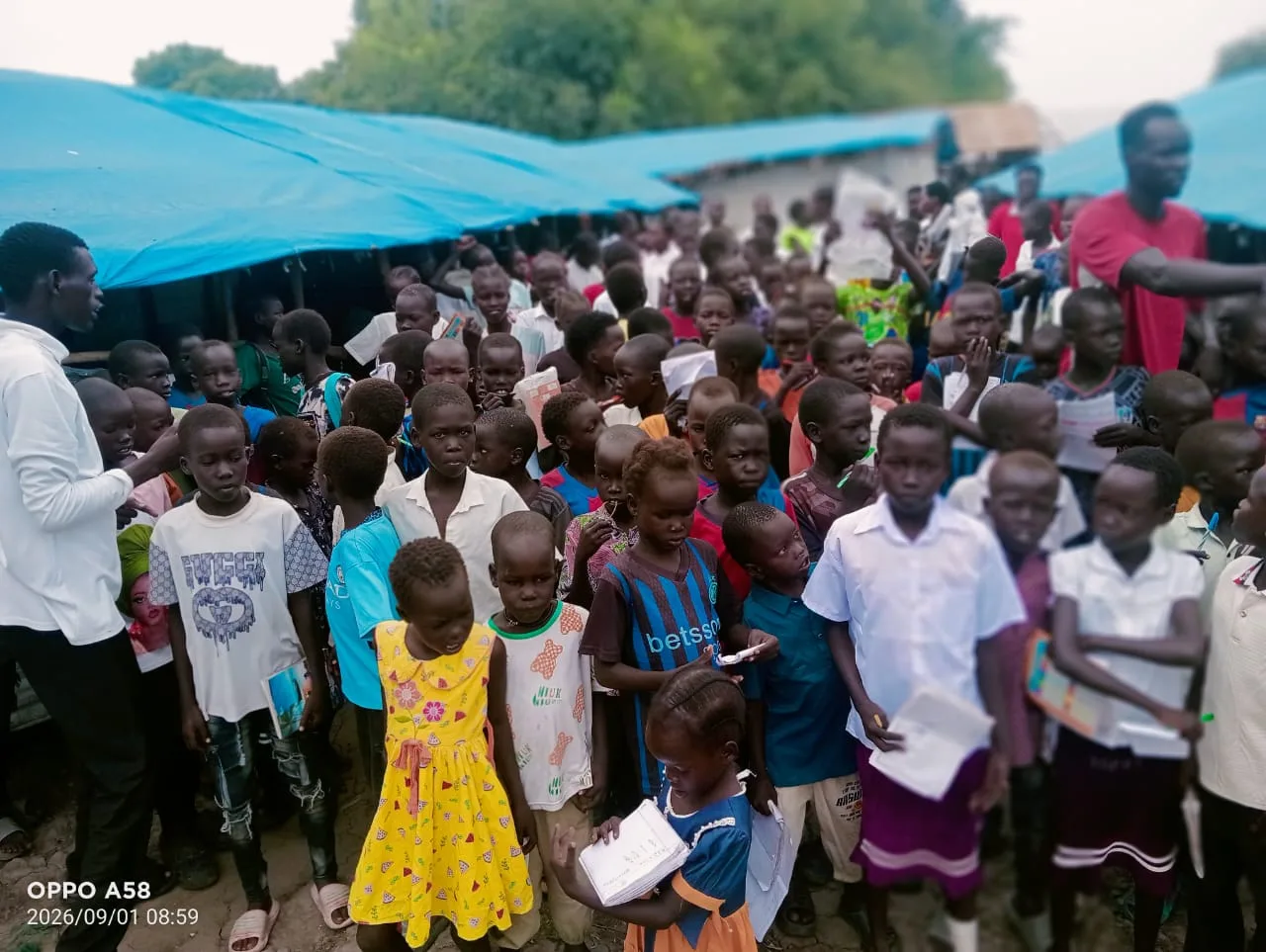
What Education Empowerment Actually Means for Vulnerable Populations
Education empowerment isn’t just about handing out textbooks. It’s about creating pathways that let vulnerable youth take control of their own futures.
Real education empowerment includes three core pieces:
- Access to quality learning: Safe classrooms, trained teachers, and learning materials that actually match what students need.
- Skills development: Combining academic knowledge with practical skills so young people can compete in the job market.
- Economic opportunity: Connecting education to real jobs and income-generating activities so learning translates into better lives.
When you combine these three pieces, you’re not just changing one student’s life. You’re changing entire communities. A girl who finishes secondary school earns more, has healthier kids, and influences her whole family’s future. A young man with both academic and vocational training can support himself and his family, not depend on handouts.
Why Vulnerable Populations Face Barriers to Education
Before you can empower anyone, you have to understand what’s actually blocking them.
Geographic isolation is huge. If you live in a rural area with no roads and no schools for miles, getting to class isn’t a choice. Your family needs you working on the farm or collecting water. Distance isn’t just inconvenient. It’s a deal-breaker.
Poverty is another wall. When your family makes barely enough to eat, school fees are impossible. A uniform might cost more than you earn in a month. Hunger makes learning impossible. A hungry kid can’t concentrate, can’t think, can’t build a future.
Gender barriers hit young women especially hard. In many communities, girls are pulled out of school early for marriage or because families believe boys’ education matters more. Girls have caregiving responsibilities that boys don’t. These aren’t opinions. These are the real obstacles millions face every single day.
Lack of infrastructure matters too. You can’t learn if there’s no building. You can’t succeed if your teacher has no training. You can’t imagine possibilities if nobody around you has completed school.
Building Education Empowerment From the Ground Up
The smartest education empowerment programs start with what communities actually need, not what outsiders think they should have.
Start by listening to local communities. What barriers do they face? What assets already exist? What would actually work in their context? Top-down programs fail because they don’t fit real life. Ground-level programs succeed because families are part of the solution.
Create safe learning spaces. A classroom is more than four walls. It’s a place where kids feel secure, where teachers care about them, where learning actually happens. For vulnerable youth, safety matters as much as curriculum.
Invest in teacher development. A trained, supported teacher changes everything. Teachers need real training, ongoing mentorship, and resources to actually teach well. When you develop teachers, you create multipliers. One good teacher impacts hundreds of students over years.
Remove financial barriers. Scholarships aren’t charity. They’re investment. When you cover school fees, uniforms, and materials, you remove the excuse that keeps kids out of class. Scholarships tell a young person: “Your education matters. We believe in you.”
Connect skills to opportunity. Academic learning matters. But vulnerable youth also need job skills, business training, and connections to actual work. When you link education to economic participation, you transform it from abstract knowledge into real income.
Making Education Empowerment Sustainable

One scholarship helps one student for one year. But what happens when the funding ends? Real empowerment scales by building capacity within communities themselves.
Look for programs that train local teachers instead of bringing in outsiders. Teach community members to manage schools instead of creating dependency on external staff. Build student-led initiatives so young people drive their own change. These approaches don’t look flashy, but they last.
Sustainable programs also measure what actually matters. Not just enrollment numbers. Are kids actually learning? Are they staying in school? Are they finding work afterward? Are girls completing secondary education? Are families protecting girls’ right to learn? These messy, real questions matter more than statistics that look good in donor reports.
Organizations like The Maale Foundation understand that sustainability means working directly with local communities to expand access to quality education that actually transforms lives, not just documents completed projects.
Empowering Vulnerable Girls Through Education
Girls face unique barriers. Gender inequality isn’t an accident. It’s built into systems, traditions, and economics. Empowering vulnerable girls through education means confronting these barriers head-on.
When a girl stays in school, her whole trajectory changes. She marries later. She has fewer children, spaced further apart. Her kids are healthier and more likely to go to school. She participates in her community. She has power over her own life.
Real girl empowerment includes scholarships specifically for girls, safety measures to protect them at school, mentorship from women who’ve succeeded, and family engagement so parents understand why their daughters’ education matters. It means addressing the specific challenges girls face, not just giving them access to the same programs as boys.
Breaking Poverty Cycles Through Youth Skills Development
Vulnerable youth inherit poverty unless something breaks the cycle. Education alone isn’t enough if it doesn’t connect to real work.
That’s why smart programs combine academic learning with practical skills. A young person might study math and literacy while also learning vocational trades. They get job readiness training alongside business skills. They understand how to access credit, how to start a small business, how to navigate a job market.
When you equip young people with both knowledge and skills, you give them options. They can pursue formal employment or create their own income. They can support themselves instead of depending on family or falling into exploitation. Their earning power grows. Their choices multiply.
If you’re serious about understanding how education empowerment actually works in practice, The Maale Foundation demonstrates what’s possible when you combine classroom access with skills training and genuine community partnership.
What You Can Do to Support Education Empowerment

Maybe you’re wondering how you fit into this. You don’t have to be an educator or work in Africa to make education empowerment real.
You can support organizations that do this work well. Look for those working directly in communities, not imposing solutions from outside. Look for those measuring real learning and real outcomes, not just outputs. Look for those investing in local capacity so their work lasts beyond donor interest.
You can advocate for education as a priority. Talk about why vulnerable youth deserve real opportunity. Push back against the idea that some kids matter more than others. Use your voice, your platforms, your networks.
You can stay informed about what actually works. Sustainable education empowerment looks different from emergency relief. Ground-level approaches look different from international programs. The more you understand about how real transformation happens, the better choices you make.
Common Questions About Education Empowerment in Africa
Why is education empowerment particularly important for vulnerable populations in Africa?
Vulnerable populations face multiple overlapping barriers. They’re poor, they’re geographically isolated, they face discrimination. Education is the tool that helps them overcome all of these at once. It’s not a luxury or a nice addition. It’s survival and transformation combined.
How do scholarship programs actually help vulnerable youth?
Scholarships remove the financial barrier that keeps kids out of school. But they do more than that. They signal to a young person that they matter, that their education is worth investing in, that their community believes they have potential. That psychological shift is as important as the money.
Can education empowerment work without involving local communities?
No. Programs that ignore community input or bypass local leaders fail because they’re built on assumptions, not reality. Real empowerment means communities drive their own solutions. Outside organizations support those efforts, but don’t control them. That’s the difference between sustainable change and temporary projects.
How do you measure whether education empowerment is actually working?
Look beyond enrollment numbers. Are kids actually learning? Are they completing their studies? Are they finding work or pursuing further education? Are girls staying in school? Are vulnerable populations accessing quality teaching? Are communities sustaining the programs themselves? These harder questions separate real impact from good intentions.