Best Scholarship Opportunities for Refugee Children’s Education
If you’re searching for ways to unlock educational opportunities for refugee children, you’re not alone. Right now, thousands of families are looking for the same thing: a real pathway to school, a way to break the cycle of displacement, and a chance at a meaningful future. The good news? Scholarship opportunities exist, and they’re more accessible than you might think. Whether you’re supporting a child directly or working within a community organization, The Maale Foundation and other mission-driven organizations are making education possible for vulnerable young people.
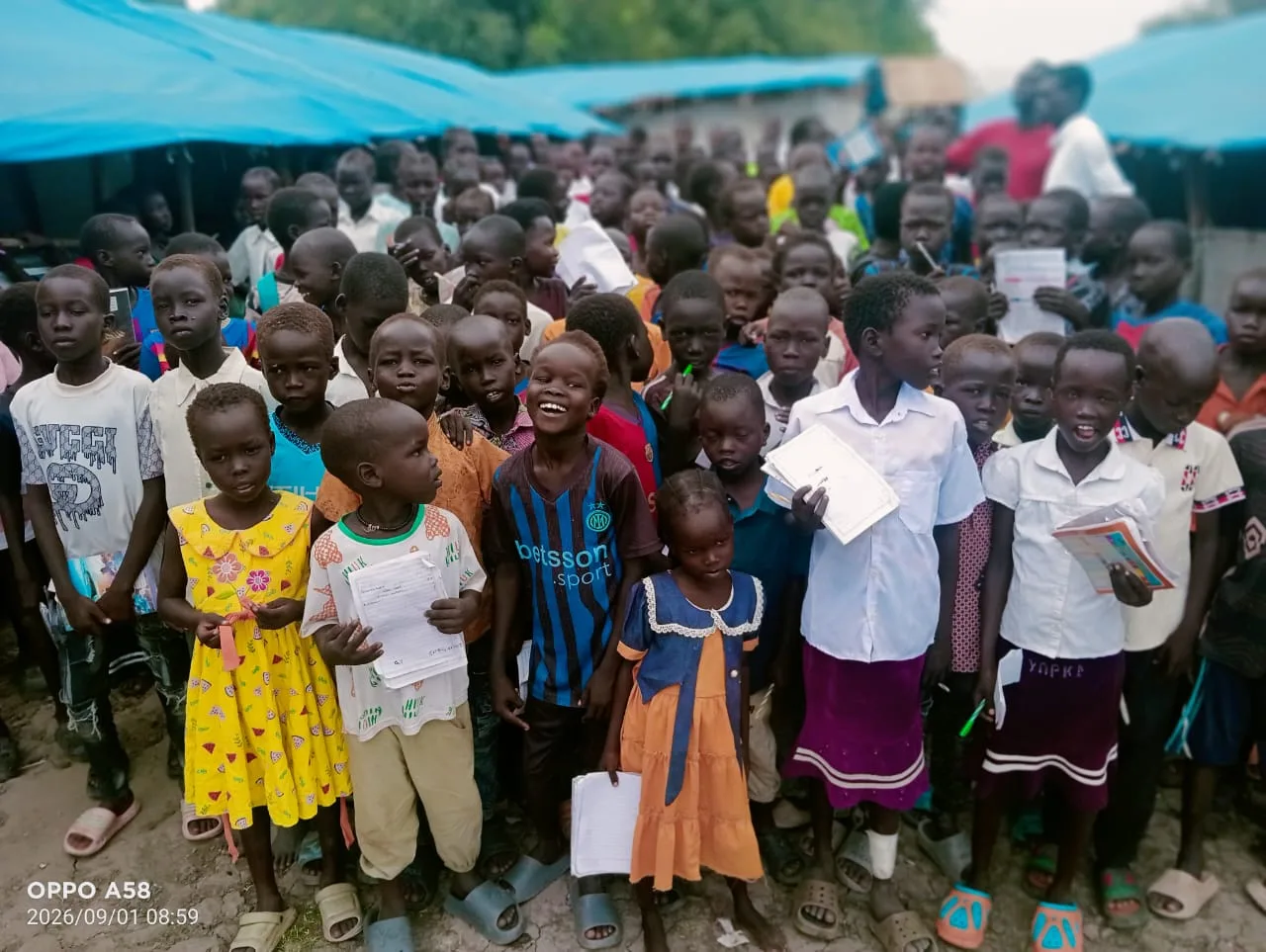
Let’s cut through the noise and focus on what actually works: the funding streams, eligibility pathways, and action steps that get refugee children into classrooms.
Related: Sustainable Education Initiatives in Conflict Zones: What Works
Understanding Scholarship Opportunities for Refugee Children’s Education
The landscape of scholarship opportunities for refugee children is evolving fast. In 2026, there are more funding pathways available than ever before, but they require strategy and persistence.
Here’s the reality: most U.S. colleges and universities don’t offer scholarships exclusively for refugee or displaced students. That’s why knowing where to look matters. The good news is that scholarships exist across multiple categories. You can access funding designed for immigrants, refugees, asylees, and DACA recipients. Many of these programs operate under the radar, so families often miss them simply because they didn’t know to search.
The UNHCR (UN Refugee Agency) operates multiple scholarship programs specifically to ensure refugee children access quality education. Their DAFI (Dreams Awake For Independence) programme is one of the most impactful, supporting refugee students pursuing tertiary education across countries with strong refugee protection standards.
Related: Best Essential Education Programs 2026: Top 5 Ranked
Related: IDP Camp Education Programs in Africa: What They Do
Related: How to Donate to Education Programs in Africa
Top Funding Pathways That Deliver Results
You need to know where the money actually flows. Here are the scholarship opportunities for refugee children’s education that are producing real outcomes:
- UNHCR Scholarship Programs: The DAFI programme provides full or partial scholarships for refugee students seeking undergraduate and postgraduate degrees. It’s competitive but worth pursuing. UNHCR also runs Connected programs and additional initiatives beyond traditional scholarships.
- TheDream.US: This organization offers dedicated scholarships for undocumented students unable to afford college. While broader in scope, many refugee youth qualify and benefit from their funding streams.
- July 2026 Nonprofit Grants: 68 new nonprofit funding opportunities recently opened up, with awards reaching USD $250,000 per grant. These are designed to support organizations working directly with vulnerable youth, including refugee children.
- College and University-Specific Programs: An increasing number of institutions are developing their own refugee scholarship initiatives. These tend to be smaller but less competitive than national programs.
- Immigrant and Refugee Category Scholarships: Many mainstream scholarship databases now include filters for refugee and immigrant students. Exploring both refugee-specific and broader immigrant categories significantly expands your options.
The key insight? Apply broadly. Given that refugee-specific options remain limited, casting a wider net across immigrant, displaced person, and socioeconomic categories increases your chances of securing funding.
How to Position Your Application for Success
Having access to scholarship information is one thing. Actually winning funding is another. Here’s what works:
Understand Your Eligibility. Eligibility requirements vary significantly by program and institution. Some scholarships require students to be enrolled at specific universities. Others require students to study in particular countries with strong refugee protection standards. Read the fine print. Bookmark UNHCR’s Opportunities portal and check it monthly for new programs aligned with your situation.
Tell Your Story. Scholarship committees fund potential. Your narrative matters. Be specific about how education will transform your life and your community. If you’re working with a school or organization, The Maale Foundation emphasizes the power of connecting individual stories to systemic change. That’s exactly what scholarship committees want to see.
Prepare Multiple Applications. Don’t rely on a single scholarship. Successful applicants typically apply to 5-10 programs. Some deadlines cluster in summer; others spread throughout the year. Create a tracking spreadsheet with deadlines, requirements, and submission status.
Build Your Support Network. Teachers, counselors, and community leaders can write strong recommendation letters. These often make the difference between a rejected and funded application. Give recommenders specific examples of your academic achievement, resilience, and leadership.
Beyond Individual Scholarships: Community-Based Solutions
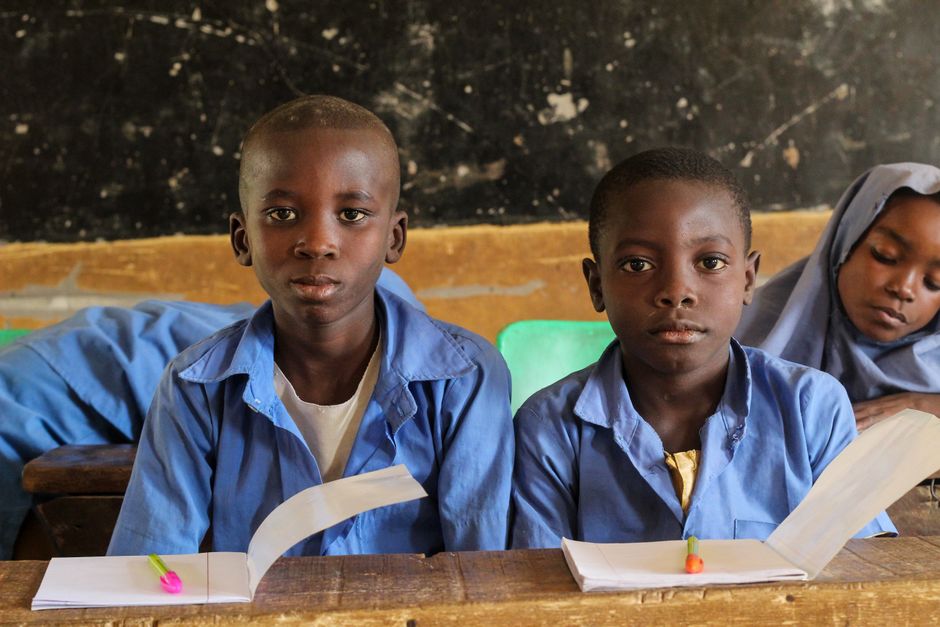
Not every refugee child needs an international scholarship to access education. Sometimes the barrier is local. Maybe there’s no classroom nearby. Maybe there are no trained teachers. Maybe safety is a concern.
That’s where organizations like The Maale Foundation step in. Building direct community partnerships, constructing safe learning spaces, developing local teachers, and offering scholarships through grassroots channels can unlock opportunity just as powerfully as international programs. In many displacement contexts, the most effective path forward combines international scholarships with local educational infrastructure.
If you’re working within a refugee community, consider both options: pursuing external scholarships for students ready for tertiary education, and simultaneously advocating for local classroom construction and teacher training that serve the broader population. This dual approach maximizes impact.
Related: Education Nonprofits Working in South Sudan: A Guide
Related: Best Volunteer Opportunities in Education Nonprofits: South Sudan 2026
Taking Action Today: Your Next Steps
You don’t need to navigate this alone. Here’s your action plan:
- Visit the UNHCR Opportunities portal and search for programs matching your country and academic level.
- Research TheDream.US and other immigrant-focused scholarship aggregators to expand your options.
- Create a spreadsheet tracking at least 5-7 scholarships with application deadlines and requirements.
- Identify recommenders and share scholarship details with them 4-6 weeks before deadlines.
- Connect with local education organizations working in your community. Many offer application coaching and support.
The scholarship opportunities for refugee children’s education are real. They require intentional searching and persistent effort, but they open doors. If you’re supporting a refugee student or leading an organization focused on this work, keep pushing forward. Education is the most powerful tool for transformation, and every application submitted increases the likelihood of access.
Frequently Asked Questions
Are there scholarships specifically for refugee children, or do I need to apply for general student aid?
Both exist. While most U.S. colleges don’t offer refugee-specific scholarships, UNHCR programs, TheDream.US, and several international universities do. However, you’ll significantly expand your options by applying across refugee, immigrant, and socioeconomic categories. Most successful applicants pursue multiple pathways simultaneously.
What makes a scholarship application stand out?
Committees fund potential and impact. Specificity matters: explain exactly how education will change your trajectory and your community. Strong recommendation letters, academic evidence, and a clear narrative about resilience and aspiration consistently outperform generic applications.
How long does the scholarship application process typically take?
Plan for 2-4 weeks per application, depending on complexity. Many require essays, transcripts, and recommender letters. International programs may take longer due to document verification. Start early and apply to multiple programs to increase your odds.
What if I don’t meet all the eligibility requirements for a scholarship?
Don’t automatically disqualify yourself. Many organizations list “preferred” rather than “required” qualifications. Contact the program directly and ask. Sometimes partial eligibility or alternative pathways exist. Persistence pays off.