Sustainable Education Initiatives in Conflict Zones: What Works
Education doesn’t stop when conflict begins. In fact, it becomes even more critical.
When kids are caught in the middle of violence, a classroom isn’t just a place to learn math and reading. It’s a safe haven. It’s hope. It’s a reason to believe in tomorrow. But building and sustaining quality education in conflict zones takes serious strategy, commitment, and community partnership.
If you’re wondering how sustainable education initiatives actually work in these challenging environments, you’re asking exactly the right question. Let’s break down what makes these programs succeed and how organizations like The Maale Foundation are creating real change.
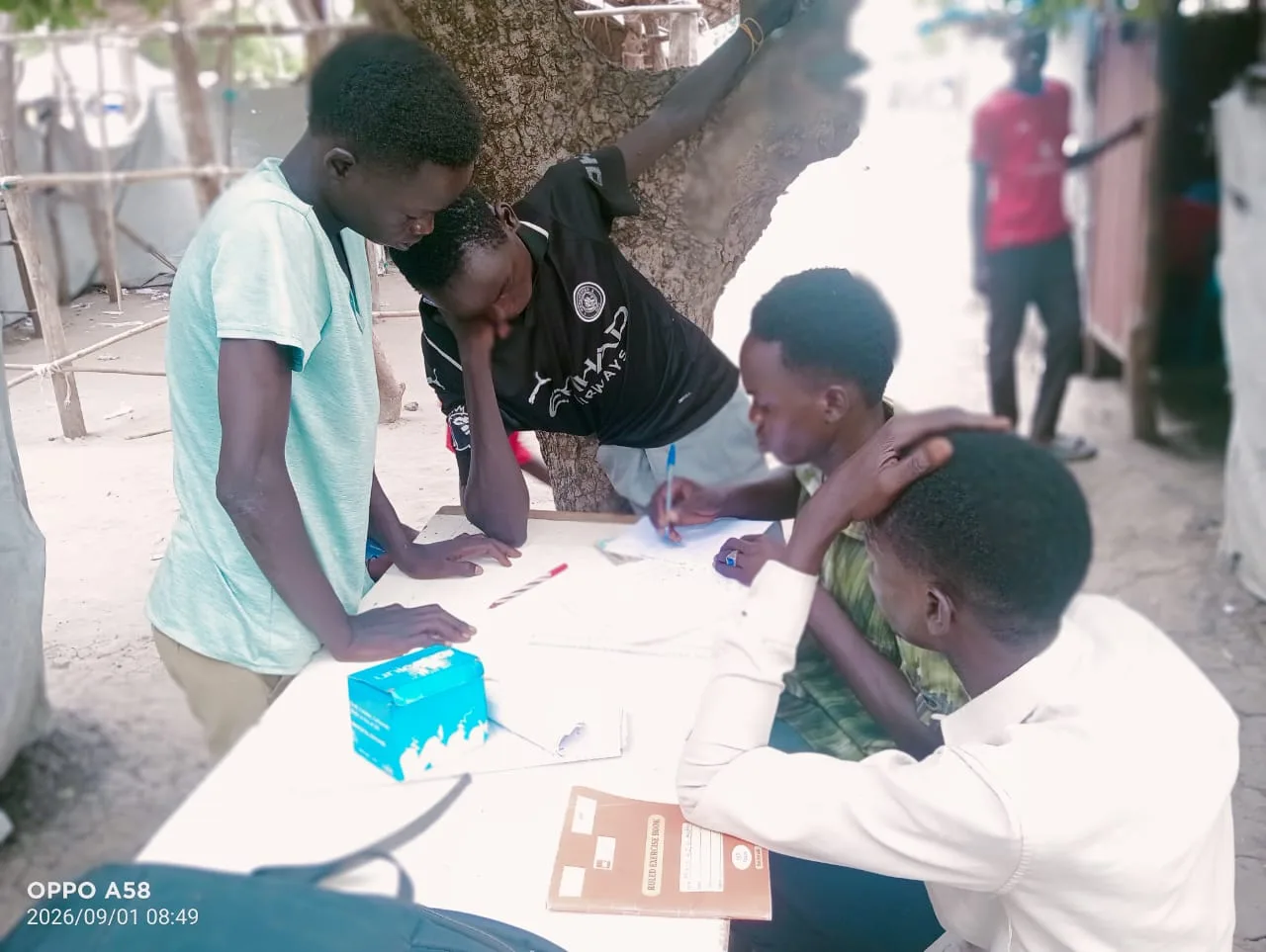
Why School Safety Is the Foundation
Here’s the hard truth: before you can teach anything, kids need to feel safe enough to walk through the classroom door.
In conflict zones, protecting the education system itself is foundational. That means physical security, of course, but also emotional safety. Students carrying trauma need teachers who understand them. They need spaces that feel separate from the violence happening outside those walls.
Sustainable education initiatives start by addressing these protection basics. This includes building classrooms that can withstand threats, establishing security protocols, and training educators to recognize and support traumatized students.
When The Maale Foundation works in South Sudan, safety comes first. Every classroom design considers the local context. Every teacher gets training on creating trauma-informed learning environments.
Building Long-Term Investment Over Quick Fixes
It’s tempting to think education aid is as simple as shipping in textbooks and calling it done. It’s not.
Real sustainable education initiatives require substantial, long-term investment in building communities that place education at the center. Quick fixes fail because they don’t address the root issues: teacher shortages, crumbling infrastructure, limited resources, and poverty.
When preventative efforts fail and conflict erupts, organizations that succeed focus on prevention and resilience for the next generation. This means:
- Training and supporting teachers year after year
- Building actual school infrastructure that lasts
- Creating scholarship programs so poor kids can afford to attend
- Partnering with local communities so programs reflect what families actually need
Think of it like this: a donated shipment of supplies might help for a semester. A trained teacher who stays in your community for years? That transforms lives.
Related: How to Donate to Education Programs in Africa
Related: Best Essential Education Programs 2026: Top 5 Ranked
Related: IDP Camp Education Programs in Africa: What They Do
Aligning with Global Goals Like the UN SDG Framework
The United Nations Sustainable Development Goals (SDGs) aren’t abstract policies. They’re a framework that actually works on the ground.
Target 4 focuses on ensuring inclusive, equitable quality education and lifelong learning opportunities. In conflict zones, this takes on special meaning. Education programs that succeed integrate peacebuilding objectives directly into what kids learn.
Related: Best Scholarship Opportunities for Refugee Children’s Education
When education explicitly teaches conflict resolution, respect for differences, and how to rebuild trust across divided communities, it stops being just academics. It becomes an investment in peace itself.
UNESCO’s Education for Sustainable Development (ESD) for 2030 programme is one major resource offering policy guidance, technical support, and on-the-ground project implementation. Organizations working in this space use these frameworks to align their work with proven global standards.
Related: Education Nonprofits Working in South Sudan: A Guide
Multi-Sector Partnerships: When Nonprofits, Communities, and Partners Work Together
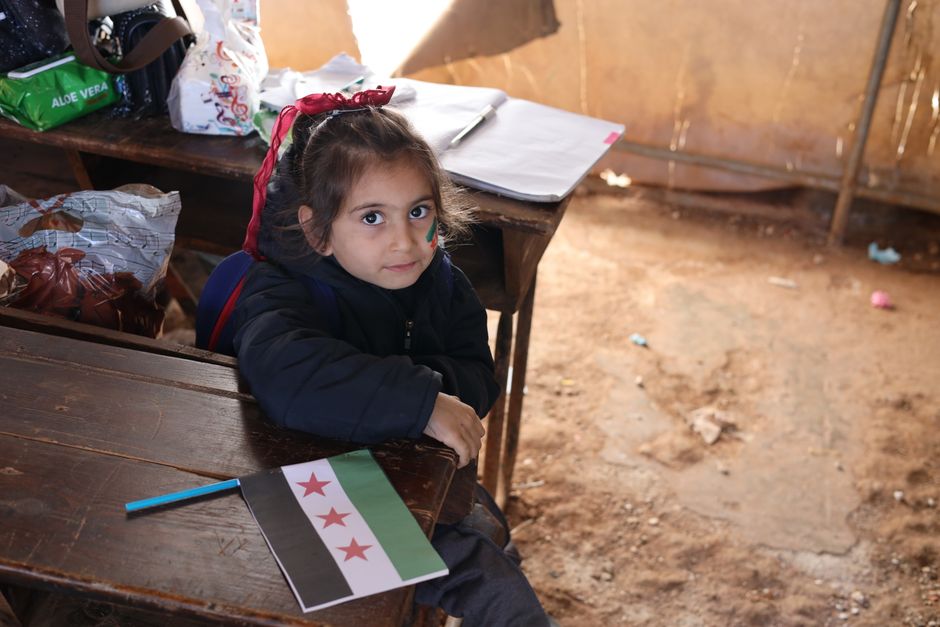
The most effective sustainable education initiatives aren’t built by a single organization acting alone.
They combine nonprofits, corporate partnerships, community-driven programs, and local leadership to create something that actually sticks. When a local community leads the effort and external organizations support that vision, the program survives and grows.
Here’s what partnership looks like in practice:
- Local leaders identifying what their kids actually need
- Nonprofits providing expertise and resources
- Companies offering technical support or CSR funding
- Teachers and parents guiding every decision
The Maale Foundation operates using this exact model. We partner directly with communities in South Sudan rather than imposing solutions from outside. We build classrooms. We develop teachers. We offer scholarships. But we do it because families tell us that’s what they need.
Knowledge Sharing and Evidence-Based Approaches
Too many organizations run excellent programs but keep the lessons to themselves.
Sustainable education initiatives require active knowledge sharing. When we know what works, we need to publish it, discuss it, and let other organizations learn from it. This spreads good practices faster and helps policy makers make informed decisions.
The Maale Foundation believes transparency matters. We track outcomes. We measure impact. We share what we learn because the goal isn’t our success. It’s the success of every kid in South Sudan who deserves a safe, quality education.
When organizations produce and share evidence-based knowledge about what actually works in conflict zone education, it informs better programming everywhere. That’s how whole systems improve.
Creating Spaces Where Hope Actually Takes Root
At the end of the day, sustainable education initiatives in conflict zones are about one thing: giving kids a reason to believe tomorrow can be better than today.
A safe classroom. A trained teacher. A scholarship that opens doors. These aren’t luxury items. They’re the foundation of peace.
If you care about supporting education in places where it matters most, start by learning how organizations committed to this work operate. You’ll find organizations doing extraordinary things with limited resources, driven purely by the belief that every child deserves access to quality learning, no matter where they’re born.
What is the biggest barrier to education in conflict zones?
Safety and stability rank first. When kids can’t get to school safely and teachers can’t focus because of violence, education collapses. That’s why sustainable initiatives always begin with creating secure learning environments and supporting trauma-informed teaching practices.
How long does it take to see results from education programs in conflict zones?
Small wins happen in the first year (better attendance, improved school attendance rates). Real transformation—kids completing secondary school and heading to work or college—takes 5-10 years. This is why long-term commitment and funding are non-negotiable.
Who funds sustainable education initiatives in conflict zones?
A mix of international organizations, private foundations, individual donors, corporate partnerships, and government grants. The most successful programs are funded by multiple sources so they don’t collapse if one funding stream ends.
Can education actually help resolve conflict?
Absolutely. When education teaches kids about each other’s perspectives, builds critical thinking, and creates safe spaces for dialogue, it becomes a peacebuilding tool. The Maale Foundation integrates peacebuilding into curriculum design because we know education shapes the leaders of tomorrow.