How Education Helps Children in Crisis: A Complete Guide
When children are in crisis, one of the most powerful tools we have isn’t medicine or money. It’s education. Here’s the truth: education helps children in crisis by giving them stability, building their resilience, and creating safe spaces where they can process what they’re going through. It sounds simple, but the impact runs deep.
A child experiencing trauma or living in an unstable environment needs more than just survival. They need structure. They need to feel safe. They need adults who believe in them. School can be all three of those things, and that’s why The Maale Foundation is so committed to expanding access to quality education in regions where children face the most uncertainty.
Related: Best Ways to Give Education to Children in Need 2026
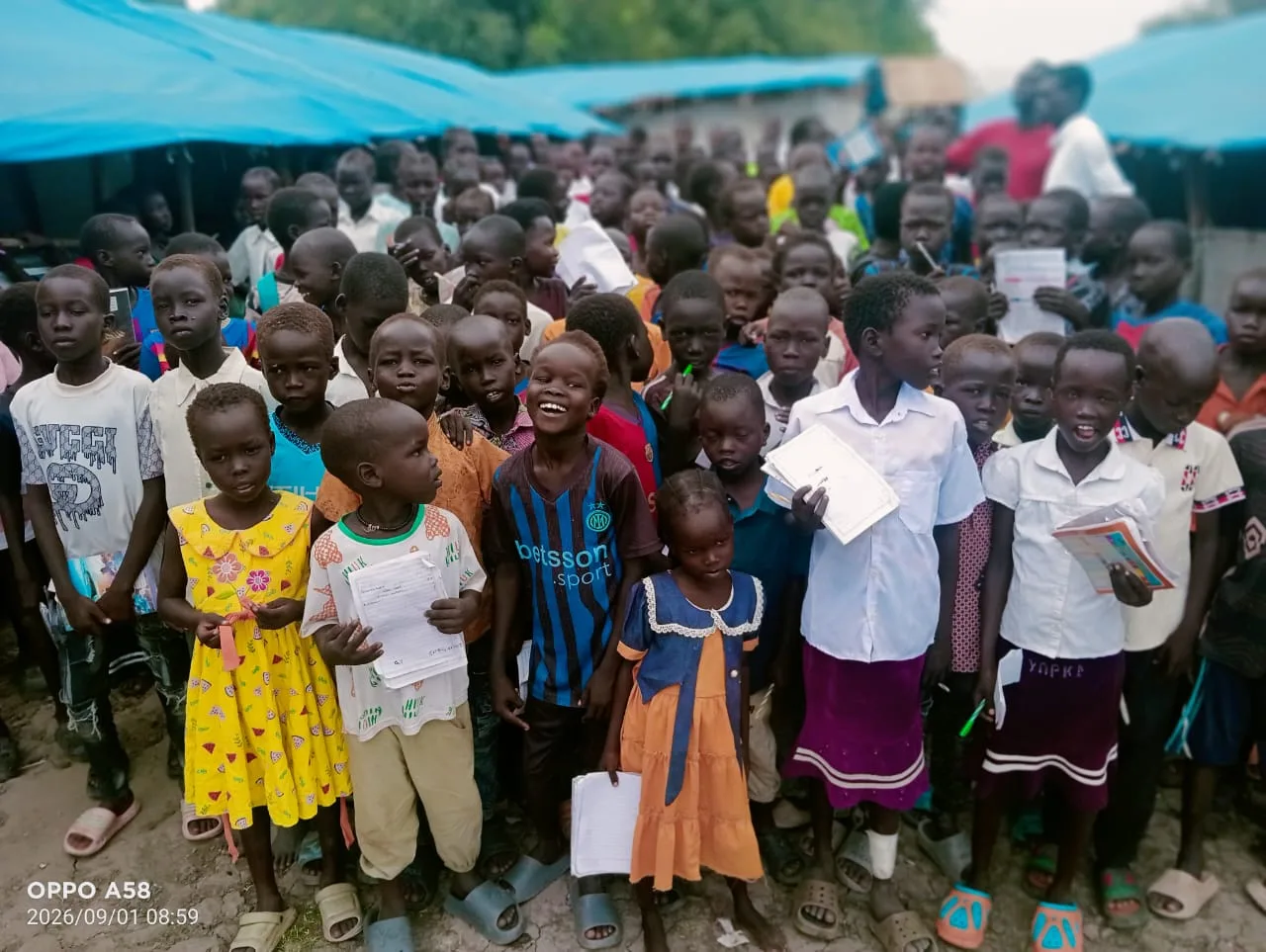
Education Provides Stability When Everything Else is Chaos
Crisis is unpredictable. One day a child doesn’t know where they’ll sleep. The next day, they don’t know if they’ll eat. Their world feels like it’s constantly shifting beneath their feet.
But school? School is predictable. The classroom is there. The teacher shows up. The same lessons happen on the same days. For a child whose life is chaotic, that routine becomes an anchor. It tells them: “This one thing is constant. I can count on this.”
That consistency matters more than you might think. When a child can predict what happens next, their nervous system calms down. They’re not in constant fight-or-flight mode. They can actually think, learn, and grow instead of just trying to survive the day.
Education Builds Resilience and Coping Skills
Children in crisis need tools to handle what they’re facing. Education teaches those tools, often in ways that don’t feel like teaching at all.
A good classroom helps kids build resilience through:
- Social-emotional learning: Kids learn to name their feelings, manage anger, and talk through problems instead of acting out.
- Positive relationships: When a teacher believes in a child, that belief becomes armor. It helps them believe in themselves.
- Small wins: Learning to read, solving a math problem, finishing a project. These tiny victories rebuild confidence that crisis has shattered.
- Community: Sitting alongside other kids, feeling like part of a group, knowing you’re not alone in your struggle.
These aren’t just nice things that happen at school. They’re survival skills disguised as education.
Mental Health Support Embedded in School Environments
Here’s something that often gets overlooked: children in crisis rarely have access to mental health support. They don’t have counselors. They don’t have therapists. But they do come to school.
Schools can fill that gap. When counseling and mental health services are built into the school day, kids get help without the stigma or the logistics of finding a separate clinic. They talk to someone they trust, in a place they already go.
This doesn’t require a full-time psychiatrist on staff. It means training teachers to recognize trauma, equipping them to respond with compassion, and having at least one person in the school whose job includes checking in on kids who are struggling. It means creating space for conversation, not just lecture.
Organizations like The Maale Foundation understand this. They invest in teacher training specifically designed to help educators support children through crisis while keeping the classroom running.
Education Keeps Learning Going Even When Crisis Doesn’t Stop
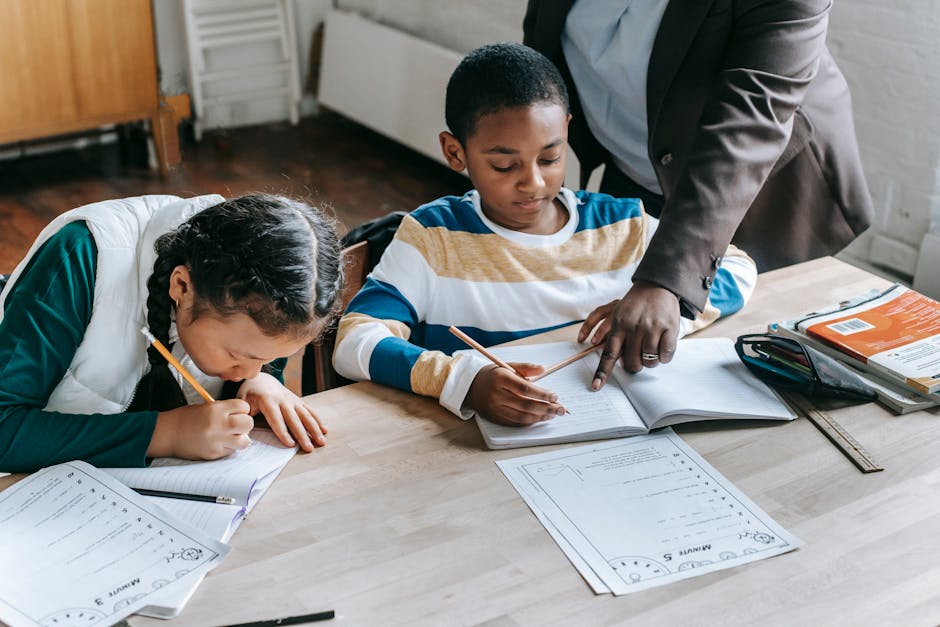
One of the cruelest things about crisis is that it doesn’t pause for school. A child might be displaced, grieving, hungry, or afraid, and they’re still supposed to learn algebra.
The answer isn’t to give up on education. It’s to adapt it. Schools can:
- Adjust expectations without lowering standards
- Offer flexible schedules so kids can also work or care for siblings
- Provide meals that address hunger so kids can actually concentrate
- Create catch-up programs for kids who’ve missed months of school
- Use teaching methods that work with crisis-affected brains, not against them
When schools do this, they send a powerful message: “Your education matters. Your future matters. We’re not giving up on you even though things are hard right now.”
Restorative Practices Replace Punishment
Kids in crisis often act out. They’re angry, scared, and they don’t have healthy ways to show it. If a school’s answer is suspension or punishment, that kid gets pushed further away.
Restorative practices work differently. Instead of “You broke the rule, here’s your punishment,” the approach is “What happened? Why did it happen? How do we fix it?”
This teaches kids accountability while keeping them in school. It builds relationships instead of burning them. And for a child who’s already lost so much, that matters.
Teacher Training Makes Everything Work
Here’s the secret: none of this happens without teachers who know what they’re doing.
Educators in crisis-affected regions face extra challenges. They’re teaching kids who’ve experienced trauma. They might not have textbooks. They might be dealing with their own hardship. Without proper training, they’ll burn out.
That’s why crisis-informed teacher training is essential. It teaches educators:
- How trauma affects learning and behavior
- How to create a classroom that feels safe
- How to respond to a child’s outburst with compassion instead of punishment
- How to take care of their own mental health so they can show up for their students
When teachers are equipped, everything shifts. They become not just educators, but stable figures in their students’ lives. Organizations committed to this work, like The Maale Foundation, know that investing in teachers is investing in every child they teach.
Education Connects to Healthcare and Other Support Systems

School can’t solve every problem a child in crisis faces. But it can be a hub that connects them to other help.
A school that’s truly supporting children in crisis coordinates with:
- Health clinics that can treat physical illnesses and injuries
- Social services that can help with food, shelter, or legal issues
- Family support programs that help parents get back on their feet
- Community organizations offering extra tutoring, job training, or mentorship
Education isn’t just about reading and writing. It’s the doorway through which we can reach children and connect them to everything else they need.
Related: Education Programs for Refugee Children in South Sudan
How You Can Support Education for Children in Crisis
Knowing how much education matters is one thing. Actually making it happen in regions where children are most vulnerable is another.
Related: Supporting Vulnerable Children Through Education: A Complete Guide
Related: Education Nonprofits Working in South Sudan: A Guide
Related: What Is Education? A Complete Guide to Learning & Growth
Whether you’re looking to donate, volunteer, or learn more about the impact of education in crisis zones, The Maale Foundation works directly with communities to build classrooms, develop teachers, offer scholarships, and create the safe learning spaces that children desperately need.
Frequently Asked Questions
Why is education so important for children in crisis?
Education provides stability, hope, and practical skills during chaos. It creates safe spaces where children can process trauma, build relationships with caring adults, and develop resilience. For many children in crisis, school is the most predictable and supportive part of their day.
Can schools really help with mental health issues?
Yes. When schools embed counseling support and train teachers in trauma-informed practices, they become powerful mental health resources. Many children in crisis have no other access to mental health services, so school-based support can be life-changing.
What happens if a child misses a lot of school during a crisis?
Flexible scheduling, catch-up programs, and adapted expectations help children reintegrate. Schools that are set up for crisis-affected students can meet kids where they are and help them get back on track without shame or pressure.
How do teachers handle classroom disruptions from children experiencing trauma?
Teachers trained in restorative and trauma-informed practices respond to disruptions with curiosity and compassion instead of punishment. They ask what’s going on, help the child process it, and rebuild the relationship. This keeps kids in school and helps them learn emotional regulation.