What Is Education? A Complete Guide to Learning & Growth
Education is the transmission of knowledge and skills alongside the development of character traits that help you grow as a person. It’s not just about memorizing facts or passing tests. Real education shapes who you are, how you think, and what you’re able to do with your life.
When you think of education, you might picture a classroom with desks and a teacher at the front. That’s part of it. But education happens everywhere: at home, in your community, through experiences, and through relationships with people who challenge and inspire you. It’s the foundation that opens doors to opportunity, helps you understand the world, and gives you the tools to build a better future for yourself and your community.
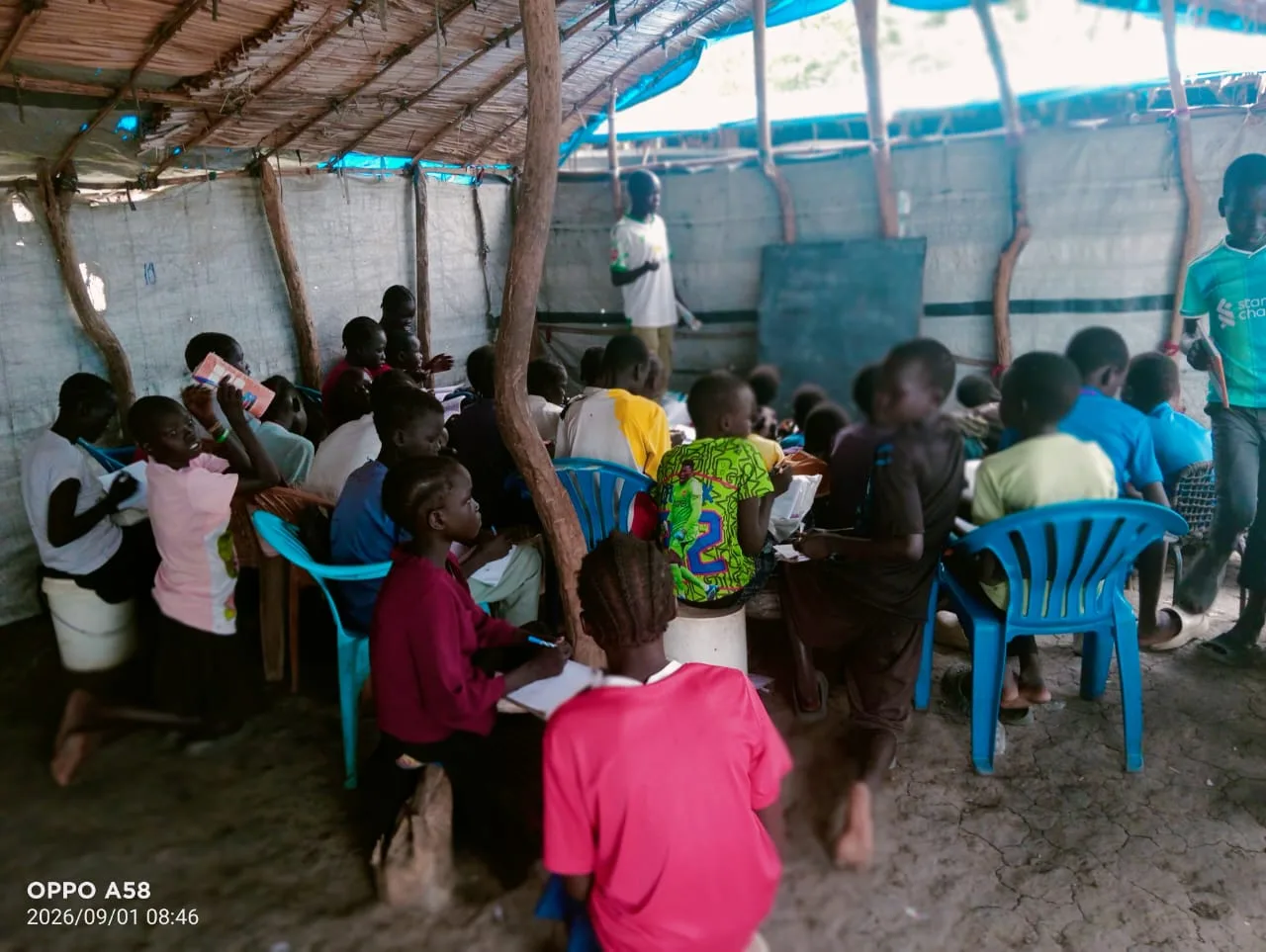
If you want to understand how education truly transforms lives, especially for young people facing real hardship, The Maale Foundation is doing powerful work in South Sudan—building classrooms, training teachers, and creating safe learning spaces where vulnerable children can access quality education and hope for a brighter tomorrow.
Related: Social Emotional Learning Books: A Guide for Kids & Teachers
Related: Learning Styles: Find Your Best Way to Learn
Related: Best Learning Approaches for Social Impact Work
Related: Supporting Vulnerable Children Through Education: A Complete Guide
Related: Universal Design for Learning: A Practical Guide
The Core Elements of Education
Education has several key pieces that work together. Understanding these helps you see why education matters so much.
Knowledge transmission. This is the obvious part: learning facts, concepts, and information across subjects like math, language, science, and history. But knowledge alone isn’t enough. You also need to know how to use what you learn.
Skill development. Education teaches you how to do things: read, write, solve problems, communicate clearly, work with others, and adapt when things get tough. These skills are what actually get you jobs and help you handle life’s challenges.
Character development. This is the part that often gets overlooked. Education shapes your values, your resilience, your empathy, and how you treat others. It builds integrity and helps you become someone who contributes positively to their community.
Critical thinking. Real education teaches you to ask questions, think for yourself, and evaluate information instead of just accepting what you’re told. This skill matters in everything from school decisions to career choices to understanding your community.
Why Education Matters for Vulnerable Children and Youth
Education isn’t a luxury. For vulnerable children and youth, it’s a lifeline. When kids don’t have access to quality education, their options shrink. Poverty cycles continue. Hope fades.
But when a child gets a real education, everything changes. They can imagine different futures. They develop confidence. They gain skills that lead to better jobs and stronger communities. They learn to think critically about their own circumstances and how to improve them.
This is especially critical in places where schools are underfunded, teachers are underqualified, or classrooms don’t even exist yet. Many children and youth around the world face these realities every single day. They want to learn, but the system isn’t there to support them.
The Maale Foundation focuses on this exact challenge: building the infrastructure of education where it’s missing. They partner directly with local communities to construct classrooms, develop teachers through training and support, offer scholarships to students who couldn’t otherwise afford school, and create safe learning spaces where vulnerable youth can actually thrive.
The Different Levels of Education
Education exists in different forms and levels, each building on the last.
Informal education. This is learning that happens outside formal systems: a parent teaching a child to cook, a mentor sharing job advice, community members passing down traditions or skills. It’s real, valuable, and happens everywhere.
Formal education. This operates within structured institutional frameworks like schools, colleges, and universities. Formal education follows a curriculum, has trained educators, and typically results in credentials or certificates. It’s organized, measurable, and recognized across communities.
Non-formal education. This is the middle ground: organized learning outside traditional schools, like workshops, vocational training, youth programs, or community classes. It’s flexible and often targeted at specific skills or groups.
Most people benefit from a mix of all three. You learn some things in school, some things from life experience, and some things through intentional community programs. The best education systems make sure all three kinds of learning are accessible.
Building Educational Access in Your Community

If you care about education in your community, you probably wonder what actually works. How do you help? Where do you start?
First, recognize that education access isn’t just about having schools. It’s about having quality teachers, safe learning spaces, learning materials, and systems that keep vulnerable kids in school instead of pushing them out.
Second, understand that real educational change happens through local partnership. When organizations work directly with communities to understand their needs, respect their context, and build solutions together, that’s when transformation happens. Top-down approaches fail. Communities know what their kids need.
Third, invest in teacher development. Teachers are the backbone of education. When teachers are trained, supported, and valued, students thrive. It’s that simple.
If you’re looking to make a real difference in education for vulnerable children and youth, The Maale Foundation shows what direct, community-centered impact looks like: building classrooms, training teachers, offering scholarships, and creating safe spaces where education becomes the foundation for hope and opportunity.
Education as a Right, Not a Privilege
Here’s something important: education should be a right, not a luxury only some kids get. When education access depends on how much money your family has, or where you were born, or what your circumstances are, that’s a problem we need to fix.
Every child deserves the chance to learn, develop skills, build character, and imagine a better future. This isn’t soft idealism. This is practical: communities with better education are stronger, safer, and more prosperous. When vulnerable youth get real educational opportunity, they break cycles of poverty and contribute more to their communities.
The work of building equitable education takes commitment, resources, and genuine partnership with the people who know these communities best. It’s not quick or easy. But it’s absolutely necessary.
Why do some children miss out on education?
Children miss education for many reasons: poverty (families can’t afford fees or need kids to work), distance (schools are too far away), lack of infrastructure (no classrooms exist), safety concerns, or systems that exclude vulnerable populations. In conflict-affected areas like South Sudan, these barriers multiply, and formal education can become nearly impossible to access.
What’s the difference between education and schooling?
Schooling is the formal institution: the building, the curriculum, the grades. Education is bigger: it’s the entire process of gaining knowledge, skills, and character development. You can have schooling without real education if the quality is poor, and you can have education without schooling through community learning and mentorship. Ideally, quality schooling delivers quality education.
How does education change communities?
When more people have access to quality education, communities see measurable improvements: youth stay in school longer and pursue better opportunities, adults gain skills for better employment, families understand health and safety better, and communities build stronger problem-solving capacity. Education creates ripple effects across generations.
Who is responsible for making sure children get educated?
It’s shared responsibility. Governments have a role in ensuring equitable access through public systems. Communities have a role in supporting and valuing education. Families prioritize learning. And nonprofit organizations like The Maale Foundation fill gaps by building infrastructure, training teachers, and removing barriers so vulnerable children actually get the chance to learn.