Supporting Vulnerable Children Through Education: A Complete Guide
Supporting vulnerable children through education is one of the most direct ways you can change a life forever. When a child who’s been left behind by circumstances gets access to quality schooling, they don’t just learn to read and write. They gain hope. They build confidence. They see a future for themselves that wasn’t visible before.
But here’s the thing: vulnerable children in conflict-affected and underserved regions often don’t have access to basic education at all. The barriers are real. There’s no classroom. There’s no teacher trained to help traumatized students. There’s no safe space to learn. And without someone stepping in to change that, these kids’ potential gets locked away forever.
That’s why The Maale Foundation works directly with communities in places like South Sudan to build the educational infrastructure vulnerable children desperately need. Let’s walk through what supporting vulnerable children through education actually looks like, and how you can be part of it.
What Does Supporting Vulnerable Children Through Education Actually Mean?
It’s more than just handing out textbooks. Supporting vulnerable children through education means building a complete system that addresses their specific needs.
These kids often carry trauma. Many have lost parents. Some have been displaced by conflict. Others live in extreme poverty. A traditional classroom won’t work for them without thoughtful, intentional support.
Real support includes:
- Building safe, functional classrooms where learning can actually happen
- Training teachers who understand trauma and know how to teach children who’ve experienced crisis
- Providing scholarships so poverty doesn’t stop a child from attending
- Creating spaces where kids feel protected and valued, not judged
- Connecting education to real skills that lead to jobs and independence
When you support vulnerable children through education, you’re essentially saying: “Your past doesn’t define your future. You deserve a shot at something better, and I’m going to help make sure you get it.”
Why Education Changes Everything for Vulnerable Children
Education isn’t a luxury for kids in crisis zones. It’s a lifeline.
When vulnerable children get access to quality education, they experience transformation at every level. Research from UNICEF consistently shows that education gives marginalized youth the agency to change their circumstances and build better futures for themselves and their communities.
Here’s what actually happens:
- Children develop confidence and see possibilities they didn’t see before
- They build critical thinking skills that help them solve problems in their own lives
- They connect with other kids and adults who believe in them
- They learn vocational skills that lead to employment opportunities
- They become leaders in their communities who can help other vulnerable young people
And here’s the part that’s easy to miss: when you educate vulnerable children, you’re not just changing individual lives. You’re building stronger, more resilient communities. Educated young people stay in their regions and help rebuild them. That’s long-term impact.
Step-by-Step: How to Support Vulnerable Children Through Education
If you’re wondering how to actually get involved, here are the practical ways you can make a real difference:
Step 1: Understand the specific barriers in your target region
Vulnerable children in different places face different obstacles. In conflict zones, it might be lack of safe buildings. In rural areas, it might be no trained teachers available. In extreme poverty pockets, it might be that families need kids to work instead of study.
Before you donate or volunteer, learn what the actual barrier is. That’s how you direct your energy where it matters most.
Step 2: Find organizations actually working on the ground
Not all education nonprofits are the same. Some focus on infrastructure. Some train teachers. Some offer scholarships. Some do all three.
Look for organizations that:
- Work directly with local communities (not imposing outside solutions)
- Show transparent results and real metrics
- Operate in the specific regions where vulnerable children need help most
- Address both basic education AND vocational skills development
The Maale Foundation operates in South Sudan’s most underserved regions, building classrooms, training teachers, offering scholarships, and creating safe spaces specifically designed for vulnerable children and youth. That’s the kind of integrated approach that actually works.
Step 3: Decide how you want to contribute
Supporting vulnerable children through education doesn’t have to look the same for everyone. You might:
- Donate to fund classroom construction or teacher training programs
- Sponsor a child’s education directly through a scholarship program
- Volunteer your skills if you’re a teacher, counselor, or educator
- Advocate in your network for the importance of education in crisis zones
- Partner with your business or organization to fund larger initiatives
Step 4: Track the impact
Real support means real accountability. Ask the organizations you work with: How many kids got scholarships? How many teachers were trained? Are kids actually showing up to school? Are they learning? What’s happening after they finish primary education?
Related: What Is Education? A Complete Guide to Learning & Growth
Transparency matters. You’re not just giving money. You’re investing in transformation.
The Multi-Track Approach That Actually Works
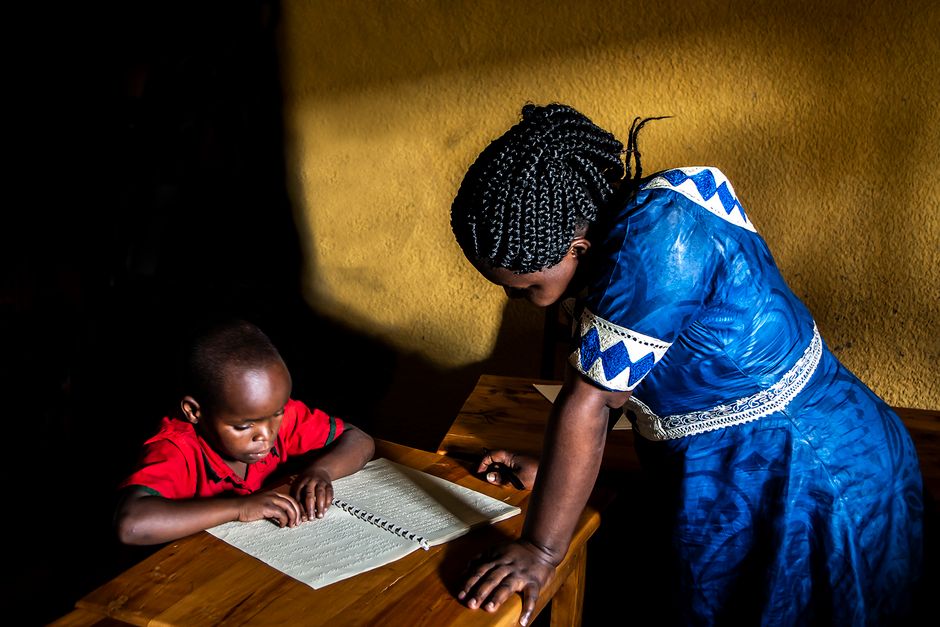
Here’s what organizations focused on supporting vulnerable children through education have learned: you can’t just pick one solution and call it done.
Vulnerable children need:
- Quality basic education (reading, writing, math, critical thinking)
- Vocational and skills training that prepares them for actual jobs
- Psychological support and trauma-informed teaching
- Community involvement and family engagement
- Safe spaces where they’re protected from further harm
When you put all these pieces together, that’s when real change happens. Kids don’t just pass exams. They become confident young adults ready to contribute to their communities.
Building Sustainable Change in Your Community
One of the biggest mistakes people make when supporting vulnerable children through education is thinking of it as a one-time gift. “I’ll donate once and feel good.”
But real transformation takes time. You’re not just building a school. You’re building a system. You’re training teachers who’ll teach for decades. You’re opening doors for kids whose entire family line might change because of what they learn.
That’s why the most impactful supporters think about vulnerable children through education as an ongoing partnership, not a transaction. The Maale Foundation works with donors and community partners over years, not months, because sustainable change in education requires that commitment.
If you’re serious about supporting vulnerable children, think about:
- Monthly giving programs instead of one-time donations
- Long-term partnerships with specific organizations and specific regions
- Sharing your support story with others so more people get involved
- Staying connected to the outcomes and celebrating the wins
Why This Matters Right Now
In 2026, millions of vulnerable children still don’t have access to quality education. Conflict displaces kids. Poverty blocks their access. Climate crises create new barriers every year.
But the need also means there’s tremendous opportunity for impact right now. Every child you help educate today is a leader, a parent, a community builder for decades to come. That multiplier effect is real.
Supporting vulnerable children through education isn’t complicated. It’s about connecting kids who need a shot with people, organizations, and systems that can give them one. It’s about believing that where you’re born and what’s happened to you doesn’t determine your entire future.
Getting Started Today

Ready to make a difference? Start by learning more about how education actually transforms vulnerable children’s lives. Research organizations that align with your values. Pick one way to contribute, whether that’s donating, volunteering, or partnering.
Then show up consistently. That’s what creates real change.
If you want to see how a community-based, comprehensive approach to supporting vulnerable children through education works in practice, explore The Maale Foundation’s programs in South Sudan. They’re doing exactly this work: building classrooms, training teachers, offering scholarships, and creating safe learning spaces where vulnerable children can actually thrive.
How much does it cost to support a vulnerable child’s education for a year?
It depends on what kind of support we’re talking about. A scholarship for basic schooling in a developing region might cost anywhere from $100-$500 per child per year. Building a classroom might cost $5,000-$15,000 depending on materials and labor costs in the region. Teacher training programs might cost $500-$2,000 per teacher. Most organizations offer various levels of support so donors can choose what fits their budget.
What makes education especially important for vulnerable children compared to other interventions?
Education is unique because it addresses both immediate needs and long-term transformation. It gives vulnerable children safe spaces right now, but it also equips them with skills, confidence, and opportunities that shape their entire future. Other interventions might provide food or shelter, which matter. But education is the pathway to independence and agency. It’s the difference between helping a child today and helping them help themselves for life.
Can I support vulnerable children through education if I don’t have a lot of money?
Absolutely. You don’t need to be wealthy to make a real difference. Start with whatever you can: $5, $10, $20 monthly. Share your commitment on social media and inspire others. Volunteer your skills if you’re a teacher or professional. Advocate for education funding in your workplace or community. Organizations like The Maale Foundation work with donors at every level because every contribution adds up.
How do I know if an organization supporting vulnerable children through education is actually effective?
Look for transparency. Real organizations share specific metrics: How many classrooms built? How many teachers trained? How many scholarships given? What percentage of kids are actually attending school? What are their learning outcomes? Ask about challenges too. No program is perfect, and organizations honest about problems are usually more trustworthy. Also check if they work with local communities as partners, not just recipients of aid. That’s a strong sign they’re thinking about sustainability.