Provide Textbooks to South Sudan Schools: A Complete Guide
Providing textbooks to South Sudan schools is one of the most direct ways you can transform education for vulnerable children and youth who have limited access to learning materials. Many schools in South Sudan operate without enough books, forcing teachers to work from memory and students to learn without foundational resources. If you’re looking to make a real difference, providing textbooks is a concrete, impactful step that puts quality education within reach.
The good news? There are proven, practical ways to do this. Whether you’re an individual donor, a corporate partner, or someone passionate about education in South Sudan, you can help bridge this gap. Let’s walk through exactly how to provide textbooks to South Sudan schools and maximize the impact of your contribution.
Related: Best Organizations Supporting Girls’ Education in South Sudan 2026
Understanding the Textbook Gap in South Sudan Schools
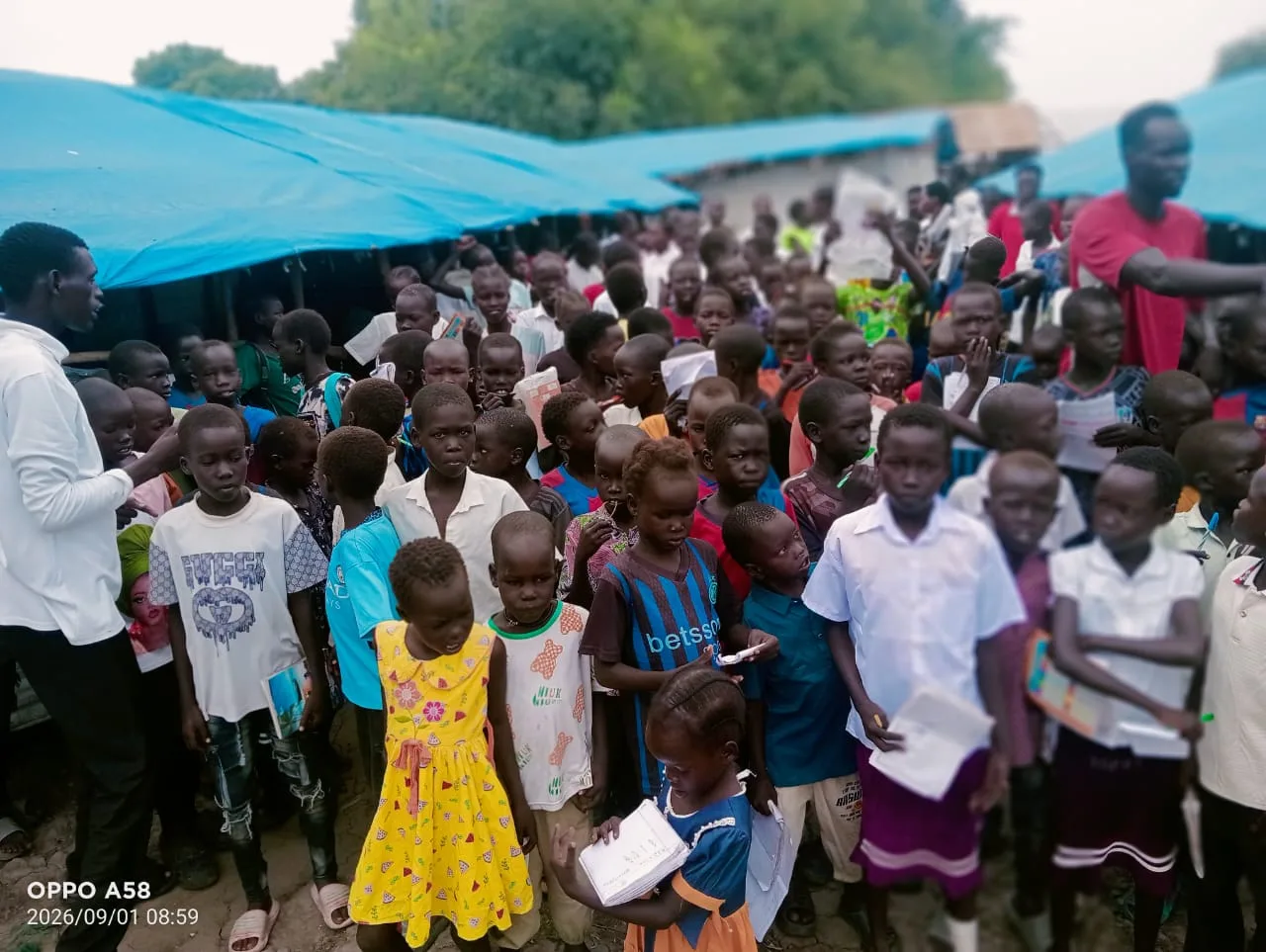
South Sudan’s education system faces real challenges. Many schools lack basic resources, including textbooks aligned with the national curriculum. Students often share single copies of books or learn without any printed materials at all. This creates a huge disadvantage for kids trying to build reading skills and master core subjects.
The shortage isn’t random. Rural schools and schools serving the most vulnerable populations face the biggest gaps. When you provide textbooks to South Sudan schools, you’re directly addressing this inequality and giving every child a fair chance to learn.
How to Provide Textbooks to South Sudan Schools: Step-by-Step
Here’s the realistic approach to making this happen:
Step 1: Identify Which Schools Need Textbooks Most
Start by connecting with organizations on the ground in South Sudan who know which schools are most underserved. Schools in remote areas, schools serving internally displaced children, and schools in conflict-affected regions typically face the biggest shortages. You don’t want to guess which schools need help most—you want to work with people who know the community.
The Maale Foundation works directly with local communities in South Sudan to understand their specific education needs and identify priority schools for resource distribution.
Related: Community Based Education Initiatives in South Sudan: A Guide
Step 2: Source Textbooks Aligned with South Sudan’s Curriculum
This is critical. Textbooks need to match South Sudan’s national curriculum standards. Random books or outdated materials won’t help students progress in their studies. Look for primary-level textbooks that align with government-approved learning objectives.
You have options here. Some organizations coordinate donations of new textbooks. Others work with publishers to source curriculum-aligned materials at reduced costs. The key is quality over quantity—one good textbook is worth more than five mismatched books.
Step 3: Plan for Physical Infrastructure
Books are only useful if students can access them. Many South Sudan schools benefit from reading rooms or reading corners—dedicated spaces where books are organized, protected, and available during the school day. Before you provide textbooks to South Sudan schools, think about where they’ll be stored and how teachers will manage distribution.
Related: Best Teacher Professional Development for South Sudan Schools
This might mean working with the school to set up a simple library corner, shelving, or a system for tracking books. It sounds small, but it makes a huge difference in how many kids actually get to use the materials.
Step 4: Bundle Textbooks with Teacher Training
Here’s something people often miss: textbooks are most effective when teachers know how to use them well. Pairing textbook distribution with teacher professional development ensures that educators can maximize the materials and create engaging lessons. Teachers might need training on how to use textbooks alongside other teaching methods or how to help students who are reading below grade level.
When you provide textbooks to South Sudan schools alongside teacher support, you’re not just donating books—you’re investing in better teaching.
Step 5: Track and Measure Impact
Follow up after distribution. Talk with teachers and school leaders about how the books are being used, whether students are engaging with the materials, and what additional support might help. This feedback loop helps you understand the real-world impact of your contribution and informs future efforts.
Best Practices for Textbook Distribution
A few things that really work when you provide textbooks to South Sudan schools:
- Partner with local organizations – Groups embedded in South Sudan know the context, relationships, and logistics. Don’t try to do this alone from abroad.
- Combine print and digital resources – In areas with limited electricity or connectivity, print textbooks are essential. But digital libraries can supplement and reach more students.
- Focus on vulnerable populations – Rural students, girls in underserved areas, and children from displaced families often benefit most from targeted textbook distribution.
- Make it sustainable – One-time donations matter, but ongoing support keeps schools stocked as books wear out or student numbers grow.
- Involve the community – School leaders and teachers should help decide which textbooks to prioritize and how to manage the distribution.
Getting Involved: How to Contribute

If you want to actively participate in providing textbooks to South Sudan schools, here are your main pathways:
Direct donations: Some organizations accept financial contributions specifically earmarked for textbook procurement and distribution. Your donation gets converted into materials that reach real classrooms.
Book drives and bulk purchases: You can organize textbook collection efforts or partner with publishers to buy books in bulk at a discount.
Ongoing partnerships: If you represent a school, business, or organization, consider establishing a longer-term commitment to support textbook provision at specific South Sudan schools. This creates predictability for schools and allows them to plan their curriculum around available materials.
The Maale Foundation helps coordinate these efforts by partnering directly with South Sudan schools, understanding their textbook needs, and matching donor contributions with real classroom impact.
Why This Matters: The Real Difference Textbooks Make
When you provide textbooks to South Sudan schools, you’re giving students a foundation for learning that extends far beyond the classroom. Kids who have access to textbooks develop stronger reading skills, better grasp concepts across subjects, and gain confidence in their academic abilities. For vulnerable children who’ve faced displacement, poverty, or conflict, quality textbooks can be transformative.
Teachers gain something valuable too—tools that help them deliver consistent, quality instruction even with limited training or resources. Textbooks are one of the most efficient, high-impact education investments you can make.
Moving Forward
Providing textbooks to South Sudan schools isn’t complicated, but it does require thoughtfulness and partnership. You need to understand local needs, source appropriate materials, set up infrastructure, support teachers, and track impact. When you get all those pieces right, textbooks become a powerful lever for change.
Whether you’re donating funds, organizing a book drive, or establishing an ongoing partnership, your contribution directly improves the learning environment for vulnerable children and youth in South Sudan. That’s concrete, measurable impact.
Frequently Asked Questions
What types of textbooks should I provide to South Sudan schools?
Focus on primary-level textbooks that align with South Sudan’s national curriculum. Priority subjects typically include English language arts, mathematics, science, and social studies. Work with school leaders or organizations on the ground to confirm which textbooks are most needed, since different schools might have different gaps depending on what they already have.
How do I know if my textbook donation will actually be used?
Partner with established organizations that have relationships and accountability systems in place. Ask them how they track textbook distribution, how often they follow up with schools, and what feedback they gather from teachers and students. A trustworthy partner will be transparent about impact and willing to share updates about how materials are being used.
Can I donate individual textbooks or do I have to buy in bulk?
Both work, but in different ways. Bulk purchases are more efficient for large-scale distribution because they reduce costs per book. Individual donations or smaller book drives can still be valuable, especially if coordinated through an organization that consolidates donations and ships them together. Ask your partner organization what approach works best for their distribution model.
How much does it cost to provide textbooks to a South Sudan school?
The cost depends on several factors: how many textbooks you’re providing, which subjects, whether you’re sourcing new or gently used books, and what the books cost in your region. Connect with The Maale Foundation or similar organizations operating in South Sudan to get current pricing and understand what your contribution will actually purchase.