Best Teacher Professional Development for South Sudan Schools
You know the feeling. Your teachers care deeply about their students, but they’re working without the training, resources, or ongoing support they need to truly excel. Maybe they’re teaching multiple grade levels in one classroom. Maybe there’s been no formal development since their initial certification. Maybe the curriculum keeps changing, but nobody’s helping them adapt. The result? Potential goes unrealized, and your students don’t get the education they deserve.
Teacher professional development in South Sudan isn’t a luxury. It’s the backbone of a functioning school system. When teachers grow, students grow. When teachers feel supported and empowered, they stay in the profession and bring their best selves to the classroom every day. The good news is that proven systems exist to make this happen, and they’re being deployed right now across South Sudan to transform teaching quality at scale.
Let’s walk through what actually works, how it fits into your school’s reality, and how to get started.
Related: Transforming Lives Through Education in South Sudan
Why Teacher Professional Development Matters in South Sudan
South Sudan’s education system faces real constraints: limited resources, high teacher turnover, and many educators who never had access to quality training themselves. But here’s what changes everything: when teachers receive structured, ongoing professional development, they become more confident, more effective, and more likely to stay in their roles.
Professional development isn’t a one-off workshop. It’s a system. It includes initial training, peer learning, specialist guidance, leadership support for school leaders, and tools that help teachers apply what they learn directly in their classrooms. When that system is in place, teachers don’t just get better at their jobs. They develop leadership skills, mentor colleagues, and create a culture of continuous improvement that lifts the entire school.
For students, the impact is immediate and measurable. Better-trained teachers use more effective teaching methods, manage classrooms with greater confidence, and adapt to the diverse learning needs in front of them. That means more children actually learn to read, write, and think critically.
Core Elements of Effective Teacher Development
The most successful teacher professional development systems in South Sudan share common building blocks.
Related: Education Programs for Refugee Children in South Sudan
- Specialist Leadership: A dedicated professional development specialist oversees the design, rollout, and monitoring of the system. This person knows the context, understands the curriculum, and can adapt proven models to fit your school or district.
- Primary School Priority: Programs focus first on primary school teachers, where foundational skills matter most and where interventions have the biggest ripple effect.
- Women’s Leadership Empowerment: Specific programming develops women school leaders and teachers, ensuring diverse leadership and role models for students.
- Mobile Technology Integration: Mobile platforms deliver content, connect teachers across distances, and provide ongoing access to resources without requiring internet infrastructure that may not exist.
- Scaling and Adaptation: Proven models are adapted and tested in one school, then systematically scaled to reach multiple schools in the region.
- Systems-Level Thinking: Rather than isolated workshops, the focus is on strengthening the entire teacher development ecosystem so change sticks.
The Maale Foundation works directly within South Sudan’s teacher development landscape, understanding these elements firsthand and helping schools implement them with local partners.
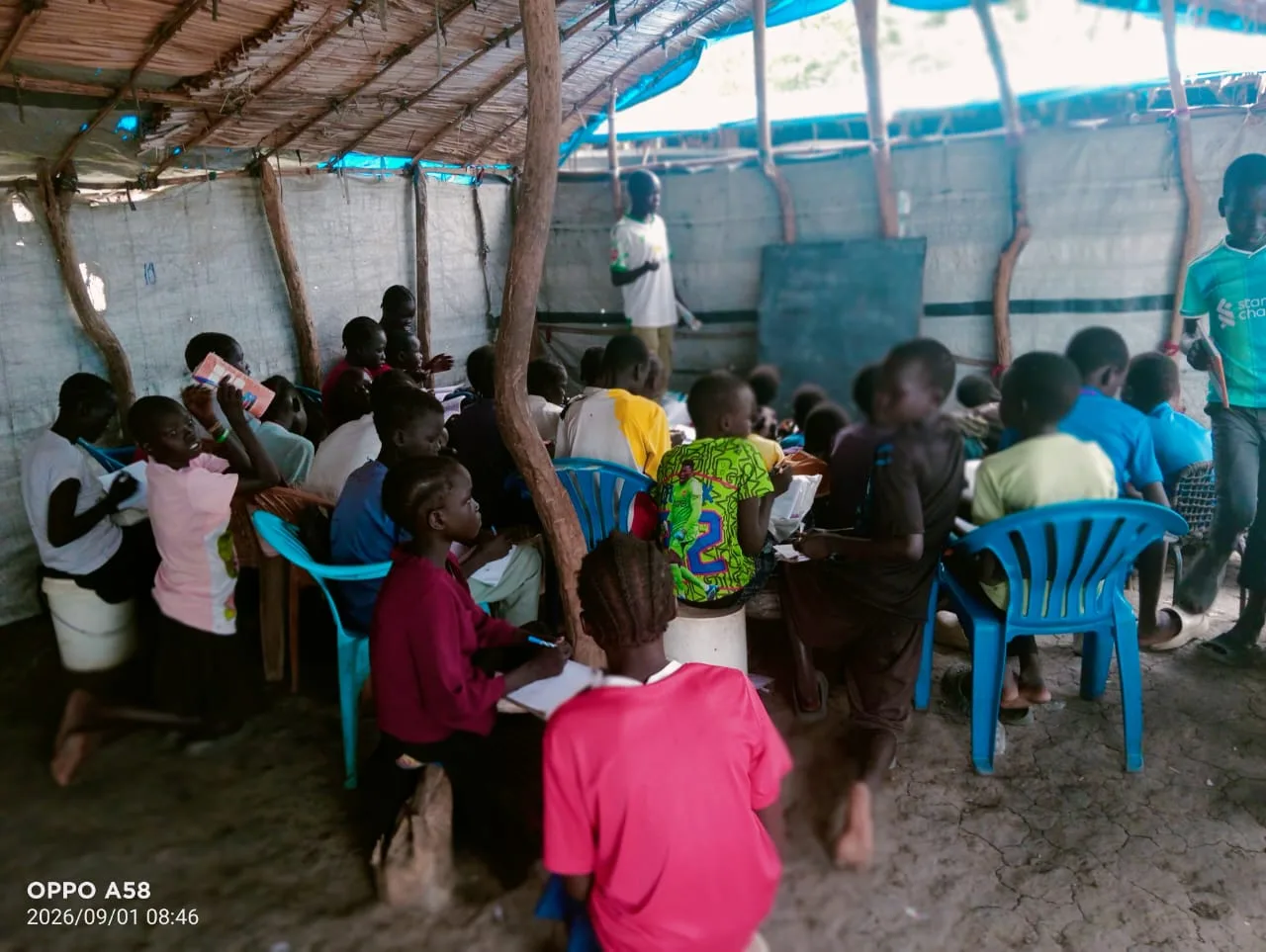
How to Build a Professional Development System for Your School
If you’re ready to invest in your teachers, here’s how to start thinking about it.
Step 1: Assess Current Capacity
What training have your teachers had? What gaps do you see in their practice? Are there teachers already showing leadership potential who could mentor others? Understanding where you are now helps you build a realistic, targeted plan rather than trying to overhaul everything at once.
Step 2: Bring in Specialist Support
A professional development specialist (whether internal or external) can diagnose needs, design a curriculum, lead training sessions, and help teachers implement new practices in real classrooms. This person is your driver for change and your accountability partner.
Step 3: Start with Mobile-Enabled Delivery
Don’t assume all teachers have equal access to in-person training. Use mobile platforms to deliver content, share resources, and create opportunities for teachers in remote areas to participate. This also gives teachers the flexibility to learn on their own time when it fits their schedule.
Step 4: Prioritize Women Teachers and Leaders
Ensure your professional development program explicitly includes and elevates women educators. Create mentorship pairs, highlight women leaders, and remove barriers that prevent women from attending training or taking on leadership roles.
Step 5: Build Community Partnerships
Work with local organizations and community leaders. Teacher development that’s disconnected from community support won’t stick. Partner with families, local leaders, and other schools to create accountability and shared ownership of the outcome.
What Success Looks Like

When teacher professional development is done well, you see teachers who are more confident and less isolated. You see peer learning happening informally in staff rooms and hallways. You see teachers staying in their jobs longer because they feel supported and competent. You see students with teachers who understand their individual learning styles and adjust instruction accordingly.
You also see a shift in school culture. Professional development becomes normal, not exceptional. Teachers expect to grow. School leaders see themselves as educators of educators, not just administrators. And the system becomes self-sustaining because teachers are building the capacity of other teachers.
In practical terms, this translates to better attendance rates, higher completion rates for primary school, and students with stronger foundational skills in literacy and numeracy. It means girls are more likely to attend and succeed because they see women teachers thriving in their profession. It means your school becomes a place where teaching is valued as a profession, not just a job.
Getting Started with The Maale Foundation
If you’re leading a school or a district in South Sudan and you want to strengthen your teacher development system, you don’t have to build it from scratch. Organizations focused on education transformation have models that work, partnerships already in place, and experience adapting solutions to South Sudan’s specific context.
The Maale Foundation builds classrooms, develops teachers, and creates safe learning spaces by partnering directly with local communities. If you’re serious about teacher professional development, start a conversation with an organization that’s already working in your region and understands the realities on the ground.
The teachers in your school are your greatest asset. When you invest in their growth, you’re investing in the future of your students and your community. That’s worth doing well.
Frequently Asked Questions
How long does it take to see results from teacher professional development?
Some changes happen immediately. Teachers feel more supported and confident after their first training. But meaningful, lasting change in teaching practice and student outcomes typically takes time. You’re looking at building shifts over months and years, not weeks. That’s why having a dedicated specialist and ongoing support matters so much. Short-term workshops rarely stick. Sustained systems do.
Can teacher professional development work in remote areas where there’s limited internet?
Absolutely. In fact, many of the most effective professional development programs in South Sudan use mobile technology precisely because internet infrastructure is inconsistent. Teachers can access content via text-based platforms, listen to audio lessons, and participate in peer learning groups without needing a strong internet connection. The model adapts to your reality.
What if your school can’t afford a full-time professional development specialist?
You don’t have to go it alone. Many schools partner with larger organizations or district systems to share a specialist across multiple schools. Some specialists work part-time while also teaching. Others are rotated among schools. The key is having someone with expertise who’s accountable for the work. Talk to other schools in your area about shared solutions.
How do you keep teachers engaged in professional development over time?
Make it relevant to what they’re actually teaching. Give them time and space to practice and apply what they learn. Celebrate progress and wins. Involve teachers in designing the program so they feel ownership. And crucially, connect professional development to career advancement and recognition. When teachers see that growth opens doors for them, engagement naturally increases.