Best Learning Approaches for Social Impact Work
You want your work to matter. Whether you’re supporting a nonprofit, volunteering, or building a career in social impact, the quality of your learning directly shapes the quality of your impact. But generic training rarely sticks. Real learning happens when you understand the “why” behind your work, connect with a community doing it, and see your progress unfold over time.
The good news: learning for social impact doesn’t have to feel like sitting through a webinar. There are proven approaches that help you acquire the knowledge, skills, and mindset shifts needed to drive real change in vulnerable communities. Let’s walk through what actually works.
Related: Social Emotional Learning Books: A Guide for Kids & Teachers
Related: Learning Styles: Find Your Best Way to Learn
Related: Learning Resources for Nonprofits & Social Impact Work
Related: From Teacher to Social Impact Leader: A Nonprofit Career Guide
What Learning Really Means in Nonprofit Work
Learning isn’t just cramming information into your brain. It’s a lasting change in how you understand something, what you believe, and how you act. Real learning unfolds over time. It involves acquiring knowledge and skills, sure, but also developing values, attitudes, and preferences that align with your mission.
When you’re working in education or social impact, learning goes both ways. You learn new frameworks and tools. Your community partners teach you what actually works on the ground. Your team learns from each other’s successes and failures. This kind of learning creates the foundation for sustainable change.
If you’re ready to deepen your impact through better learning practices, The Maale Foundation can show you how education transforms lives in vulnerable communities and how you can be part of that transformation.
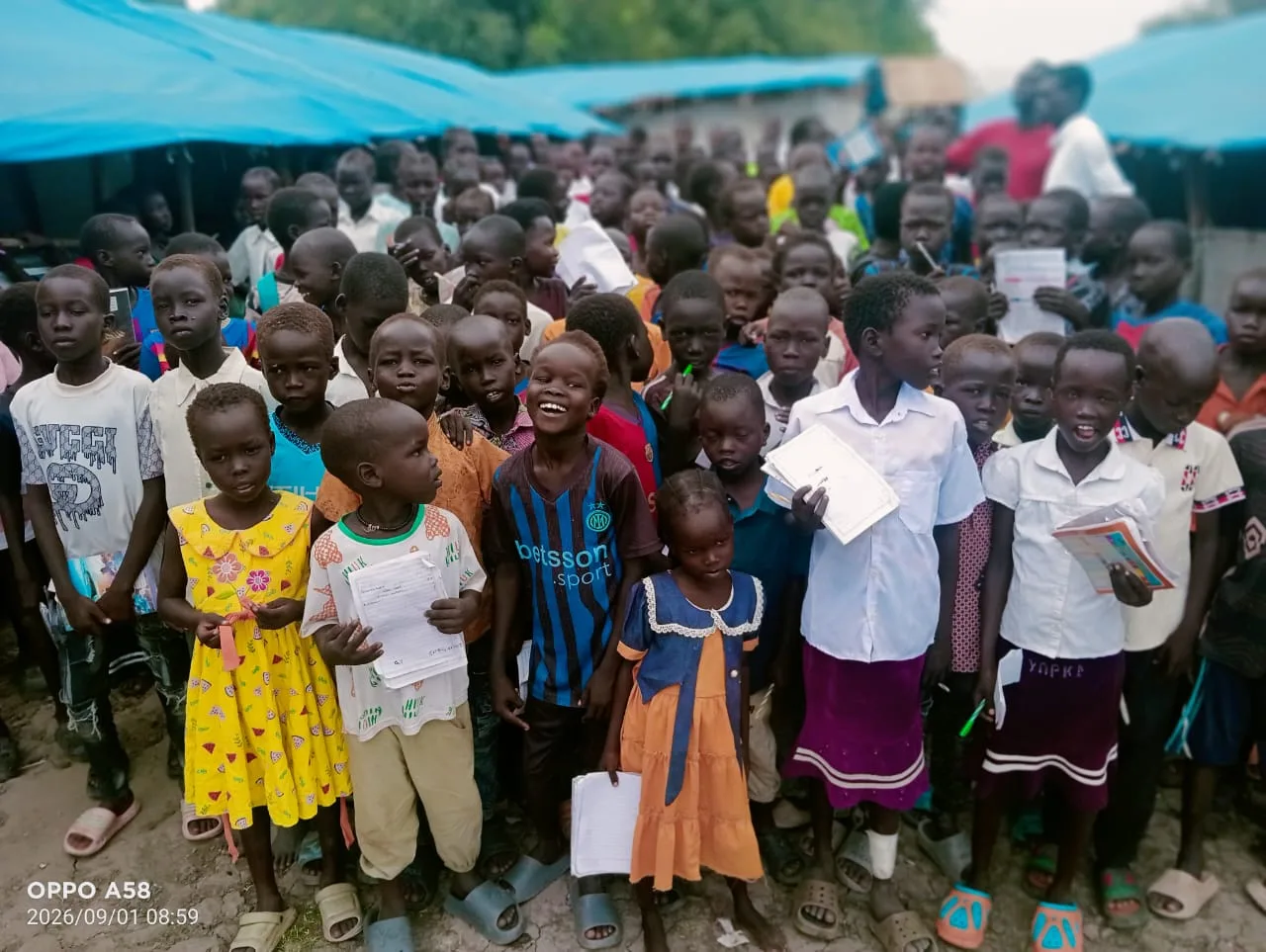
Build a Clear Theory of Change
Before you implement any learning program, you need to know where you’re going. A theory of change is your roadmap. It connects your activities to your long-term vision and helps everyone on your team understand how learning fits into the bigger picture.
Start by asking: What knowledge or skills are missing? What will change once people have them? How will that change ripple outward? When your team aligns around these answers, learning becomes purposeful instead of random.
Your theory of change also guides how you measure progress. You’ll know exactly what to track, making it easier to spot what’s working and what needs adjustment.
Related: What Is Education? A Complete Guide to Learning & Growth
Use Immersive Learning Experiences
Multi-day immersive experiences work differently than one-off workshops. They give you time to absorb new concepts, practice them with peers, and start changing how you think about your work.
These experiences are especially powerful for developing leaders and volunteers in the social impact space. You’re learning alongside people who share your values. You get real-world scenarios, not hypothetical case studies. You leave with both new skills and new relationships that support your ongoing growth.
Immersive learning also builds emotional connection to your mission. You’re not just learning abstract concepts. You’re deepening your understanding of why this work matters and how you fit into it.
Track Outcomes, Not Just Activity
You’ve probably heard the phrase “what gets measured gets done.” That’s true, but there’s a twist: measure the right things, or you’ll optimize for the wrong outcomes.
Most nonprofits track activity (we held 10 trainings, 200 people attended). That tells you nothing about learning. Instead, track outcomes. Did people change their understanding? Can they apply new skills? Are they making different decisions because of what they learned?
Set up a simple outcome tracking system. Ask participants what they learned and how they plan to use it. Follow up a few weeks later. Did they actually apply it? What barriers did they hit? This feedback loop isn’t just good for accountability. It helps you improve your learning approach over time.
Organizations like The Maale Foundation understand that tracking real learning outcomes is how you know if your education efforts are creating lasting transformation in the lives of vulnerable children and youth.
Integrate Digital Literacy and Practical Skills
If you’re working in education, digital literacy and practical skills matter more than ever. These aren’t extras or nice-to-haves. They’re foundational.
You don’t need expensive tech to build these skills. Start with what’s available in your community. Teach coding concepts using offline activities. Use mobile phones for digital learning when computers aren’t accessible. Match your curriculum to the real-world opportunities your learners will face.
The key is integrating practical skills into everyday learning, not treating them as a separate track. When young people see how literacy, numeracy, and digital skills connect to real opportunities, they engage differently.
Tell Stories That Stick
You know what learners remember? Stories, not statistics. Stories show impact in human terms. They create emotional connection. They make abstract concepts concrete.
When you’re designing learning experiences or communicating about your work, weave in stories from the field. What changed for this student? How did this teacher’s approach shift? What did this community learn about themselves? Stories make learning memorable and meaningful.
Use storytelling in your outcome reporting too. Don’t just say “87 teachers completed training.” Tell the story of one teacher who learned a new method, tried it in her classroom, and watched her struggling students suddenly engage. That story does more to communicate impact than any number could.
Streamline Your Measurement with the Right Tools

Tracking outcomes takes time. If you’re doing it manually, you’ll burn out your team. Automated reporting tools help you collect feedback, analyze trends, and share results without drowning in spreadsheets.
Start simple. Use surveys, forms, or simple databases to capture what people learned. Review the data monthly. Look for patterns. What’s working? What’s confusing people? Let the data guide your next iteration.
The goal isn’t perfection. It’s continuous improvement. Better learning today than perfect measurement tomorrow.
Partner for Scale and Sustainability
Learning happens faster and deeper when you’re part of a network. Corporate partnerships, government collaboration, and community relationships all amplify your impact.
Start by being clear about what you need. Do you need funding, expertise, volunteers, or access to communities? Once you know that, approach potential partners with a specific ask and a clear vision of how their support creates lasting change.
Build confidence gradually. Start small, show results, and scale from there. When partners see real learning outcomes, they’re more likely to invest long-term.
Create Safe, Inclusive Learning Spaces
Learning can’t happen if people don’t feel safe. Vulnerable children and youth especially need environments where they belong, where their questions are valued, and where failure is part of the process.
This means training teachers and facilitators on trauma-informed practices. It means building classrooms and spaces where kids feel physically and emotionally secure. It means listening to what learners say they need and acting on it.
If you’re serious about learning in vulnerable communities, safety isn’t optional. It’s foundational. When The Maale Foundation builds classrooms and develops teachers, they prioritize creating those safe spaces where real learning can take root.
How do I know if my learning program is actually working?
Ask participants directly. Can they explain what they learned in their own words? Can they apply it to a real situation? Follow up after implementation and ask what barriers they faced. The most telling sign is behavior change: Are people making different decisions? Are they solving problems differently? Are vulnerable learners engaging more fully?
What if we don’t have budget for immersive training?
Start with what you have. Regular cohort-based learning groups, mentorship relationships, and peer learning circles all create similar depth to immersive experiences. The key is time, repetition, and reflection. Even a series of thoughtful two-hour sessions beats a one-time all-day workshop.
How do we balance learning with doing the actual work?
Build learning into your work. When teachers reflect together on what worked in their classroom that week, that’s learning. When a team debriefs after a project, that’s learning. You don’t need separate training budgets if you’re intentional about learning as an ongoing practice.
Can learning work in low-resource settings?
Absolutely. Some of the most powerful learning happens in communities with limited resources because people are learning what they actually need to survive and thrive. Partner with local educators and community members. They know what works in their context. Use local languages, local examples, and local wisdom as the foundation for new learning.