Learning Resources for Nonprofits & Social Impact Work
If you’re running a nonprofit or working in social impact, you already know that learning never stops. You’re constantly figuring out how to do more with less, how to build stronger teams, and how to actually measure the change you’re making. That’s where learning resources come in. They’re the guides, templates, expert advice, and community insights that help you avoid starting from scratch every single time you face a challenge.
The good news? There are solid learning resources out there designed specifically for nonprofit practitioners like you. Whether you’re a founder, an executive director, a program manager, or a board member, there are frameworks and tools built for your exact situation.
Related: Learning Styles: Find Your Best Way to Learn
Related: Best Classroom Resources 2026: Top 5 Ranked for Teachers
What Learning Resources Actually Help Nonprofits
Learning resources in the nonprofit space aren’t just random articles or generic business advice. They’re practical, mission-focused tools that address the real problems you face every day.
Related: Social Emotional Learning Books: A Guide for Kids & Teachers
Related: Best Training Programs for Nonprofits 2026: Top 5 Ranked
The best learning resources for nonprofits typically include:
- Practical guides and templates – Think step-by-step playbooks for fundraising, board governance, program evaluation, and staff development. These save you hundreds of hours because someone else has already worked through the messy parts.
- Expert insights from real practitioners – Advice from nonprofit founders, former Executive Directors, and social impact strategists who’ve actually been in the trenches. Their experience is worth more than theory.
- Research and data – Evidence-based findings on what works in nonprofit leadership, community engagement, and sustainable impact. This helps you make decisions backed by something solid.
- Community and peer learning networks – Access to other nonprofit leaders solving similar problems. Sometimes the best learning comes from comparing notes with someone who gets it.
- Tools for organizational development – Resources that help you build stronger leadership, improve governance, and create cultures where your team actually wants to work.
Why Nonprofits Need Dedicated Learning Resources
Here’s the reality: nonprofit leaders are expected to wear fifty hats at once. You’re building programs, managing budgets, fundraising, handling HR, and trying to actually change lives. You don’t have time to reinvent the wheel on basic governance or leadership strategy.
That’s exactly why learning resources matter. Organizations that invest in learning and development see stronger outcomes, better staff retention, and more sustainable impact.
When you have access to the right learning resources, you can:
- Build stronger boards and leadership teams
- Strengthen your fundraising strategy without hiring expensive consultants
- Create systems that actually scale
- Learn from other organizations’ successes and mistakes
- Stay grounded in your mission while you’re handling the business side
Organizations like The Maale Foundation understand that learning resources aren’t luxury items for nonprofits. They’re foundational. When you’re trying to transform lives in vulnerable communities, you need reliable guidance on how to build sustainable, impactful programs.
Key Areas Where Learning Resources Make the Biggest Difference
Not all learning resources are equal. Some help with immediate problems. Others build long-term organizational strength. Here are the areas where nonprofit-specific learning resources have the highest impact:
Leadership and Governance
Strong nonprofit leadership starts with clarity on roles, decision-making processes, and accountability. Learning resources that focus on board development, executive leadership, and organizational culture help you build teams that actually function well together. This is foundational.
Fundraising Strategy
Fundraising feels impossible until you have a system. Good learning resources walk you through diversifying your funding, building donor relationships, grant writing, and creating sustainable revenue streams. You don’t need a fundraising consultant when you have a solid playbook.
Program Evaluation and Impact Measurement
How do you actually know your work is creating change? Learning resources on impact measurement help you design programs that are both effective and measurable. This also makes fundraising easier because you can tell donors exactly what you’ve accomplished.
Organizational Development
Building a healthy nonprofit culture, managing staff development, creating systems that scale, and handling the business side of nonprofit work. The Maale Foundation knows that organizations with strong internal systems can focus more energy on their actual mission.
Community Partnership and Local Engagement
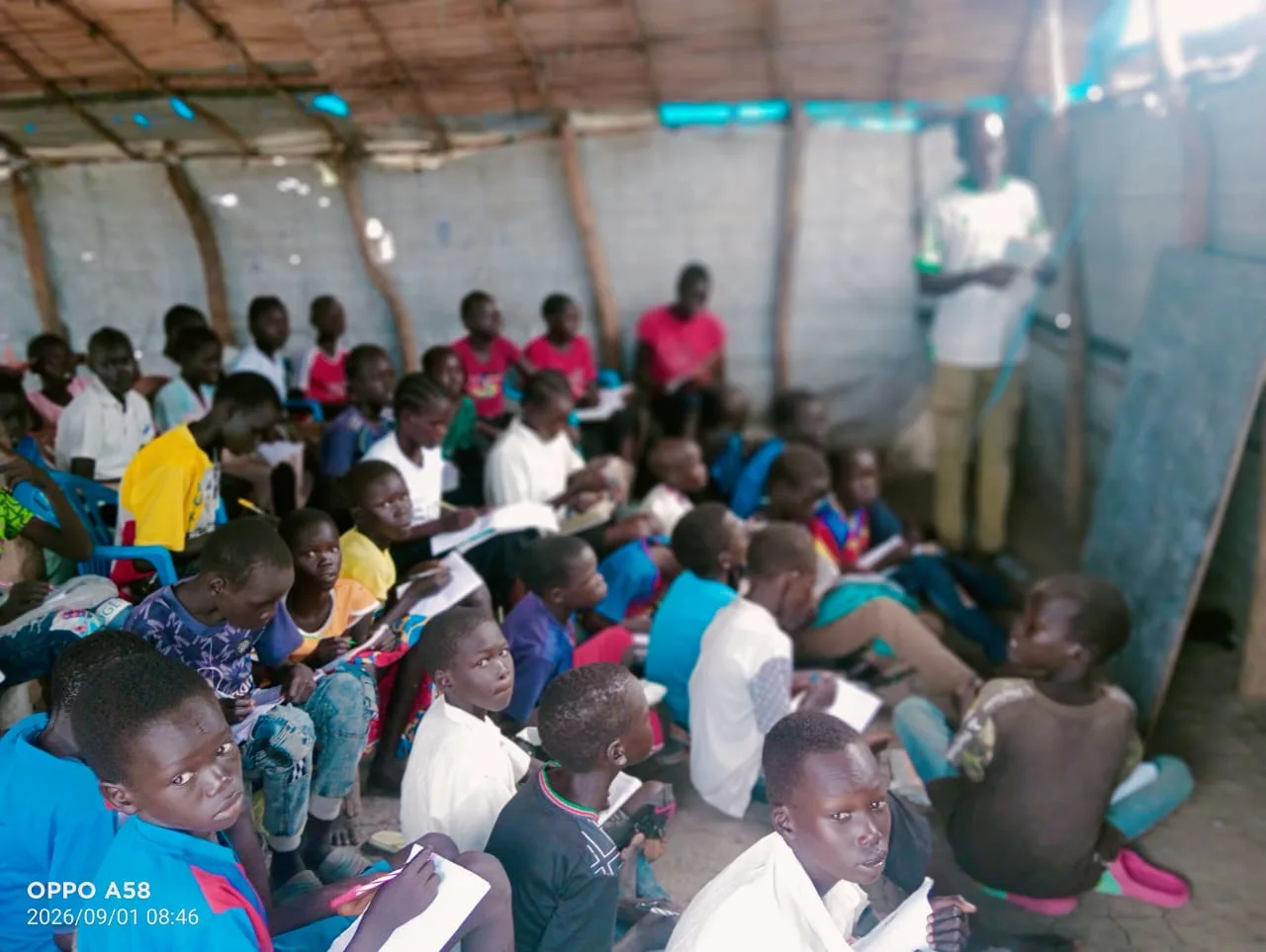
If you’re working in vulnerable communities (like The Maale Foundation does in South Sudan), learning resources on authentic community partnership, listening, and co-creation are essential. Your programs only work if they’re rooted in what communities actually need.
Related: Education Nonprofits Working in South Sudan: A Guide
Where to Find Quality Learning Resources
Good learning resources come from a few reliable sources:
- Nonprofit research organizations – Places like Bridgespan, FSG, and the Nonprofit Finance Fund publish research and guides grounded in actual data.
- Thought leaders and practitioners – Nonprofit founders and former Executive Directors who share their real experience. Look for people who’ve actually built and led organizations.
- Nonprofit associations and networks – Groups focused on nonprofit excellence often curate learning resources and connect you with peer practitioners.
- Foundations and funders – Many funders publish guides on topics like organizational development, fundraising, and impact measurement because they want their grantees to succeed.
- Mission-driven organizations – Nonprofits and social impact organizations that have built strong learning resources for their own communities. They understand the specific challenges you face.
How to Actually Use Learning Resources Effectively
Having access to learning resources is one thing. Actually using them to improve your nonprofit is another.
Here’s what works:
- Be specific about what you need – Don’t just collect resources. Identify the exact challenge you’re facing right now and find learning resources that directly address it.
- Share with your team – Learning is stronger when it’s shared. If you find something valuable, bring it to your leadership team or staff. Use it as a conversation starter.
- Apply what you learn – Resources are only valuable if they actually change what you do. Pick one insight from what you learn and implement it this month.
- Learn with others – Join communities of nonprofit practitioners. Learning is faster and stickier when you’re doing it alongside people facing similar challenges.
- Revisit and update – Your nonprofit changes. Your challenges evolve. Come back to learning resources periodically. What wasn’t relevant last year might be exactly what you need now.
Building a Learning Culture in Your Nonprofit
The organizations that thrive over the long term aren’t the ones that find the perfect strategy once and stick with it. They’re the ones that build a culture of learning and adaptation.
That means:
- Your leadership team regularly engages with new ideas and frameworks
- Staff members have time and resources to develop their skills
- You capture lessons from your own work and share them internally
- You’re willing to change things when you learn something better
- Peer learning and knowledge sharing are normal, not exceptional
When you’re working on something as important as education, health, poverty reduction, or community transformation, learning resources aren’t optional. They’re how you stay sharp, avoid costly mistakes, and continue growing your impact year after year.
Organizations building sustainable social impact understand that investing in learning is investing in their mission. Whether you’re just starting out or you’ve been running your nonprofit for years, the right learning resources can accelerate your growth and help you avoid pitfalls others have already hit.
Related: From Teacher to Social Impact Leader: A Nonprofit Career Guide
Related: What Is Education? A Complete Guide to Learning & Growth
Related: Best Learning Approaches for Social Impact Work
Getting Started With Learning Resources Today
You don’t need to overhaul everything tomorrow. Start small.
Pick one area where your nonprofit needs to get stronger. It might be fundraising, board governance, program evaluation, or staff development. Find 2-3 learning resources that directly address that challenge. Set aside time this week to engage with them. Then talk about what you learned with your team.
That’s how learning actually creates change in nonprofits. Not through massive training programs or consultants. Through consistent, intentional engagement with resources and ideas that help you build a stronger organization.
If you’re serious about creating sustainable impact in your community, The Maale Foundation‘s approach combines practical learning resources with deep community engagement. They know that transformation happens when organizations have both the knowledge and the commitment to do hard work well.
What types of learning resources are best for small nonprofits?
Small nonprofits often benefit most from practical, template-based resources they can implement immediately. Look for guides on fundraising, board development, and program evaluation that are designed for resource-constrained organizations. Peer learning networks and online communities are often free or low-cost and incredibly valuable. You’re looking for resources that give you a playbook, not just theory.
How often should we revisit our learning resources?
As your nonprofit grows and your challenges evolve, your learning resource needs change too. Revisit your learning strategy at least annually. If you’re going through a major transition (new leadership, new program, fundraising challenge), it might be more frequent. The key is being intentional about what you need to learn right now.
Can learning resources help with fundraising?
Absolutely. Strong learning resources on fundraising strategy, donor relationships, grant writing, and revenue diversification have helped countless nonprofits improve their financial health. Many nonprofits spend money on consultants when solid learning resources would give them 80% of the value at a fraction of the cost. Start with resources on fundraising fundamentals and build from there.
Where do we find learning resources that match our nonprofit’s mission?
Start with networks and associations related to your specific field. If you work in education, health, poverty alleviation, or community development, there are usually resources tailored to that sector. Also look at what other effective nonprofits in your space use and recommend. Building relationships with other practitioners is often the best way to discover resources that actually work.