Social Emotional Learning Books: A Guide for Kids & Teachers
Social emotional learning books are some of the most powerful tools you have for helping kids understand their feelings, connect with others, and make better choices. Whether you’re a teacher, parent, or caregiver, these books work like gentle guides that meet children where they are and show them it’s okay to feel complex emotions.
The beauty of using books to teach social emotional skills is that they create a safe space for conversations. Kids can talk about the characters’ struggles without feeling like they’re being lectured. They see themselves reflected in stories and realize they’re not alone in what they’re experiencing.
Why Social Emotional Learning Books Matter
Children face real challenges every day: anxiety about fitting in, sadness when friendships break down, anger when things don’t go their way, and confusion about who they are. Social emotional learning books address all of these head-on.
Related: Best Learning Approaches for Social Impact Work
Related: What Is Education? A Complete Guide to Learning & Growth
When you use these books in your classroom or home, you’re doing more than reading a story. You’re building emotional vocabulary, teaching kids how to identify what they’re feeling, and giving them language to talk about hard things. Over time, this practice transforms how children see themselves and treat others.
Books also help kids develop character. They show examples of kindness, gratitude, authenticity, and perseverance. These aren’t abstract lessons. They’re woven into plots that capture kids’ attention and stick with them long after story time ends.
Core Themes in Social Emotional Learning Books
When you’re looking for social emotional learning books, you’ll notice they center on a few key themes that matter most to children’s development.
- Being yourself and authenticity – Books that celebrate uniqueness help kids understand that being different is a strength, not something to hide.
- Kindness and friendship – Stories about how we treat others and build meaningful connections teach empathy in action.
- Sharing and gratitude – These books show kids the joy that comes from generosity and appreciating what they have.
- Overcoming anxiety and managing difficult emotions – Stories that normalize worry, anger, and sadness give kids tools to handle feelings when they come up.
Each theme serves a purpose. Together, they create a complete picture of what emotional intelligence looks like in real life.
How to Choose the Right Books for Your Audience
Age matters when you’re picking social emotional learning books. A picture book for preschoolers works differently than a chapter book for third graders, and both are different from novels for teenagers.
For young children ages 3-7, look for simple stories with colorful illustrations and clear emotions. These books should have only a few characters and straightforward plots. Kids this age are learning to name feelings for the first time, so simplicity helps them focus on the emotional lesson.
For elementary-aged kids ages 7-11, you can introduce more complex plots and multiple characters. These books can explore friendship drama, school anxiety, and family changes. The stories can have more depth because these kids are ready to think about other people’s perspectives.
For middle and high school students, social emotional learning books become more sophisticated. They might tackle identity, belonging, resilience, and making tough choices. Teenagers appreciate stories that don’t talk down to them and respect their growing understanding of the world.
Consider your specific group’s needs too. Are you working with kids who struggle with anger? Look for books about managing big emotions. Are you teaching children experiencing loss? Find stories that honor grief and healing. When you match the book to the real challenges kids face, the message lands harder.
Integrating Books Into Your Teaching or Parenting
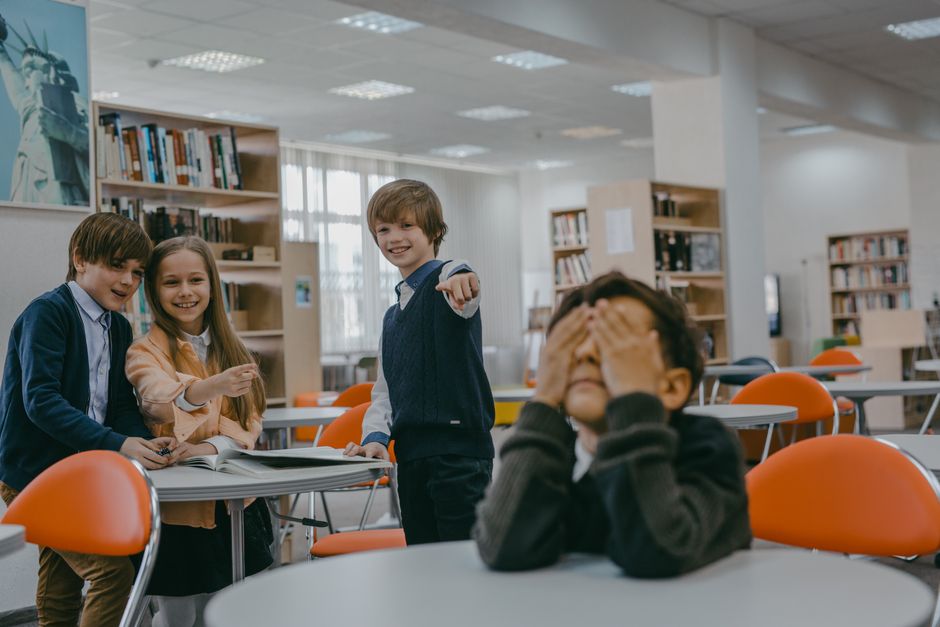
Having the right social emotional learning books is half the battle. The other half is using them well.
Read the book aloud first, if you can. Your voice and pace set the tone. When kids hear you read with emotion and pause at important moments, they pay closer attention. Reading together also creates space for questions and conversations that might not happen if kids read alone.
After you finish, ask open-ended questions. Instead of “Did you like the book?” try “How do you think the character felt when…?” or “What would you have done?” These questions help kids connect the story to their own lives and practice talking about emotions.
Don’t rush past the feelings the book brings up. If a kid says the story made them sad, that’s worth exploring. Ask why. Listen without trying to fix it. Sometimes kids just need to know their emotions are valid and that adults notice.
Use the book as a reference point later. When a similar situation comes up in real life, you can say, “Remember the character in that book? Let’s think about what they did.” This bridges the gap between story and action.
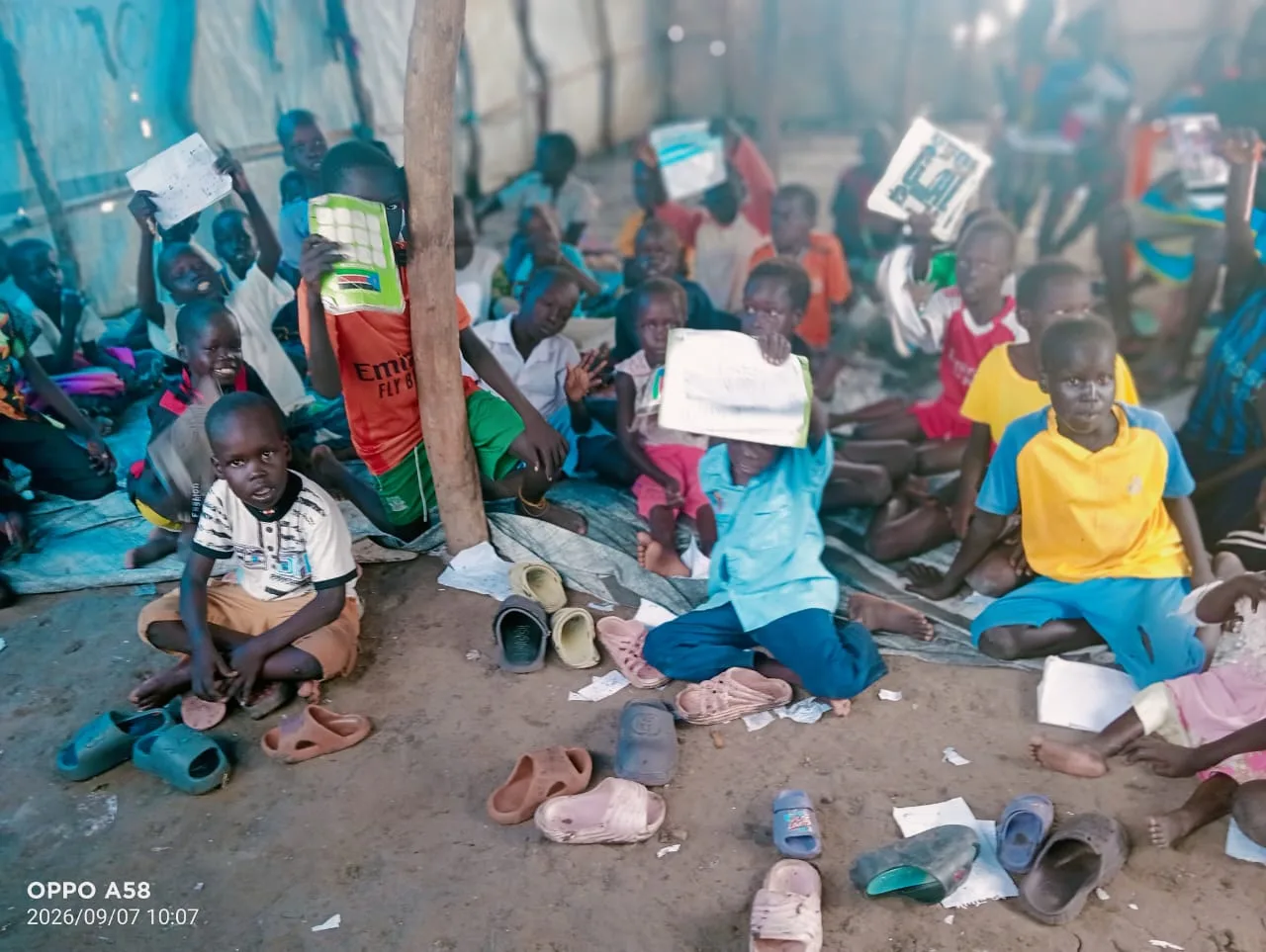
If you’re an educator working with vulnerable or at-risk youth, The Maale Foundation understands how critical these tools are for creating safe, caring learning spaces where children can truly grow.
Different Formats and Genres to Explore
Social emotional learning books come in more varieties than you might think. Picture books are the most common, but there’s so much more available.
Classic anniversary editions give you books that have stood the test of time. These are titles that generations of kids have loved and learned from. They often have updated illustrations but keep the original story intact, which means the emotional core is solid.
Newer releases tackle modern issues like screen time, social media, digital friendships, and cultural identity. These books speak to kids’ actual lives right now, which makes the lessons feel relevant and urgent.
Graphic novels and illustrated chapter books work well for kids who are transitioning out of picture books but still need visual support. The illustrations help them stay engaged while the text is getting more complex.
Verse novels and poetry use rhythm and language in creative ways to explore emotions. Some kids connect deeply with poetry because it honors the intensity of what they’re feeling.
Series books let you return to characters kids love and care about. When kids follow a character through multiple stories, they develop a deeper relationship with that character and become invested in their growth.
Creating a Culture of Emotional Learning
The real magic happens when social emotional learning books become part of your regular routine, not a special event. When kids know that stories about feelings are a normal part of their day, they start to see emotions as something worth paying attention to.
In classrooms, this means building time into your schedule for read-alouds and discussions. In homes, it means keeping these books visible and accessible, and reading them without pressure.
Over time, you’ll notice changes. Kids start using the language from the books to describe their own feelings. They show more kindness to classmates because they’ve seen it modeled. They become braver about being themselves because books told them that’s okay.
This is how books transform school environments and homes into more caring and inclusive communities. It’s not magic. It’s the steady, intentional work of choosing stories that matter and giving kids space to process them.
When you’re building this kind of culture with young people, especially those facing real challenges and hardship, you’re offering something precious. The Maale Foundation believes deeply in the power of education to transform lives, and social emotional learning is a core part of that transformation.
Frequently Asked Questions About Social Emotional Learning Books

What age should kids start reading social emotional learning books?
Kids can start with social emotional learning books as early as age 2 or 3. At this age, books are very simple and focus on naming basic emotions like happy, sad, and angry. As kids grow, the books grow with them, tackling more complex themes and emotions. There’s no age where they stop being valuable.
Can social emotional learning books actually change how kids behave?
Books alone won’t change behavior, but they’re a powerful tool when paired with conversations and adult support. When you read a book and then talk about it, ask questions, and help kids apply the lessons to their own lives, that’s when real change happens. Think of the book as opening a door to deeper learning.
How do I know if a social emotional learning book is good quality?
Look for books with characters that feel real and face genuine struggles, not oversimplified problems with easy solutions. The illustrations should be engaging and support the story. The ending should feel earned, not preachy. And most importantly, when you read it, it should feel like the book respects the reader’s intelligence and emotions.
Should I use social emotional learning books if my child or student hasn’t mentioned having emotional struggles?
Absolutely. You don’t wait until someone is sick to teach healthy habits. Social emotional learning books are preventive. They build skills and vocabulary that all kids need, whether they’re struggling right now or not. Plus, you never know which story will unlock something important for a particular child.