Safe Classrooms for Displaced Children in Africa: What Works
When families flee conflict or crisis, education often becomes their lowest priority. But for displaced children, a safe classroom can be the difference between losing years of learning and reclaiming their future. Safe classrooms for displaced children in Africa aren’t just nice to have—they’re essential infrastructure that keeps kids in school, gives families stability, and rebuilds hope in communities torn apart by displacement.
This guide walks you through what makes a classroom truly safe for displaced children, why it matters, and how organizations like The Maale Foundation are building solutions on the ground.
Related: How Education Helps Children in Crisis: A Complete Guide
Related: Education Programs for Refugee Children in South Sudan
Related: Best Ways to Give Education to Children in Need 2026
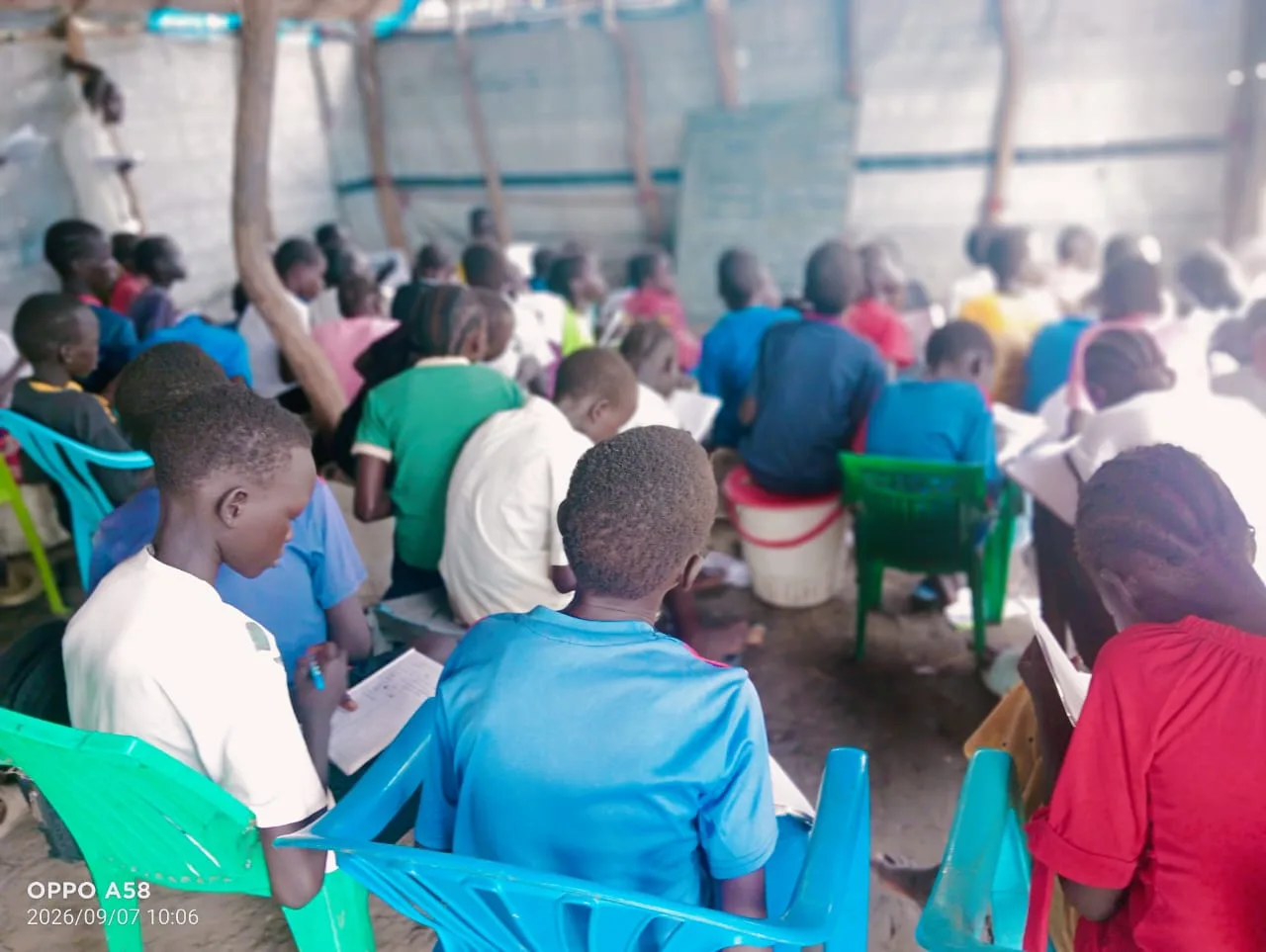
Why Displaced Children Need Safe Classrooms
Displacement is traumatic. Kids lose their homes, their routines, their sense of security. When families are moving between camps, temporary settlements, or informal housing, education gets forgotten fast. Parents are focused on finding food and shelter. Children are scared and confused.
A safe classroom changes that equation. It gives kids a place to be kids again. It provides structure, normalcy, and hope. For displaced families, a functioning school signals that someone cares about their children’s future—and that’s powerful.
Beyond the emotional side, safe classrooms protect children physically. A weatherproof building keeps kids dry during rainy seasons. Proper construction means the roof won’t collapse. These basics matter enormously when families are already living in vulnerable conditions.
What Makes a Classroom Safe for Displaced Children
Safety isn’t complicated, but it does require intentional design and ongoing maintenance.
Weatherproof Construction
A safe classroom keeps the elements out. That means proper roofing, sealed walls, and a solid foundation. In Africa’s rainy seasons, a leaking classroom becomes unusable within weeks. Families won’t send their kids to a building that floods. Weatherproof construction isn’t a luxury—it’s the baseline.
Structural Integrity
The building has to be safe to enter. Unstable walls, weak floors, or crumbling materials put children at risk every single day. Materials matter. Local sourcing helps, but quality can’t be compromised. A classroom built to last serves generations of displaced children, not just the first cohort.
Inclusive Design
Safe classrooms need to welcome all children—including girls, children with disabilities, and kids who’ve been out of school for years. That means separate bathroom facilities for dignity, accessible entrances for mobility challenges, and teaching approaches that don’t shame kids for missing time in class. Inclusion is part of safety.
Proper Staffing and Teacher Training
A beautiful classroom with no trained teacher doesn’t help anyone. Safe learning spaces need educators who understand trauma, who can create calm environments, and who know how to reach kids who’ve experienced displacement. Teacher development is as critical as the building itself.
How Communities and Organizations Work Together
Building safe classrooms in displacement contexts requires partnerships. No single organization can do this alone.
Local communities know their own needs best. They understand which locations are accessible, which families need support most, and what cultural approaches will work. When organizations listen to communities first—rather than parachuting in with pre-made plans—classrooms get built in the right places and serve the right kids.
Government education programs, international coordination, and local nonprofits all play roles. But the real magic happens when these partners sit down together and ask: “What do displaced families need, and how do we build it together?”
Related: IDP Camp Education Programs in Africa: What They Do
The Maale Foundation works directly with communities in South Sudan to do exactly this. By partnering with local leaders and families, they identify where classrooms are needed most and build them to meet actual community standards—not external assumptions.
Regional Approaches and Knowledge Sharing
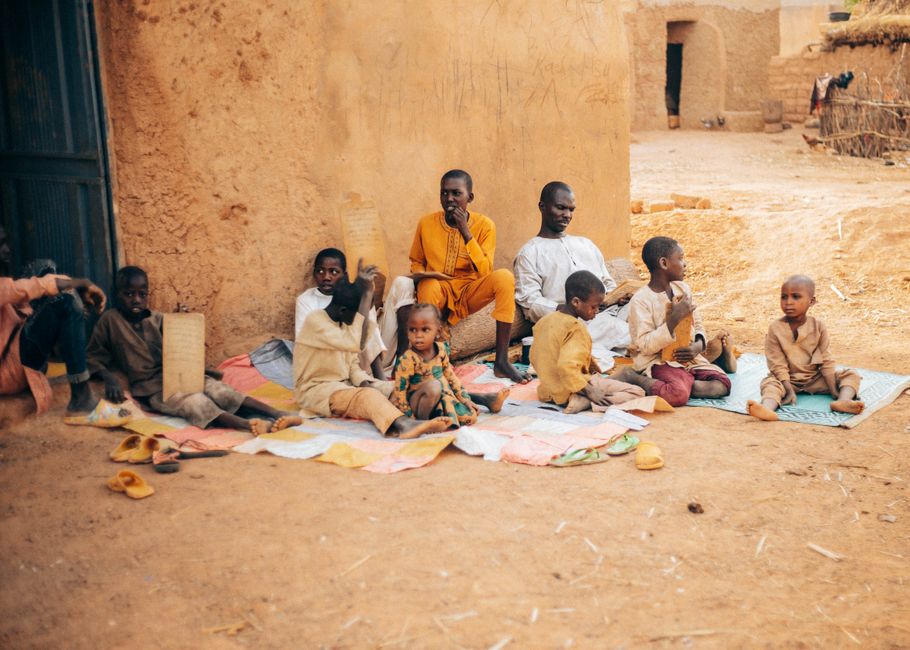
Africa is a huge continent with different climates, displacement contexts, and resources. What works in one region might need adjustment in another. That’s why knowledge sharing across sub-Saharan Africa matters so much.
When educators, builders, and nonprofit leaders compare notes, they learn from each other. One region figures out the best way to protect classrooms from sandstorms. Another develops a teacher training model that works with limited resources. These insights spread, and entire regions get stronger.
Safe classrooms aren’t a solved problem. They’re something communities continuously improve as they learn what works in their context.
Protection and Recognition as Spaces of Hope
Here’s something crucial: schools should never become targets or be used for anything other than learning. Classrooms are sacred spaces. They belong to children and teachers, period.
In displacement contexts where conflict is ongoing, this protection becomes especially important. Schools need to be recognized—by armed groups, by governments, by everyone—as places of learning, safety, and hope. They shouldn’t be militarized or used for anything that puts children at risk.
Education must be actively protected as a priority in conflict and displacement contexts. That means international attention, local advocacy, and community vigilance. When schools are safe from threats, they can do what they’re meant to do: transform children’s lives.
Related: Sustainable Education Initiatives in Conflict Zones: What Works
Meeting International Standards While Staying Local
There are basic standards for classroom safety—things like floor space per student, lighting, ventilation, and sanitation. These standards exist for good reasons. They protect child health and create environments where real learning can happen.
But meeting standards doesn’t mean importing expensive materials from abroad or building identical classrooms everywhere. Smart organizations work with local builders, use local materials, and adapt designs to local climate and culture. A classroom that’s built locally, owned locally, and maintained locally is a classroom that lasts.
If you’re looking to support this work on the ground, organizations doing it right prioritize both safety standards and community ownership. The Maale Foundation builds classrooms in partnership with displaced communities, ensuring that each space is both safe and culturally grounded.
The Ripple Effect of One Safe Classroom

When a displaced child sits in a safe classroom, something shifts. The child gets back to learning. Parents see hope. Teachers feel empowered. The community remembers that education matters.
One classroom becomes two. Teachers trained in one settlement share techniques in another. Families who sent their kids to school talk to their neighbors about it. Safe classrooms create momentum.
But they only create that momentum if they actually exist. That’s why the work of building and maintaining safe classrooms for displaced children in Africa isn’t just important—it’s urgent.
What You Can Do
If you care about displaced children’s education, you have options. You can support organizations actively building classrooms in displacement settings. You can advocate for education protection in policy discussions. You can share what you learn about this work with others who might help.
The children waiting for safe classrooms can’t wait. They need adults who understand that education isn’t a luxury in displacement contexts—it’s a lifeline. Every classroom built is a statement: we believe in your future, and we’re building the space where you can reclaim it.
Frequently Asked Questions
What’s the difference between a safe classroom and a temporary shelter?
A shelter keeps people dry and warm. A classroom does that plus creates an intentional learning environment with proper materials, trained teachers, and a curriculum. Displaced children need both shelter and education, but classrooms serve a specific purpose: they restore learning, routine, and hope during displacement.
Can safe classrooms be built quickly in emergency displacement situations?
Some structures can go up fast, but safety can’t be rushed. Quick temporary structures can bridge the gap while permanent classrooms are being built. The key is having a plan to transition from emergency shelters to proper learning spaces within 6-12 months. Both matter.
Who pays for safe classrooms in displaced settings?
Funding comes from many sources: international donors, government education budgets, nonprofit organizations, and sometimes community contributions. But the real investment should come from the understanding that displaced children’s education is too important to underfund. Every child deserves a classroom that won’t collapse in the rain.
How do you keep displaced children in school if they have to move again?
It’s hard. That’s why consistency matters. When organizations build multiple classrooms across a region, displaced families have access to schools in different locations. Curriculum standards also help—if your child attends school in one camp and later moves to another, the education should connect. It takes coordination, but it’s possible.