Contextual Teaching and Learning: A Guide for Educators
Contextual teaching and learning (CTL) is a teaching approach that connects what students learn in the classroom to real-world situations and experiences. Instead of teaching abstract concepts in isolation, CTL helps students see how what they’re learning actually matters in their lives. It bridges the gap between theory and practice, making education more meaningful and memorable.
If you’re an educator looking to boost student engagement and understanding, contextual teaching and learning might be exactly what you need. Let’s break down what it is, why it works, and how you can start using it in your classroom today.
Related: What Is Education? A Complete Guide to Learning & Growth
Related: Universal Design for Learning: A Practical Guide
Related: Education Nonprofits Working in South Sudan: A Guide
What Is Contextual Teaching and Learning?
At its core, contextual teaching and learning is about relevance. When you teach using CTL, you’re showing students the practical value of what they’re learning. Instead of asking “Why do I need to know this?” your students will naturally understand the answer because you’ve shown them real examples.
Think of it this way: teaching algebra becomes more powerful when students solve problems about calculating the cost of supplies for a community project. Science feels more alive when students investigate water quality in their local river. History connects deeper when students interview elders about local events.
The Maale Foundation believes that education transforms lives when it speaks to students’ real experiences. That’s why contextual teaching and learning aligns so well with creating classrooms where vulnerable children and youth see themselves and their communities reflected in what they’re learning.
Why Contextual Teaching and Learning Works
Research has strongly validated CTL as an effective instructional approach. Studies by Berns (cited over 948 times in academic literature) and Hudson (cited 328+ times) confirm that when teachers connect content to real contexts, students engage more deeply and retain information longer.
Here’s why it’s so powerful:
- Students see relevance. When learning feels connected to their lives, they care more and try harder.
- Deeper understanding develops. Abstract concepts make sense when students can touch, see, and experience them in context.
- Critical thinking grows. Real-world problems require thinking beyond memorization. Students learn to apply knowledge, not just recall it.
- Motivation increases. Students work harder when they understand why something matters.
Teachers trained in contextual teaching strategies report significant improvements in classroom engagement and student outcomes.
How to Implement Contextual Teaching and Learning in Your Classroom
Ready to give CTL a try? Here are practical steps you can take starting tomorrow.
Related: Best Teacher Certification Programs for Educators Ready to Lead
Step 1: Identify Real-World Connections
Look at your curriculum and ask yourself: Where does this concept exist in students’ lives? If you’re teaching fractions, maybe it’s in cooking, sharing food, or dividing supplies. If you’re teaching writing, it could be letters to community leaders, instructions for a project, or stories about local heroes.
Step 2: Bring in Concrete Examples
Don’t just describe the real-world connection. Show it. Bring in actual materials, take students on a field visit, or invite someone from your community to share how they use what you’re teaching. A market vendor can teach percentages and profit. A farmer can teach cycles and sustainability.
Step 3: Let Students Solve Real Problems
Instead of textbook problems, create assignments where students tackle actual community challenges. Maybe your class designs a water collection system, plans a community event, creates health awareness posters, or launches a small business. The learning becomes purposeful because the work matters.
Step 4: Reflect on Learning
After the activity, have students reflect: What did you learn? How will you use this? What was hard? What surprised you? This reflection cements the connection between the activity and the concept.
Contextual Teaching and Learning in Under-Resourced Schools

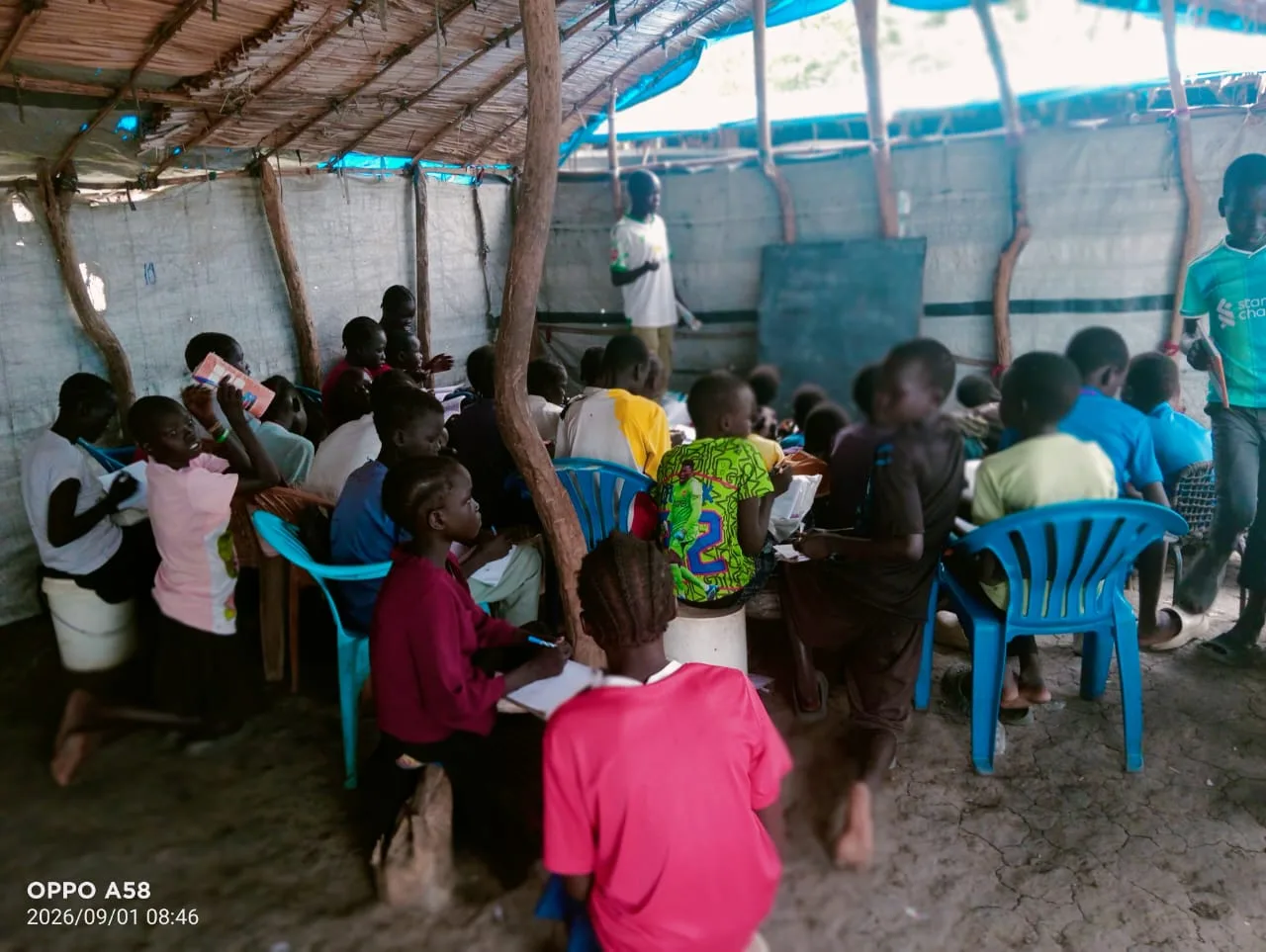
One of the beautiful things about CTL is that it doesn’t require expensive materials or fancy technology. It thrives on creativity and connection to community.
In under-resourced classrooms, contextual teaching and learning actually becomes more powerful because students learn from their immediate environment. A stick becomes a measuring tool. A market becomes a math classroom. Stories from elders become history lessons. Community members become teachers.
That’s why The Maale Foundation emphasizes teacher development that includes contextual approaches. When teachers are equipped to see the learning potential in their surroundings, every classroom becomes richer, regardless of budget constraints.
Overcoming Common Challenges with CTL
Challenge: “I don’t have time to plan all this.”
Start small. Pick one lesson a week and add a real-world context. As you get comfortable, it becomes faster and more natural.
Challenge: “My curriculum is packed. How do I fit this in?”
CTL isn’t extra work. It’s a way of teaching what’s already required. You’re still covering the standards, just in a more connected way.
Challenge: “What if students don’t have access to real-world experiences?”
Stories, guest speakers, photos, videos, and role-playing all create context. If students can’t visit a market, bring traders to class or have students role-play economic scenarios. Creativity is your best resource.
Making Contextual Teaching and Learning Work in Your School
If you want to scale CTL beyond one classroom, start building teacher collaboration. Host teacher meetings where educators share contextual examples they’ve created. Create a shared bank of community connections. Support each other with planning.
Professional development matters too. Teachers need training and ongoing support to design and implement contextual lessons well. Organizations focused on education transformation recognize that teacher development is foundational to changing how learning happens.
When you’re looking to strengthen how your school teaches with context and relevance, The Maale Foundation approaches teacher development with exactly this understanding. Building teacher capacity transforms classrooms for entire communities of students.
The Impact of Teaching with Context

When you use contextual teaching and learning, something shifts. Students show up differently. They ask better questions. They see themselves as problem-solvers and contributors, not just receivers of information.
In vulnerable communities especially, this matters deeply. When youth see that what they learn in school connects to solving real problems in their neighborhoods, education becomes a pathway to hope and opportunity. They begin to see themselves as capable of shaping their futures.
That transformation is exactly what makes contextual teaching and learning worth the effort.
Getting Started Today
You don’t need permission to start using contextual teaching and learning tomorrow. Pick one lesson. Think of one real-world connection. Try it. See what happens when your students suddenly understand why they’re learning something.
If you’re interested in exploring education approaches that build teacher capacity and create transformative learning spaces, The Maale Foundation works directly with educators and communities to strengthen how learning happens.
What’s the difference between contextual teaching and learning and project-based learning?
They’re related but different. Project-based learning centers on students completing a project. Contextual teaching and learning focuses on connecting content to real-world contexts. A project can be contextual, but CTL can also happen through simpler strategies like guest speakers, field visits, or solving real problems without a formal project.
Can you use contextual teaching and learning in all subjects?
Absolutely. Math connects to markets, cooking, construction, and budgeting. Language arts connects to communication needs in the community. Science connects to agriculture, health, water, and environment. History and social studies naturally connect to local experiences. Even subjects that feel abstract can be grounded in real contexts.
How do I know if contextual teaching and learning is working?
Look for signs like increased student engagement, better attendance, deeper questions from students, improved performance on assessments, and greater enthusiasm for learning. Students will start making their own connections between classroom learning and their lives. That’s when you know it’s working.
Do I need special training to teach using contextual approaches?
It helps to have guidance and support, but you can start with creativity and your knowledge of your community. Professional development programs can help you design contextual lessons more effectively and build confidence. Many organizations offer teacher training in contextual teaching strategies.