Teacher Shortage in South Sudan: 7 Real Solutions That Work
South Sudan’s classrooms are emptying out, and it’s not because kids don’t want to learn. The real issue? There simply aren’t enough teachers, and the ones who are there are burning out fast.
If you care about education in South Sudan, you need to understand why this crisis exists and what solutions can actually turn things around. Let’s break down the teacher shortage in South Sudan and explore real, actionable solutions that create lasting change.
What’s Causing the Teacher Shortage in South Sudan?
The teacher shortage didn’t happen overnight. It’s the result of years of conflict, underfunding, and conditions that make it nearly impossible for educators to stay in the classroom.
Related: Donate Classroom Supplies to South Sudan: A Real Impact Guide
Related: Best Classroom Construction Projects in South Sudan: A Proven Model
War and violence have destroyed schools and driven teachers away. When your workplace gets damaged or unsafe, you leave. Simple as that. Add in the fact that teachers earn very little money and often go unpaid for months, and you’ve got a recipe for burnout.
Many talented educators leave South Sudan entirely, looking for opportunities in neighboring countries. It’s called brain drain, and it means the country loses its most experienced and qualified teachers. Meanwhile, the remaining teachers are stretched impossibly thin, teaching huge classes without proper materials or support.
The result? Millions of South Sudanese children miss out on school entirely. Without teachers, there are no classes. Without classes, there’s no pathway out of poverty.
Solution 1: Close the Education Funding Gap
Money makes everything work. Right now, South Sudan’s education system is severely underfunded. Schools don’t have enough resources to pay teachers, repair buildings, or buy learning materials.
The solution is straightforward: increase funding for education. When schools have adequate budgets, they can pay teachers on time, offer competitive wages, and create conditions where educators actually want to stay.
Funding also covers the basics—chalk, notebooks, desks. You can’t teach in an empty room with no supplies. Real support means plugging the gap between what schools have and what they desperately need. Organizations like The Maale Foundation work directly with communities to understand their funding needs and help bridge those gaps through partnerships and donor support.
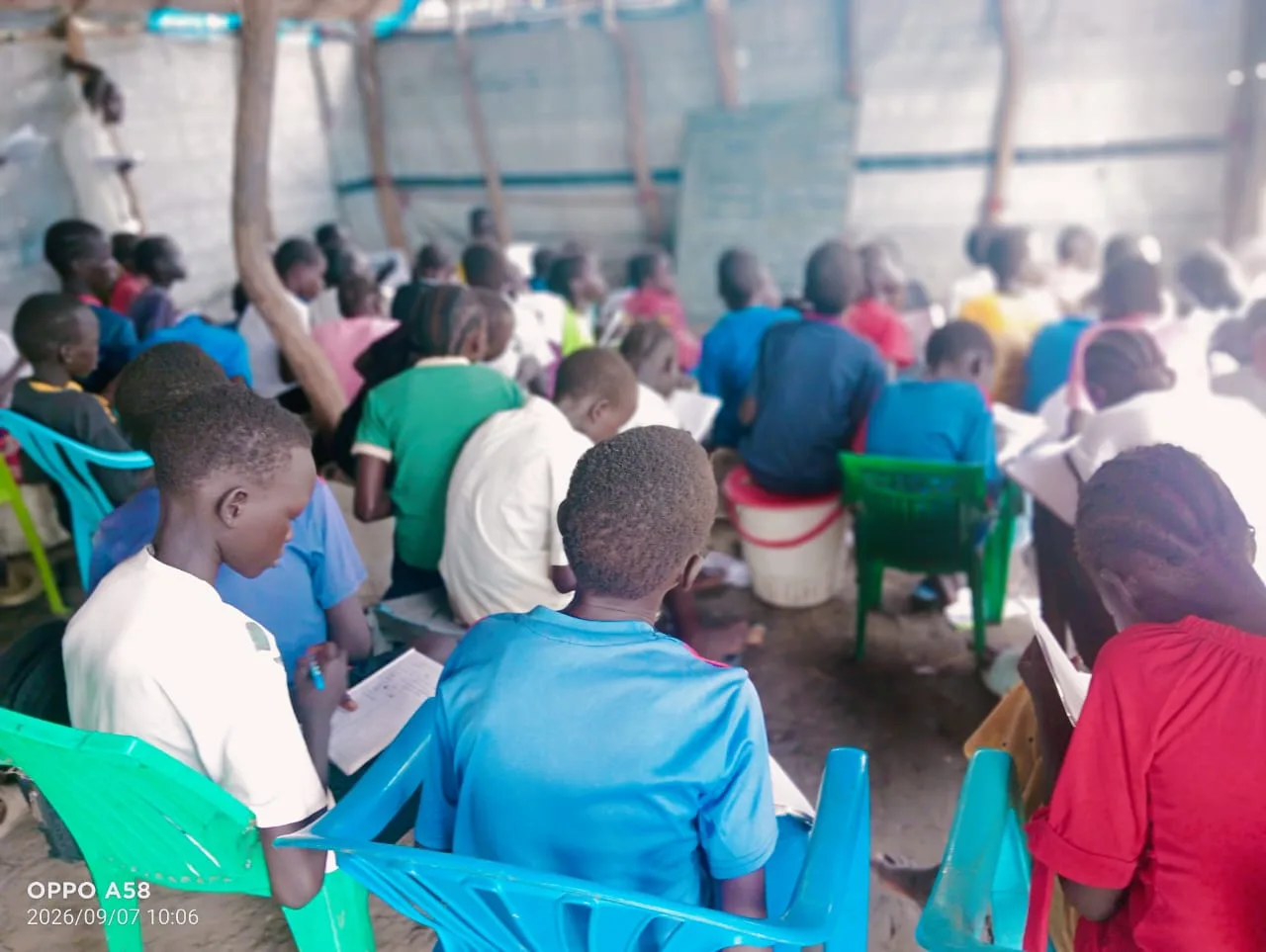
Solution 2: Support Local Educational Partners and Community-Based Initiatives
Outside organizations can help, but local leaders understand their communities best. The most effective solutions come from within.
Related: Community Based Education Initiatives in South Sudan: A Guide
South Sudan’s educators, parents, and local leaders know exactly what their schools need. When you invest in community-based initiatives and support local partners, you’re building sustainability. You’re creating systems that last because they’re rooted in the community itself.
This means backing local teacher training programs, supporting parent-led learning groups, and trusting the people on the ground to lead the charge. It’s not about outsiders coming in with all the answers. It’s about empowering the people already there to be part of the solution.
Solution 3: Protect School Infrastructure from Attack

A school is only useful if it’s standing and safe. Conflict in South Sudan has damaged countless educational facilities. Schools get destroyed. Teachers fear for their safety. Children won’t come to class if they’re afraid.
Protecting educational infrastructure means securing schools from violence and ensuring they remain safe spaces for learning. This includes physical security, working with local authorities, and creating safe corridors so kids can get to school without danger.
When schools are protected, teachers feel confident enough to show up. When teachers show up consistently, students actually attend. It sounds simple, but safety is the foundation that everything else builds on.
Solution 4: Develop Teacher Retention Programs
Hiring new teachers is expensive and time-consuming. Keeping the ones you have makes way more sense. Teacher retention programs focus on making the job sustainable so educators don’t burn out and leave.
This includes fair pay, professional development, mental health support, and working conditions that don’t crush people’s spirits. When teachers feel valued and supported, they stay in the classroom longer.
Retention programs also create mentorship systems where experienced teachers help newer ones. This builds a stronger teaching force overall. The Maale Foundation focuses on developing teachers because we understand that a great educator can transform an entire generation of students.
Solution 5: Rebuild and Repair War-Damaged School Facilities
Physical classrooms matter. You can’t teach effectively in a building with a collapsed roof or no walls. Rebuilding damaged schools sends a powerful message: we believe in your future.
Reconstruction projects create jobs, employ local workers, and restore the infrastructure that education depends on. When a community sees their school being rebuilt, it also rebuilds hope.
This isn’t just about putting walls back up. It’s about creating dignified learning spaces where students want to be and teachers want to teach. A well-maintained school with basic furniture, a roof that doesn’t leak, and safe bathrooms changes everything.
Solution 6: Create Incentive Systems to Stop Brain Drain

Your best teachers are the ones most likely to leave. They have options. They could go to a neighboring country and earn triple the money. So why would they stay?
Incentive systems give them reasons to stay. Better salaries are part of it, but so are career advancement opportunities, respect, and the chance to make a real difference. Some incentive programs include housing support, loan forgiveness, or professional development scholarships.
When a talented teacher sees a real future in South Sudan’s education system, they’re more likely to stick around. This keeps experienced educators in classrooms where their skills matter most.
Related: Best Teacher Professional Development for South Sudan Schools
Solution 7: Establish Safety Mechanisms to Keep Children in School
Teachers aren’t the only ones leaving. Kids drop out too, especially in conflict zones. They stop coming because they’re hungry, they’re afraid, or they have to work to help their families survive.
Real solutions address these barriers. Meal programs at school, safe transportation, trauma counseling, and flexible schedules help keep children in classrooms. When you remove the obstacles between kids and education, enrollment stays steady.
This also takes pressure off teachers. Instead of managing half-empty classrooms or dealing with traumatized students alone, they work in stable environments where learning can actually happen.
Related: Best Inspirational Quotes for the Classroom That Actually Work
How These Solutions Work Together
None of these fixes works in isolation. A well-paid teacher won’t show up to a school that’s under attack. A protected school building sits empty if there’s no one to teach. Real change happens when you tackle all of these pieces at once.
The good news? These solutions are all within reach. They require commitment, funding, and patience. They require people willing to invest in South Sudan’s future. If you want to be part of making this happen, The Maale Foundation works directly with communities to build sustainable education systems that create opportunities for vulnerable children and youth.
Why Do Teachers Leave South Sudan?
Teachers leave because they’re underpaid, overworked, and often teach in unsafe conditions. They leave because they see better opportunities elsewhere. They leave because the education system itself is broken. Fixing the teacher shortage means fixing the reasons people leave in the first place.
How Long Does It Take to Fix a Teacher Shortage?
There’s no quick fix. Building a strong education system takes years of consistent effort, funding, and community involvement. But change does happen. When you invest in teacher development, improve school conditions, and support local leaders, you see progress within 2-3 years. Real transformation takes longer, but it’s absolutely possible.
Can Communities Solve This on Their Own?
Local communities have incredible resilience and know what they need. But they can’t do it completely alone. They need resources, partnerships, and outside support to fill gaps they can’t close themselves. The best approach combines local leadership with meaningful external support.
What Role Do Scholarships Play in Solving Teacher Shortages?
Scholarships help by creating pathways for young people to become teachers in the first place. When you support teacher training scholarships, you’re building the next generation of educators. This adds supply to a system that desperately needs more qualified teachers. It’s a long-term solution that plants seeds for future classrooms.